Azelis inaugurates state-of-the-art Regional Innovation Center for Food & Nutrition in Singapore

SINGAPORE, Jun 1, 2022 – (ACN Newswire) – Azelis, a leading innovation service provider in the specialty chemicals and food ingredients industry, announces the opening of its Regional Innovation Center (RIC) for Food & Nutrition (F&N) in Singapore, further demonstrating the Group's commitment to continuously invest in its innovation capabilities.


The RIC will generate a wealth of possibilities for food innovation towards healthier and tastier solutions through pioneering, ready-to-use formulations with advanced, sustainable ingredients. Functioning as an innovation catalyst for the F&N ecosystem in Asia Pacific, the RIC is an essential milestone in Azelis' growth strategy, strengthening the Group's position as a leading provider of innovative solutions.

In addition to the RIC, Azelis' five F&N application laboratories across Asia Pacific form a regional innovation network that brings together the technical expertise and formulation capabilities of the local and regional teams for greater synergy. This setup allows Azelis to serve the F&N market more efficiently, realize advanced ingredient synergies and develop ground-breaking formulations and sustainable solutions that will be cascaded across the region.

Vikash Raj, Asia Pacific Innovation Director, remarks: "The RIC allows us to support our customers in their projects by developing innovative solutions for all stages of the formulation process from concept to final product, across industry applications in Bakery, Beverage, Confectionery, Dairy and Savory. Focusing on innovation in new products and applications is our objective, and thanks to our comprehensive lateral value chain, we have access to sustainable building blocks for food and beverage formulations. Our vision for the RIC is to positively impact our sustainability, health, and wellness ambitions by creating pioneering formulations that address nutrition and health challenges and bring healthy solutions to the mainstream market."

Laurent Nataf, CEO & President Asia Pacific, comments: "With more than 20 laboratories in the region covering our key market segments, we have significantly invested in our innovation capabilities across Asia Pacific to ensure we deliver on our brand promise, 'Innovation through formulation'. Our regional innovation network builds on our formulation expertise and technical capabilities by encouraging greater collaboration across our teams to strengthen cross-country synergies, increase efficiency, and ensure consistent formulation success for our customers. We look forward to further strengthening our partnerships with our customers and principals by allowing them to leverage the strength of our ever-growing innovation network capabilities, remaining their innovation partner of choice."

To find out more, watch a video introducing the Regional Innovation Center in Singapore. https://youtu.be/RDJ4OhQcDh8

Contact information
Azelis
Lillian Ying
Asia Pacific Corporate Communications Manager
T: +65 9855 8818
E: lillian.ying@azelis.com

About Azelis

Azelis is a leading global innovation service provider in the specialty chemical and food ingredients industry present in over 50 countries across the globe with over 3,000 employees. Our knowledgeable teams of industry, market and technical experts are each dedicated to a specific market within Life Sciences and Industrial Chemicals. We offer a lateral value chain of complementary products to more than 51,000 customers, supported by ~2,300 principal relationships, creating a turnover of EUR2.8 billion (2021). Azelis Group NV is listed on Euronext Brussels under ticker AZE.

Across our extensive network of more than 60 application laboratories, our award-winning staff help develop formulations and provide technical guidance throughout the customers' product development process. We combine a global market reach with a local footprint to offer a reliable, integrated and unique digital service to local customers and attractive business opportunities to principals. EcoVadis Platinum rated, Azelis is a leader in sustainability. We believe in building and nurturing solid, honest and transparent relationships with our people and partners.

Impact through ideas. Innovation through formulation.

http://www.azelis.com/

Copyright 2022 ACN Newswire. All rights reserved. http://www.acnnewswire.com

The APCO Bone Health QI Tool Kit – Putting a brake on fractures in the world’s most populous & fastest ageing region

NEW DELHI, May 24 – (ACN Newswire) – An osteoporotic fracture occurs every three seconds worldwide. With more than 50 per cent of the world’s hip fractures expected to occur in the Asia Pacific (AP) region over the next two decades, the Asia Pacific Consortium on Osteoporosis (APCO) has launched a Bone Health QI Tool Kit today to promote quality improvement (QI) of osteoporosis care.

This comprehensive tool kit, that encompasses multiple components in the screening, diagnosis and management of osteoporosis, is a world-first of its kind, said Dr Manju Chandran, APCO Chairperson and Director of the Osteoporosis and Bone Metabolism Unit, Singapore General Hospital, Singapore.

“Previous audits have focused on just a single aspect of osteoporosis care, namely the identification and appropriate management of osteoporotic fragility fractures. A perfect storm of a rise in osteoporosis among Asia-Pacific populations is expected to occur due to the region’s rapidly ageing population, mounting urbanisation, and subsequent increase in sedentary lifestyles,”2 Dr Chandran said.

“A recent analysis of nine Asian countries and regions reveals the number of hip fractures will more than double from 1.13 million in 2018, to 2.54 million in 2050,3 primarily due to changing population demographics.”

The APCO Bone Health QI Tool Kit is based on seven selected standards from The APCO Framework that apply to the clinical setting. Implementation of the QI will be through iterative Plan-Do-Study-Act (PDSA) cycles.

“Once the audits are completed, healthcare professionals (HCPs) and medical centres can commence implementing changes to their clinical practice. APCO is in the process of engaging QI experts to help train APCO members to perform such projects in their individual medical centres and practices,” said Dr Chandran.

The tool kit will enable these auditing exercises to be undertaken to establish levels of adherence with those standards of care within The APCO Framework that can be implemented directly into clinical practice.4

Between 2025 and 2050, the population of India is projected to grow from 1.4 billion, to 1.88 billion, with those aged over 50 years expected to constitute 33 per cent of the population by 2050.5 The number of hip fractures in India is anticipated to more than double, from approximately 332,000 in 2018, to 792,000 in 2050,5 noting hip fractures occur a decade earlier in Indian versus Western populations.3 The projected direct cost of hip fractures is expected to increase from USD 256 million (INR 19,839,618,560), to USD 612 million (INR 47,471,309,388) between 2018 and 2050.3

“The likelihood of successfully creating change to stem this bone health crisis will rest largely upon the efforts of HCPs to engage their peers to work towards shared goals. Articulating the benefits of the APCO Bone Health QI activity can help promote engagement and cooperation,” said Professor Ambrish Mithal, APCO Committee member, Endocrinologist, and Chairperson and Head of Endocrinology and Diabetes, Max Healthcare – Pan-Max, Saket, New Delhi, India.

“The critical factors to success include having a supportive organisational culture, good design and planning, and follow through on results, ensuring the data collection is meaningful and achievable. Data collected through the audit should be used to benchmark practice against the standards recommended by The APCO Framework. This will show stakeholders that the audit was worth the effort, and that it contributed to tangible change,” Prof Mithal said.

The APCO audit focuses on investigating the patient pathway, identifying the gaps or missed opportunities for patients at risk, and then the PDSA activity is used to improve quality of care and to formulate recommendations.

“It is hoped that lessons from implementing these clinical standards at the institutional level will be key to achieving change at the national level, through the development, or revision of national guidelines, and policy change,” said Dr Philippe Halbout, CEO, International Osteoporosis Foundation, Switzerland.

“These coordinated systems of care aim to identify, treat and monitor patients with osteoporosis. Timely intervention can reduce fractures by up to 50 per cent, deliver substantial financial savings, and ultimately, save lives.”

Osteoporosis is greatly under-diagnosed and under-treated in Asia, even among those at highest risk who have already fractured.6

The APCO Bone Health QI Tool Kit focuses on closing this gap by:

* Understanding the baseline variables and current state of osteoporosis care in any given institution or health care practice.
* Enabling benchmarking clinical practice against The APCO Framework, evidence-based clinical practice guidelines or established protocols for the chosen standard of care.
* Using the findings to then improve the quality of care through iterative PDSA cycles.
* Using the lessons learned from implementation of the APCO Clinical Standard at an institutional level, to build momentum and work towards inclusion of the quality improvement/clinical standard in national guidelines, and lobbying for funding and policy change, as appropriate.

Practically, PDSA cycles are a quality improvement strategy that tests a change on a small scale. The PDSA builds on the learning from test cycles in a structured way before implementation on a wider scale.7

The PDSA cycles are iterative. Each cycle involves the following four stages:
1. Plan — developing a plan to test the change;
2. Do — carrying out the test;
3. Study — observing and learning; and
4. Act — planning the next change cycle or full implementation.

“Assessment of adherence to pharmacological treatments that are recommended in new or revised osteoporosis clinical guidelines should be undertaken on an ongoing basis, after initiation of therapy, and appropriate corrective action can be taken if treated individuals have become non-adherent,” Dr Chandran advised.

Every patient living with osteoporosis and/or a fragility fracture passes through several points on their journey from diagnosis, through to treatment and follow-up. The interface of this pathway with other entities, for example, referrals to other care givers or departments, post- discharge follow-ups, are also important considerations in the quality of care received.

“The launch of the APCO Bone Health QI Tool Kit demonstrates the organisation’s ongoing commitment to achieving better care for patients with greater consistency in national and regional clinical practice guidelines for the screening, diagnosis, and management of osteoporosis in the Asia Pacific,” said Dr Halbout.

To learn more about the APCO Bone Health QI Tool Kit, visit www.apcobonehealth.org or follow APCO on LinkedIn: asia-pacific-consortium-on-osteoporosis.

About the APCO Bone Health QI Tool Kit

APCO developed the Bone Health QI Tool Kit to enable healthcare providers worldwide, to benchmark their practices against the clinical standards proposed in The APCO Framework. The tool kit provides guidance on undertaking and implementing quality improvement (QI) projects centred around seven key clinical standards for the screening, diagnosis, and management of osteoporosis.

With the key objective of promoting QI of osteoporosis care, the APCO audit focuses on investigating the patient pathway, identifying the gaps, or missed opportunities for patients at risk, and formulating recommendations to address these gaps. Implementation of the QI will be through Plan-Do-Study-Act (PDSA) cycles – a quality improvement strategy that tests a change on a small scale, before implementation on a wider scale. The tool kit offers practical tips on conducting an audit, that generates meaningful data, that can lead ultimately to implementing changes in clinical practices.

About APCO

The Asia Pacific Consortium on Osteoporosis (APCO) comprises 46 osteoporosis experts from 20 countries and regions, charged with developing tangible solutions to the substantive challenges involving osteoporosis management and fracture prevention in this most populated and fastest growing part of the world. APCO’s mission is to engage with relevant stakeholders, including healthcare providers, policy makers and the public, to help develop and implement country and region-specific programs for the prevention and treatment of osteoporosis, and its complication of fragility fractures, in the Asia Pacific. http://www.apcobonehealth.org

About osteoporosis in the Asia Pacific region

* Osteoporosis – the most common disease – is characterised by porous and brittle bones whose density and quality are poor, resulting in structural skeletal deterioration.1
* The Asia Pacific is home to 4.5 billion people with vastly different healthcare systems.8
* In most developing countries of the Asia Pacific, especially in rural areas, DXA technology is not widely available.9
* Low levels of vitamin D are observed region-wide in the Asia Pacific. This can be attributed to several causal factors, including genetic, lifestyle, seasonal and geographical influences.10
* More than 68 per cent of the countries in the IOF’s Asia Pacific’s Regional Audit now have populations that are over 50 per cent urban, and the resulting reduction in sunlight exposure due to pollution and overcrowding, is affecting vitamin D levels, which contribute to osteoporosis risk.10
* Nearly all Asian countries fall far below The Food and Agriculture Organization of the United Nations / World Health Organization (WHO) recommendations for calcium intake of between 1,000 and 1,300 mg/day. The calcium intake for Malaysia, the Philippines and India remains below 500 mg/day.10

DIGITAL MEDIA KIT : http://www.apcotoolkit.org

Asia Pacific Consortium on Osteoporosis (APCO)
secretariat@apcobonehealth.org

References
1. International Osteoporosis Foundation (IOF). Capture the fracture. [Oct, 2021]; https://www.capturethefracture.org/about.
2. Chandran M, et al., Development of the Asia Pacific Consortium on Osteoporosis (APCO) Framework: clinical standards of care for the screening, diagnosis, and management of osteoporosis in the Asia-Pacific region. Osteoporos Int., 2021. 32(7): p. 1249-1275.
3. Cheung, C.-L., et al., An updated hip fracture projection in Asia: The Asian Federation of Osteoporosis Societies study. Osteoporosis and sarcopenia, 2018. 4(1): p. 16-21.
4. Chandran, M., Ebeling, P., Mitchell, P., Nguyen, T., Harmonization of Osteoporosis Guidelines: Paving the Way for Disrupting the Status Quo in Osteoporosis Management in the Asia Pacific. JBMR, 2022.
5. Watts, J., Ambimanyi-Ochom, J, & Sander K, Osteoporosis costing all Australians: A new burden of disease analysis 2012-2022. 2013, Osteoporosis Australia.
6. International Osteoporosis Foundation (IOF). Key statistics for Asia. [cited October 2021]; https://www.osteoporosis.foundation/facts-statistics/key-statistic-for-asia.
7. NHS England and NHS Improvement. Plan, Do, Study, Act (PDSA) cycles and the model for improvement. https://www.england.nhs.uk/wp-content/uploads/2022/01/qsir-pdsa-cycles-model-for-improvement.pdf.
8. Wang, P., et al., Estimation of Prevalence of Osteoporosis Using OSTA and Its Correlation with Sociodemographic Factors, Disability and Comorbidities. International journal of environmental research and public health, 2019. 16(13): p. 2338.
9. Chandran, M., et al., IQ driving QI: the Asia Pacific Consortium on Osteoporosis (APCO): an innovative and collaborative initiative to improve osteoporosis care in the Asia Pacific. Osteoporos Int, 2020. 31(11): p. 2077-2081.
10. International Osteoporosis Foundation (IOF). The Asia-Pacific Regional Audit. 2013 [cited May 2022]; https://www.osteoporosis.foundation/sites/iofbonehealth/files/2019-06/2013_Asia_Pacific_Audit_English.pdf.


Copyright 2022 ACN Newswire. All rights reserved. http://www.acnnewswire.com

The APCO Bone Health QI Tool Kit – Putting a brake on fractures in the world’s most populous & fastest ageing region

SELANGOR, MALAYSIA, May 24 – (ACN Newswire) – An osteoporotic fracture occurs every three seconds worldwide.1 With more than 50 per cent of the world’s hip fractures expected to occur in the Asia Pacific (AP) region over the next two decades, the Asia Pacific Consortium on Osteoporosis (APCO) has launched a Bone Health QI Tool Kit today (May 24, 2022), to promote quality improvement (QI) of osteoporosis care.

This comprehensive tool kit, that encompasses multiple components in the screening, diagnosis and management of osteoporosis, is a world-first of its kind, said Dr Manju Chandran, APCO Chairperson and Director of the Osteoporosis and Bone Metabolism Unit, Singapore General Hospital, Singapore.

“Previous audits have focused on just a single aspect of osteoporosis care, namely the identification and appropriate management of osteoporotic fragility fractures. A perfect storm of a rise in osteoporosis among Asia-Pacific populations is expected to occur due to the region’s rapidly ageing population, mounting urbanisation, and subsequent increase in sedentary lifestyles,”2 Dr Chandran said.

“A recent analysis of nine Asian countries and regions reveals the number of hip fractures will more than double from 1.13 million in 2018, to 2.54 million in 2050,3 primarily due to changing population demographics.”

The APCO Bone Health QI Tool Kit is based on seven selected standards from The APCO Framework that apply to the clinical setting. Implementation of the QI will be through iterative Plan-Do-Study-Act (PDSA) cycles.

“Once the audits are completed, healthcare professionals (HCPs) and medical centres can commence implementing changes to their clinical practice. APCO is in the process of engaging QI experts to help train APCO members to perform such projects in their individual medical centres and practices,” said Dr Chandran.

The tool kit will enable these auditing exercises to be undertaken to establish levels of adherence with those standards of care within The APCO Framework that can be implemented directly into clinical practice.4

Advancing age, reduced body weight, and minimal physical activity significantly predicts osteoporosis in men, while older age, low body weight, and low-income status significantly predicts osteoporosis in women 5, according to Dr Fen Lee Hew, APCO Committee member, Consultant Physician and Endocrinologist, Puchong Medical Specialist Centre and Subang Jaya Medical Centre (SJMC), Malaysia.

“Concerningly, the Malaysian population is ageing rapidly. Those aged 50 years and over are expected to increase from 5.3 million in 2013, to 13.9 million in 2050.5 Furthermore, Malaysia is expected to experience a 3.55-fold increase in hip fracture incidence by 2050, compared to 2018.5

“The likelihood of successfully creating change to stem this bone health crisis will rest largely upon the efforts of HCPs to engage their peers to work towards shared goals. Articulating the benefits of the APCO Bone Health QI activity can help promote engagement and cooperation.

“The critical factors to success include having a supportive organisational culture, good design and planning, and follow through on results, ensuring the data collection is meaningful and achievable,” Dr Hew said.

“Data collected through the audit should be used to benchmark practice against the standards recommended by The APCO Framework. This will show stakeholders that the audit was worth the effort, and that it contributed to tangible change.”

“It is hoped that lessons from implementing these clinical standards at the institutional level will be key to achieving change at the national level, through the development, or revision of national guidelines, and policy change,” said Dr Philippe Halbout, CEO, International Osteoporosis Foundation, Switzerland.

“These coordinated systems of care aim to identify, treat and monitor patients with osteoporosis. Timely intervention can reduce fractures by up to 50 per cent, deliver substantial financial savings, and ultimately, save lives.”

Osteoporosis is greatly under-diagnosed and under-treated in Asia, even among those at highest risk who have already fractured.6

The APCO Bone Health QI Tool Kit focuses on closing this gap by:

* Understanding the baseline variables and current state of osteoporosis care in any given institution or health care practice.
* Enabling benchmarking clinical practice against The APCO Framework, evidence-based clinical practice guidelines or established protocols for the chosen standard of care.
* Using the findings to then improve the quality of care through iterative PDSA cycles.
* Using the lessons learned from implementation of the APCO Clinical Standard at an institutional level, to build momentum and work towards inclusion of the quality improvement/clinical standard in national guidelines, and lobbying for funding and policy change, as appropriate.

Practically, PDSA cycles are a quality improvement strategy that tests a change on a small scale. The PDSA builds on the learning from test cycles in a structured way before implementation on a wider scale.7

The PDSA cycles are iterative. Each cycle involves the following four stages:
1. Plan — developing a plan to test the change;
2. Do — carrying out the test;
3. Study — observing and learning; and
4. Act — planning the next change cycle or full implementation.

“Assessment of adherence to pharmacological treatments that are recommended in new or revised osteoporosis clinical guidelines should be undertaken on an ongoing basis, after initiation of therapy, and appropriate corrective action can be taken if treated individuals have become non-adherent,” Dr Chandran advised.

Every patient living with osteoporosis and/or a fragility fracture passes through several points on their journey from diagnosis, through to treatment and follow-up. The interface of this pathway with other entities, for example, referrals to other care givers or departments, post- discharge follow-ups, are also important considerations in the quality of care received.

“The launch of the APCO Bone Health QI Tool Kit demonstrates the organisation’s ongoing commitment to achieving better care for patients with greater consistency in national and regional clinical practice guidelines for the screening, diagnosis, and management of osteoporosis in the Asia Pacific,” said Dr Halbout.

To learn more about the APCO Bone Health QI Tool Kit, visit www.apcobonehealth.org or follow APCO on LinkedIn: asia-pacific-consortium-on-osteoporosis.

About the APCO Bone Health QI Tool Kit

APCO developed the Bone Health QI Tool Kit to enable healthcare providers worldwide, to benchmark their practices against the clinical standards proposed in The APCO Framework. The tool kit provides guidance on undertaking and implementing quality improvement (QI) projects centred around seven key clinical standards for the screening, diagnosis, and management of osteoporosis.

With the key objective of promoting QI of osteoporosis care, the APCO audit focuses on investigating the patient pathway, identifying the gaps, or missed opportunities for patients at risk, and formulating recommendations to address these gaps. Implementation of the QI will be through Plan-Do-Study-Act (PDSA) cycles – a quality improvement strategy that tests a change on a small scale, before implementation on a wider scale. The tool kit offers practical tips on conducting an audit, that generates meaningful data, that can lead ultimately to implementing changes in clinical practices.

About APCO

The Asia Pacific Consortium on Osteoporosis (APCO) comprises 46 osteoporosis experts from 20 countries and regions, charged with developing tangible solutions to the substantive challenges involving osteoporosis management and fracture prevention in this most populated and fastest growing part of the world. APCO’s mission is to engage with relevant stakeholders, including healthcare providers, policy makers and the public, to help develop and implement country and region-specific programs for the prevention and treatment of osteoporosis, and its complication of fragility fractures, in the Asia Pacific. http://www.apcobonehealth.org

About osteoporosis in the Asia Pacific region

* Osteoporosis – the most common disease – is characterised by porous and brittle bones whose density and quality are poor, resulting in structural skeletal deterioration.1
* The Asia Pacific is home to 4.5 billion people with vastly different healthcare systems.8
* In most developing countries of the Asia Pacific, especially in rural areas, DXA technology is not widely available.9
* Low levels of vitamin D are observed region-wide in the Asia Pacific. This can be attributed to several causal factors, including genetic, lifestyle, seasonal and geographical influences.10
* More than 68 per cent of the countries in the IOF’s Asia Pacific’s Regional Audit now have populations that are over 50 per cent urban, and the resulting reduction in sunlight exposure due to pollution and overcrowding, is affecting vitamin D levels, which contribute to osteoporosis risk.10
* Nearly all Asian countries fall far below The Food and Agriculture Organization of the United Nations / World Health Organization (WHO) recommendations for calcium intake of between 1,000 and 1,300 mg/day. The calcium intake for Malaysia, the Philippines and India remains below 500 mg/day.10

DIGITAL MEDIA KIT : http://www.apcotoolkit.org

Asia Pacific Consortium on Osteoporosis (APCO)
secretariat@apcobonehealth.org

References
1. International Osteoporosis Foundation (IOF). Capture the fracture. [Oct, 2021]; Available from: https://www.capturethefracture.org/about
2. Chandran M, et al., Development of the Asia Pacific Consortium on Osteoporosis (APCO) Framework: clinical standards of care for the screening, diagnosis, and management of osteoporosis in the Asia-Pacific region. Osteoporos Int., 2021. 32(7): p. 1249-1275.
3. Cheung, C.-L., et al., An updated hip fracture projection in Asia: The Asian Federation of Osteoporosis Societies study. Osteoporosis and sarcopenia, 2018. 4(1): p. 16-21.
4. Chandran, M., Ebeling, P., Mitchell, P., Nguyen, T., Harmonization of Osteoporosis Guidelines: Paving the Way for Disrupting the Status Quo in Osteoporosis Management in the Asia Pacific. JBMR, 2022.
5. Watts, J., Ambimanyi-Ochom, J, & Sander K, Osteoporosis costing all Australians: A new burden of disease analysis 2012-2022. 2013, Osteoporosis Australia.
6. International Osteoporosis Foundation (IOF). Key statistics for Asia. [cited October 2021]; https://www.osteoporosis.foundation/facts-statistics/key-statistic-for-asia
7. NHS England and NHS Improvement. Plan, Do, Study, Act (PDSA) cycles and the model for improvement. https://www.england.nhs.uk/wp-content/uploads/2022/01/qsir-pdsa-cycles-model-for-improvement.pdf
8. Wang, P., et al., Estimation of Prevalence of Osteoporosis Using OSTA and Its Correlation with Sociodemographic Factors, Disability and Comorbidities. International journal of environmental research and public health, 2019. 16(13): p. 2338.
9. Chandran, M., et al., IQ driving QI: the Asia Pacific Consortium on Osteoporosis (APCO): an innovative and collaborative initiative to improve osteoporosis care in the Asia Pacific. Osteoporos Int, 2020. 31(11): p. 2077-2081.
10. International Osteoporosis Foundation (IOF). The Asia-Pacific Regional Audit. 2013 [cited May 2022]; https://www.osteoporosis.foundation/sites/iofbonehealth/files/2019-06/2013_Asia_Pacific_Audit_English.pdf


Copyright 2022 ACN Newswire. All rights reserved. http://www.acnnewswire.com

The APCO Bone Health QI Tool Kit – Putting a brake on fractures in the world’s most populous & fastest ageing region

8TAIPEI, May 24 – (ACN Newswire) – An osteoporotic fracture occurs every three seconds worldwide.1 With more than 50 per cent of the world’s hip fractures expected to occur in the Asia Pacific (AP) region over the next two decades, the Asia Pacific Consortium on Osteoporosis (APCO) has launched a Bone Health QI Tool Kit today (May 24, 2022), to promote quality improvement (QI) of osteoporosis care.

This comprehensive tool kit, that encompasses multiple components in the screening, diagnosis and management of osteoporosis, is a world-first of its kind, said Dr Manju Chandran, APCO Chairperson and Director of the Osteoporosis and Bone Metabolism Unit, Singapore General Hospital, Singapore.

“Previous audits have focused on just a single aspect of osteoporosis care, namely the identification and appropriate management of osteoporotic fragility fractures. A perfect storm of a rise in osteoporosis among Asia-Pacific populations is expected to occur due to the region’s rapidly ageing population, mounting urbanisation, and subsequent increase in sedentary lifestyles,”2 Dr Chandran said.

“A recent analysis of nine Asian countries and regions reveals the number of hip fractures will more than double from 1.13 million in 2018, to 2.54 million in 2050,3 primarily due to changing population demographics.”

The APCO Bone Health QI Tool Kit is based on seven selected standards from The APCO Framework that apply to the clinical setting. Implementation of the QI will be through iterative Plan-Do-Study-Act (PDSA) cycles.

“Once the audits are completed, healthcare professionals (HCPs) and medical centres can commence implementing changes to their clinical practice. APCO is in the process of engaging QI experts to help train APCO members to perform such projects in their individual medical centres and practices,” said Dr Chandran.

The tool kit will enable these auditing exercises to be undertaken to establish levels of adherence with those standards of care within The APCO Framework that can be implemented directly into clinical practice.4

“Given the current increasing incidence of osteoporosis amongst our population, our country now has the highest prevalence of hip fracture of any country in Asia, which is also higher than the world’s average,”6 said Professor Derrick Chan, APCO Committee member and Director, Department of Geriatrics and Gerontology, National Taiwan University Hospital (NTUH), Chinese Taipei.

“The likelihood of successfully creating change to stem this bone health crisis will rest largely upon the efforts of HCPs to engage their peers to work towards shared goals. Articulating the benefits of the APCO Bone Health QI activity can help promote engagement and cooperation.

“The critical factors to success include having a supportive organisational culture, good design and planning, and follow through on results, ensuring the data collection is meaningful and achievable,” Professor Chan said.

“Data collected through the audit should be used to benchmark practice against the standards recommended by The APCO Framework. This will show stakeholders that the audit was worth the effort, and that it contributed to tangible change.”

The APCO audit focuses on investigating the patient pathway, identifying the gaps or missed opportunities for patients at risk, and then the PDSA activity is used to improve quality of care and to formulate recommendations.

“It is hoped that lessons from implementing these clinical standards at the institutional level will be key to achieving change at the national level, through the development, or revision of national guidelines, and policy change,” said Dr Philippe Halbout, CEO, International Osteoporosis Foundation, Switzerland.

“These coordinated systems of care aim to identify, treat and monitor patients with osteoporosis. Timely intervention can reduce fractures by up to 50 per cent, deliver substantial financial savings, and ultimately, save lives.”

Osteoporosis is greatly under-diagnosed and under-treated in Asia, even among those at highest risk who have already fractured.6

The APCO Bone Health QI Tool Kit focuses on closing this gap by:

* Understanding the baseline variables and current state of osteoporosis care in any given institution or health care practice.
* Enabling benchmarking clinical practice against The APCO Framework, evidence-based clinical practice guidelines or established protocols for the chosen standard of care.
* Using the findings to then improve the quality of care through iterative PDSA cycles.
* Using the lessons learned from implementation of the APCO Clinical Standard at an institutional level, to build momentum and work towards inclusion of the quality improvement/clinical standard in national guidelines, and lobbying for funding and policy change, as appropriate.

Practically, PDSA cycles are a quality improvement strategy that tests a change on a small scale. The PDSA builds on the learning from test cycles in a structured way before implementation on a wider scale.7

The PDSA cycles are iterative. Each cycle involves the following four stages:
1. Plan — developing a plan to test the change;
2. Do — carrying out the test;
3. Study — observing and learning; and
4. Act — planning the next change cycle or full implementation.

“Assessment of adherence to pharmacological treatments that are recommended in new or revised osteoporosis clinical guidelines should be undertaken on an ongoing basis, after initiation of therapy, and appropriate corrective action can be taken if treated individuals have become non-adherent,” Dr Chandran advised.

Every patient living with osteoporosis and/or a fragility fracture passes through several points on their journey from diagnosis, through to treatment and follow-up. The interface of this pathway with other entities, for example, referrals to other care givers or departments, post- discharge follow-ups, are also important considerations in the quality of care received.

“The launch of the APCO Bone Health QI Tool Kit demonstrates the organisation’s ongoing commitment to achieving better care for patients with greater consistency in national and regional clinical practice guidelines for the screening, diagnosis, and management of osteoporosis in the Asia Pacific,” said Dr Halbout.

To learn more about the APCO Bone Health QI Tool Kit, visit www.apcobonehealth.org or follow APCO on LinkedIn: asia-pacific-consortium-on-osteoporosis.

About the APCO Bone Health QI Tool Kit

APCO developed the Bone Health QI Tool Kit to enable healthcare providers worldwide, to benchmark their practices against the clinical standards proposed in The APCO Framework. The tool kit provides guidance on undertaking and implementing quality improvement (QI) projects centred around seven key clinical standards for the screening, diagnosis, and management of osteoporosis.

With the key objective of promoting QI of osteoporosis care, the APCO audit focuses on investigating the patient pathway, identifying the gaps, or missed opportunities for patients at risk, and formulating recommendations to address these gaps. Implementation of the QI will be through Plan-Do-Study-Act (PDSA) cycles – a quality improvement strategy that tests a change on a small scale, before implementation on a wider scale. The tool kit offers practical tips on conducting an audit, that generates meaningful data, that can lead ultimately to implementing changes in clinical practices.

About APCO

The Asia Pacific Consortium on Osteoporosis (APCO) comprises 46 osteoporosis experts from 20 countries and regions, charged with developing tangible solutions to the substantive challenges involving osteoporosis management and fracture prevention in this most populated and fastest growing part of the world. APCO’s mission is to engage with relevant stakeholders, including healthcare providers, policy makers and the public, to help develop and implement country and region-specific programs for the prevention and treatment of osteoporosis, and its complication of fragility fractures, in the Asia Pacific. http://www.apcobonehealth.org

About osteoporosis in the Asia Pacific region

* Osteoporosis – the most common disease – is characterised by porous and brittle bones whose density and quality are poor, resulting in structural skeletal deterioration.1
* The Asia Pacific is home to 4.5 billion people with vastly different healthcare systems.8
* In most developing countries of the Asia Pacific, especially in rural areas, DXA technology is not widely available.9
* Low levels of vitamin D are observed region-wide in the Asia Pacific. This can be attributed to several causal factors, including genetic, lifestyle, seasonal and geographical influences.10
* More than 68 per cent of the countries in the IOF’s Asia Pacific’s Regional Audit now have populations that are over 50 per cent urban, and the resulting reduction in sunlight exposure due to pollution and overcrowding, is affecting vitamin D levels, which contribute to osteoporosis risk.10
* Nearly all Asian countries fall far below The Food and Agriculture Organization of the United Nations / World Health Organization (WHO) recommendations for calcium intake of between 1,000 and 1,300 mg/day. The calcium intake for Malaysia, the Philippines and India remains below 500 mg/day.10

DIGITAL MEDIA KIT : http://www.apcotoolkit.org

Asia Pacific Consortium on Osteoporosis (APCO)
secretariat@apcobonehealth.org

References
1. International Osteoporosis Foundation (IOF). Capture the fracture. [Oct, 2021]; Available from: https://www.capturethefracture.org/about.
2. Chandran M, et al., Development of the Asia Pacific Consortium on Osteoporosis (APCO) Framework: clinical standards of care for the screening, diagnosis, and management of osteoporosis in the Asia-Pacific region. Osteoporos Int., 2021. 32(7): p. 1249-1275.
3. Cheung, C.-L., et al., An updated hip fracture projection in Asia: The Asian Federation of Osteoporosis Societies study. Osteoporosis and sarcopenia, 2018. 4(1): p. 16-21.
4. Chandran, M., Ebeling, P., Mitchell, P., Nguyen, T., Harmonization of Osteoporosis Guidelines: Paving the Way for Disrupting the Status Quo in Osteoporosis Management in the Asia Pacific. JBMR, 2022.
5. Watts, J., Ambimanyi-Ochom, J, & Sander K, Osteoporosis costing all Australians: A new burden of disease analysis 2012-2022. 2013, Osteoporosis Australia.
6. International Osteoporosis Foundation (IOF). Key statistics for Asia. [cited October 2021]; Available from: https://www.osteoporosis.foundation/facts-statistics/key-statistic-for-asia.
7. NHS England and NHS Improvement. Plan, Do, Study, Act (PDSA) cycles and the model for improvement. From: https://www.england.nhs.uk/wp-content/uploads/2022/01/qsir-pdsa-cycles-model-for-improvement.pdf.
8. Wang, P., et al., Estimation of Prevalence of Osteoporosis Using OSTA and Its Correlation with Sociodemographic Factors, Disability and Comorbidities. International journal of environmental research and public health, 2019. 16(13): p. 2338.
9. Chandran, M., et al., IQ driving QI: the Asia Pacific Consortium on Osteoporosis (APCO): an innovative and collaborative initiative to improve osteoporosis care in the Asia Pacific. Osteoporos Int, 2020. 31(11): p. 2077-2081.
10. International Osteoporosis Foundation (IOF). The Asia-Pacific Regional Audit. 2013 [cited May 2022]; Available from: https://www.osteoporosis.foundation/sites/iofbonehealth/files/2019-06/2013_Asia_Pacific_Audit_English.pdf.


Copyright 2022 ACN Newswire. All rights reserved. http://www.acnnewswire.com

The APCO Bone Health QI Tool Kit – Putting a brake on fractures in the world’s most populous & fastest ageing region

SINGAPORE, May 24, 2022 – (ACN Newswire) – An osteoporotic fracture occurs every three seconds worldwide.1 With more than 50 per cent of the world's hip fractures expected to occur in the Asia Pacific (AP) region over the next two decades, the Asia Pacific Consortium on Osteoporosis (APCO) has launched a Bone Health QI Tool Kit today (May 24, 2022), to promote quality improvement (QI) of osteoporosis care.


Asia Pacific Consortium on Osteoporosis (APCO) launched a comprehensive Bone Health QI Tool Kit today to promote quality improvement (QI) of osteoporosis care. (May 24, 2022)


This comprehensive tool kit, that encompasses multiple components in the screening, diagnosis and management of osteoporosis, is a world-first of its kind, said Dr Manju Chandran, APCO Chairperson and Director of the Osteoporosis and Bone Metabolism Unit, Singapore General Hospital, Singapore.

"Previous audits have focused on just a single aspect of osteoporosis care, namely the identification and appropriate management of osteoporotic fragility fractures. A perfect storm of a rise in osteoporosis among Asia-Pacific populations is expected to occur due to the region's rapidly ageing population, mounting urbanisation, and subsequent increase in sedentary lifestyles,"2 Dr Chandran said.

"A recent analysis of nine Asian countries and regions reveals the number of hip fractures will more than double from 1.13 million in 2018, to 2.54 million in 2050,3 primarily due to changing population demographics."

The APCO Bone Health QI Tool Kit is based on seven selected standards from The APCO Framework that apply to the clinical setting. Implementation of the QI will be through iterative Plan-Do-Study-Act (PDSA) cycles.

"Once the audits are completed, healthcare professionals (HCPs) and medical centres can commence implementing changes to their clinical practice. APCO is in the process of engaging QI experts to help train APCO members to perform such projects in their individual medical centres and practices," said Dr Chandran.

The tool kit will enable these auditing exercises to be undertaken to establish levels of adherence with those standards of care within The APCO Framework that can be implemented directly into clinical practice.4

This year in Australia, an estimated 6.2 million people aged over 50 years will be living with osteoporosis or osteopenia, representing a 31 per cent increase from 2012,5 said Dr Greg Lyubomirsky, CEO, Healthy Bones Australia.

"The likelihood of successfully creating change to stem this bone health crisis will rest largely upon the efforts of HCPs to engage their peers to work towards shared goals. Articulating the benefits of the APCO Bone Health QI activity can help promote engagement and cooperation.

"The critical factors to success include having a supportive organisational culture, good design and planning, and follow through on results, ensuring the data collection is meaningful and achievable," Dr Lyubomirsky said.

"Data collected through the audit should be used to benchmark practice against the standards recommended by The APCO Framework. This will show stakeholders that the audit was worth the effort, and that it contributed to tangible change."

The APCO audit focuses on investigating the patient pathway, identifying the gaps or missed opportunities for patients at risk, and then the PDSA activity is used to improve quality of care and to formulate recommendations.

"It is hoped that lessons from implementing these clinical standards at the institutional level will be key to achieving change at the national level, through the development, or revision of national guidelines, and policy change," said Dr Philippe Halbout, CEO, International Osteoporosis Foundation, Switzerland.

"These coordinated systems of care aim to identify, treat and monitor patients with osteoporosis. Timely intervention can reduce fractures by up to 50 per cent, deliver substantial financial savings, and ultimately, save lives."

Osteoporosis is greatly under-diagnosed and under-treated in Asia, even among those at highest risk who have already fractured.6

The APCO Bone Health QI Tool Kit focuses on closing this gap by:
— Understanding the baseline variables and current state of osteoporosis care in any given institution or health care practice.
— Enabling benchmarking clinical practice against The APCO Framework, evidence-based clinical practice guidelines or established protocols for the chosen standard of care.
— Using the findings to then improve the quality of care through iterative PDSA cycles.
— Using the lessons learned from implementation of the APCO Clinical Standard at an institutional level, to build momentum and work towards inclusion of the quality improvement/clinical standard in national guidelines, and lobbying for funding and policy change, as appropriate.

Practically, PDSA cycles are a quality improvement strategy that tests a change on a small scale. The PDSA builds on the learning from test cycles in a structured way before implementation on a wider scale.7

The PDSA cycles are iterative. Each cycle involves the following four stages:
1. Plan — developing a plan to test the change;
2. Do — carrying out the test;
3. Study — observing and learning; and
4. Act — planning the next change cycle or full implementation.

"Assessment of adherence to pharmacological treatments that are recommended in new or revised osteoporosis clinical guidelines should be undertaken on an ongoing basis, after initiation of therapy, and appropriate corrective action can be taken if treated individuals have become non-adherent," Dr Chandran advised.

Every patient living with osteoporosis and/or a fragility fracture passes through several points on their journey from diagnosis, through to treatment and follow-up. The interface of this pathway with other entities, for example, referrals to other care givers or departments, post- discharge follow-ups, are also important considerations in the quality of care received.

"The launch of the APCO Bone Health QI Tool Kit demonstrates the organisation's ongoing commitment to achieving better care for patients with greater consistency in national and regional clinical practice guidelines for the screening, diagnosis, and management of osteoporosis in the Asia Pacific," said Dr Halbout.

To learn more about the APCO Bone Health QI Tool Kit,
visit www.apcobonehealth.org or follow APCO on LinkedIn: asia-pacific-consortium-on-osteoporosis.

About the APCO Bone Health QI Tool Kit

APCO developed the Bone Health QI Tool Kit to enable healthcare providers worldwide, to benchmark their practices against the clinical standards proposed in The APCO Framework. The tool kit provides guidance on undertaking and implementing quality improvement (QI) projects centred around seven key clinical standards for the screening, diagnosis, and management of osteoporosis.

With the key objective of promoting QI of osteoporosis care, the APCO audit focuses on investigating the patient pathway, identifying the gaps, or missed opportunities for patients at risk, and formulating recommendations to address these gaps. Implementation of the QI will be through Plan-Do-Study-Act (PDSA) cycles – a quality improvement strategy that tests a change on a small scale, before implementation on a wider scale. The tool kit offers practical tips on conducting an audit, that generates meaningful data, that can lead ultimately to implementing changes in clinical practices.

About APCO

The Asia Pacific Consortium on Osteoporosis (APCO) comprises 46 osteoporosis experts from 20 countries and regions, charged with developing tangible solutions to the substantive challenges involving osteoporosis management and fracture prevention in this most populated and fastest growing part of the world. APCO's mission is to engage with relevant stakeholders, including healthcare providers, policy makers and the public, to help develop and implement country and region-specific programs for the prevention and treatment of osteoporosis, and its complication of fragility fractures, in the Asia Pacific. www.apcobonehealth.org

About osteoporosis in the Asia Pacific region

* Osteoporosis – the most common disease – is characterised by porous and brittle bones whose density and quality are poor, resulting in structural skeletal deterioration.1
* The Asia Pacific is home to 4.5 billion people with vastly different healthcare systems.8
* In most developing countries of the Asia Pacific, especially in rural areas, DXA technology is not widely available.9
* Low levels of vitamin D are observed region-wide in the Asia Pacific. This can be attributed to several causal factors, including genetic, lifestyle, seasonal and geographical influences.10
* More than 68 per cent of the countries in the IOF's Asia Pacific's Regional Audit now have populations that are over 50 per cent urban, and the resulting reduction in sunlight exposure due to pollution and overcrowding, is affecting vitamin D levels, which contribute to osteoporosis risk.10
* Nearly all Asian countries fall far below The Food and Agriculture Organization of the United Nations / World Health Organization (WHO) recommendations for calcium intake of between 1,000 and 1,300 mg/day. The calcium intake for Malaysia, the Philippines and India remains below 500 mg/day.10

DIGITAL MEDIA KIT: www.apcotoolkit.org

Asia Pacific Consortium on Osteoporosis (APCO)
secretariat@apcobonehealth.org

References
1. International Osteoporosis Foundation (IOF). Capture the fracture. [Oct, 2021]; Available from: https://www.capturethefracture.org/about.
2. Chandran M, et al., Development of the Asia Pacific Consortium on Osteoporosis (APCO) Framework: clinical standards of care for the screening, diagnosis, and management of osteoporosis in the Asia-Pacific region. Osteoporos Int., 2021. 32(7): p. 1249-1275.
3. Cheung, C.-L., et al., An updated hip fracture projection in Asia: The Asian Federation of Osteoporosis Societies study. Osteoporosis and sarcopenia, 2018. 4(1): p. 16-21.
4. Chandran, M., Ebeling, P., Mitchell, P., Nguyen, T., Harmonization of Osteoporosis Guidelines: Paving the Way for Disrupting the Status Quo in Osteoporosis Management in the Asia Pacific. JBMR, 2022.
5. Watts, J., Ambimanyi-Ochom, J, & Sander K, Osteoporosis costing all Australians: A new burden of disease analysis 2012-2022. 2013, Osteoporosis Australia.
6. International Osteoporosis Foundation (IOF). Key statistics for Asia. [cited October 2021]; Available from: https://www.osteoporosis.foundation/facts-statistics/key-statistic-for-asia.
7. NHS England and NHS Improvement. Plan, Do, Study, Act (PDSA) cycles and the model for improvement. From: https://www.england.nhs.uk/wp-content/uploads/2022/01/ qsir-pdsa-cycles-model-for-improvement.pdf.
8. Wang, P., et al., Estimation of Prevalence of Osteoporosis Using OSTA and Its Correlation with Sociodemographic Factors, Disability and Comorbidities. International Journal of Environmental Research and Public Health, 2019. 16(13): p. 2338.
9. Chandran, M., et al., IQ driving QI: the Asia Pacific Consortium on Osteoporosis (APCO): an innovative and collaborative initiative to improve osteoporosis care in the Asia Pacific. Osteoporos Int, 2020. 31(11): p. 2077-2081.
10. International Osteoporosis Foundation (IOF). The Asia-Pacific Regional Audit. 2013 [cited May 2022]; From: https://www.osteoporosis.foundation/sites/iofbonehealth/files/2019-06/ 2013_Asia_Pacific_Audit_English.pdf

Copyright 2022 ACN Newswire. All rights reserved. http://www.acnnewswire.com

Malaysian Genomics Resource Centre Berhad Posts 212% Increase in Revenue for 3Q FY2022

PETALING JAYA, Malaysia, May 23, 2022 – (ACN Newswire) – Malaysian Genomics Resource Centre Berhad, a leading genomics and biopharmaceutical specialist, today announced that the Group registered a 211.66% increase in revenue to RM5.08 million for the third quarter ended 31 March 2022 (3Q 2022) compared with revenue of RM1.63 million for the same quarter of the previous financial year.


Azri Azerai, Executive Director of Malaysian Genomics Resource Centre Berhad


For the quarter under review, the Group posted profit before tax (PBT) of RM1.96 million compared with PBT of RM0.2 million in 3Q 2021. Earnings per share (EPS) stood at 1.60 sen for 3Q 2022 compared with EPS of 0.19 sen in the corresponding quarter of the previous financial year.

For the nine months ended 31 March 2022 (9M FY2022), Malaysian Genomics registered a nearly 12-fold increase in revenue to RM22.03 million compared with RM1.85 million in 9M FY2021. The Group registered RM3.21 million in PBT for 9M FY2022 compared with a loss before tax of RM2.2 million in the corresponding period of the preceding financial year.

Encik Noor Azri bin Dato' Sri Noor Azerai (Azri Azerai), Executive Director of Malaysian Genomics, said, "The improvement in revenue for the quarter under review was due to the Group's diversification into biopharmaceutical services, primarily the distribution of immunotherapy and cell therapies, together with higher demand for genetic screening services following the reopening of the economy. COVID-19 vaccine administration and distribution contributed to our revenue growth as well."

"Our PBT was supported by higher margin from the Group's successful and ongoing penetration into the distribution of immunotherapy and cell therapies. We continue to seek partnerships and opportunities in which we can have a wider market reach for our services, while our laboratory's Current Good Manufacturing Practice approval will add value to our capabilities, including the production of CAR T-cells for solid cancers as well as the contract manufacturing of other types of cells for third-parties that will generate new revenue streams."

Malaysian Genomics Resource Centre Berhad: http://www.mgrc.com.my/
Malaysian Genomics Resource Centre Berhad: 0155 / [BURSA: MGRC] [RIC: MGRC:KL] [BBG: MGRC:MK]

Copyright 2022 ACN Newswire. All rights reserved. http://www.acnnewswire.com
EC Healthcare Acquires Health Screening Services Chain, Further Expand Customer Base and Consolidate the Health Screening Market

HONG KONG, May 23, 2022 – (ACN Newswire) – EC Healthcare (the "Company", which together with its subsidiaries is referred to as the "Group", SEHK stock code: 2138), the largest non-hospital medical group in Hong Kong*, is pleased to announce that the Group acquires 75% of the issued share capital of Mobile Medical International Holdings Limited and its subsidiaries (the "Target Group") for a total consideration of HK$41.25 million in cash.

The Target Group has a long-standing history in providing comprehensive health screening services in Hong Kong since 2002. As at the date of this announcement, the Target Group operates 4 health screening centres in Jordan, Causeway Bay, Tsuen Wan and Kwun Tong, a medical center in Jordan and a laboratory in Lai Chi Kok supporting the medical laboratory testing works. According to the unaudited financial information for the eight months ended 30 November 2021, the profit after tax of the Target Group was approximately HK$6.5 million.

Upon completion of the acquisition, the Group shall operate a total of 6 health screening services centers, covering New Territories, Kowloon and Hong Kong Island, thereby further consolidating the health screening market in Hong Kong. Leveraging on Target Group's wide loyal customers and its long-established reputation for premium services, the Group will effectively expand its customer base. Furthermore, the Group could potentially increase its revenue and achieve business synergies by triaging customers from the health screening business to other medical specialists as well as wellness services of the Group by way of referral and doctor appointments based on the needs of customers.

Mr. Levin Lee, Executive Director and Chief Finance Officer of EC Healthcare said, "Under the protracted COVID-19 pandemic situation, the public health consciousness increased, which drives the rising demand for wellness and health screening services. The growth prospect of the health screening market is promising. We believe that this acquisition will enable the Group to further consolidate the healthcare market and fortify our leadership in discretionary medical market. The Group is always committed to building up an enclosed healthcare ecosystem focused on satisfaction of customers in order to provide quality one-stop services to the customers."

About EC Healthcare
EC Healthcare is Hong Kong's largest non-hospital medical service provider*, leveraging its core businesses of preventive and precision medicine, and committed to developing medical artificial intelligence by integrating its multi-disciplinary medical services. The move, which is supported by the Group's high-end branding and quality customer services, is aimed at offering customers safe and effective healthcare and medical services with professionalism. The Group is a constituent stock of the Hang Seng Composite Index and the MSCI Hong Kong Small Cap Index.

The Group principally engages in the provision of one-stop medical and health care services in Greater China. The Group provides a full range of services and products under its well-known brands, including those of its one-stop aesthetic medical solutions provider DR REBORN which has ranked first in Hong Kong by sales for years, primary care clinics jointly established with Tencent Doctorwork, chiropractic services centre SPINE Central, New York Spine and Physiotherapy Center NYMG, health management centre re:HEALTH, a vaccine centre Hong Kong Professional Vaccine HKPV, a comprehensive dental centre UMH DENTAL CARE, a diagnostic and imaging centre HKAI, an oncology treatment centre reVIVE, a day procedure centre HKMED, a specialty clinic SPECIALISTS CENTRAL and NEW MEDICAL CENTER, obstetrics and gynaecology specialist ZENITH MEDICAL CENTER AND PRENATAL DIAGNOSIS CENTRE, specialists central, a paediatric center PRIME CARE, cardiology center HONG KONG INTERNATIONAL CARDIOLOGY CENTER, PathLab Medical Laboratories, a professional hair care center HAIR FOREST, Ophthalmology Center VIVID EYE and EC Veterinary Hospital and Imaging Center.

*According to independent research conducted by Frost and Sullivan in terms of revenue in 2019 and 2020

For further information, please contact:
iPR Ogilvy Limited
Callis Lau / Lorraine Luk / Charmaine Ip
Tel: (852) 2136 6952 / 2169 0467 / 3920 7649
Fax: (852) 3170 6606
Email: ech@iprogilvy.com


Copyright 2022 ACN Newswire. All rights reserved. http://www.acnnewswire.com

Launch of World-first Expert Bone Health Resource

MELBOURNE, May 23, 2022 – (ACN Newswire) – An osteoporotic fracture occurs every three seconds worldwide.(1) More than 50 per cent of the world's hip fractures are expected to occur in the Asia Pacific over the next two decades.(2) This is due to the region's rapidly aging population, mounting urbanisation, and subsequent increase in sedentary lifestyles.(2)


A digital media kit is available at www.apcotoolkit.org.

In an effort to stem this health crisis, the Asia Pacific Consortium on Osteoporosis (APCO) will launch a Bone Health QI Tool Kit for healthcare professionals on Tuesday, May 24, 2022, to promote quality improvement of osteoporosis care.

This world-first tool kit, encompassing multiple components in the screening, diagnosis, and management of osteoporosis, will help to promote multi-sector healthcare professional engagement and cooperation, to address this looming healthcare catastrophe.

– Osteoporosis – the most common disease – is characterised by porous and brittle bones, whose density and quality are poor, resulting in structural skeletal deterioration.(1)
– The disease is greatly under-diagnosed, and under-treated in Asia, even among those at highest risk who have already fractured.(3)
– The Asia Pacific is home to 4.5 billion people and vastly different healthcare systems.(4)
– Over the next two decades, a staggering 319 million people aged 50+ from the Asia Pacific are projected to be at high risk of osteoporotic fracture.(5)
– Moreover, the number of hip fractures are projected to more than double in Asia, from 1.13 million in 2018, to 2.54 million in 2050.(5)

References:
(1) International Osteoporosis Foundation (IOF). Capture the fracture. [Oct, 2021]; Available from: https://www.capturethefracture.org/about.
(2) Chandran M, et al., Development of the Asia Pacific Consortium on Osteoporosis (APCO) Framework: clinical standards of care for the screening, diagnosis, and management of osteoporosis in the Asia-Pacific region. Osteoporos Int., 2021. 32(7): p. 1249-1275.
(3) International Osteoporosis Foundation. Key statistics for Asia. [cited October 2022]; Available from: https://www.osteoporosis.foundation/facts-statistics/key-statistic-for-asia.
(4) Oden, A., et al., Burden of high fracture probability worldwide: secular increases 2010-2040. Osteoporos Int, 2015.26(9): p. 2243-8.
(5) Cheung, C.-L., et al., An updated hip fracture projection in Asia: The Asian Federation of Osteoporosis Societies study. Osteoporosis and sarcopenia, 2018. 4(1): p. 16-21.

For more information contact:
Kirsten Bruce
kirstenbruce@vivacommunications.com.au

Copyright 2022 ACN Newswire. All rights reserved. http://www.acnnewswire.com

Straumann Malaysia, part of The Straumann Group, a Leading Implantology Company, Intends to Provide 3,000 Dental Implant Packages to the Ministry of Health Malaysia as part of MoU

PUTRAJAYA, Malaysia, May 21, 2022 – (ACN Newswire) – Straumann Group Sdn. Bhd, the Malaysian subsidiary of Straumann Group, global leader in implantology and aesthetic-dentistry, (Straumann Malaysia) intends to provide 3,000 dental implant packages worth in excess of RM10 million, which will benefit the lower-income group (B40) and underprivileged Malaysians. This intention was communicated within the Memorandum of Understanding (MoU) announced by the Ministry of Health Malaysia (MOH).


Mr. Guillaume Daniellot, CEO of Straumann Group; Yang Berhormat Tuan Khairy Jamaluddin, Minister of Health Malaysia [L-R]


The discussion of the MoU was led by Malaysia's Minister of Health, Yang Berhormat Tuan Khairy Jamaluddin and the Straumann Group's Chief Executive Officer, Guillaume Daniellot.

Straumann Group's Chief Executive Officer, Guillaume Daniellot said, "This is a significant milestone for the Straumann Group, and we appreciate MOH's willingness to collaborate with us. Oral, especially dental health is critical to everyone's wellbeing, and we believe that everyone has the right to quality medical treatments, especially holistic and ethical dental treatments. This Programme is part of the broader community oral health initiative to raise awareness on the long-term impact of tooth loss while ensuring that underprivileged Malaysian communities have access to world-class dental products and services for a better quality of life. We look forward to working closely with our local counterparts to bring the Programme to life while supporting MOH in its ambitions under the National Oral Health Plan 2021-2030."

About Straumann Group

The Straumann Group (SIX: STMN) is a global leader in tooth replacement and orthodontic solutions that restore smiles and confidence. It unites global and international brands that stand for excellence, innovation and quality in replacement, corrective and digital dentistry, including Anthogyr, ClearCorrect, Dental Wings, Medentika, Neodent, NUVO, Straumann and other fully/partly owned companies and partners. In collaboration with leading clinics, institutes and universities, the Group researches, develops, manufactures and supplies dental implants, instruments, CADCAM prosthetics, orthodontic aligners, biomaterials and digital solutions for use in tooth correction, replacement and restoration or to prevent tooth loss.

Headquartered in Basel, Switzerland, the Group currently employs more than 9000 people worldwide. Its products, solutions and services are available in more than 100 countries through a broad network of distribution subsidiaries and partners. For more information, please visit our website at: https://www.straumann.com

Media Contacts:
Lok Ru Jun
Narro Communications
E: rujun@narrocomms.com
T: +6012 339 0613

Cheong Sue Fyenn
Narro Communications
E: suefyenn@narrocomms.com
T: +6016 910 7625

Copyright 2022 ACN Newswire. All rights reserved. http://www.acnnewswire.com

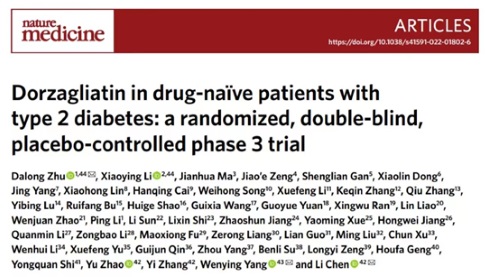
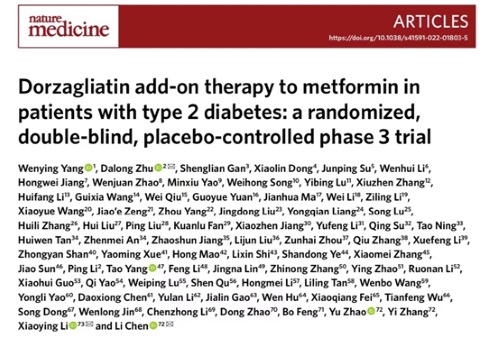
Hua Medicine Published Two Peer-Reviewed Papers in Nature Medicine, an International Top Medical Journal, on the Results of the Phase III Research of Dorzagliatin, a First-In-Class Investigational Diabetes Drug of Hua Medicine

SHANGHAI, CHINA, May 13, 2022 – (ACN Newswire) – Hua Medicine (the "Company", stock code on the main board of the Hong Kong Stock Exchange: 2552.HK) today announces that, two peer-reviewed papers on the Phase III clinical trial results of dorzagliatin, a glucokinase activator (GKA) and first-in-class investigational drug of the Company for the treatment of diabetes, were published online simultaneously by Nature Medicine, an international top medical journal. These two papers described and analyzed the clinical efficacy and safety characteristics of dorzagliatin monotherapy (SEED) in drug-naive Type 2 diabetes (T2D) patients and the combination therapy of dorzagliatin and metformin (DAWN) in patients who failed in metformin adequacy therapy for the treatment of T2D respectively.


It was the first time for Nature Medicine to publish the results of Phase III trials of a GKA, representing the results of large registered clinical studies in China. Dorzagliatin is a new first-in-class GKA antidiabetic drug to successfully complete the Phase III registered clinical study in the world, which was led by Chinese researchers. The two papers are also the first to be published in Nature Medicine with Chinese researchers as the first and corresponding authors of a novel mechanism for treatment of diabetes. Both studies demonstrated that by addressing the defect of the glucose sensor function of glucokinase (GK), dorzagliatin is able to continuously and effectively reduce HbA1c in patients with T2D, and significantly reduce post-meal glucose (2h-PPG) during the treatment period. The percentage of patients admninistered dorzagliatin achieving standard glycemic blood glucose control was demonstrated to be high and with low hypoglycemia incidences. It was also shown that dorzagliatin has good safety and tolerability. In addition, it can continuously improve beta-cell function and reduce insulin resistance.

Dorzagliatin is the first-in-class oral drug developed by Hua Medicine for the treatment of T2D after 10 years of independent research and development, which identifies GK as a therapeutic target. GK plays a critical role in maintaining blood glucose homeostasis in human body, serving as a glucose sensor to sense changes of the blood glucose, and timely stimulates glucose control organs to secrete insulin, GLP-1 or glucagon, so as to effectively regulate blood glucose level and maintain blood glucose homeostasis (4-6.5 mmol/L). Impaired sensitivity of glucose, mainly manifested as impaired glucose stimulated insulin secretion (GSIS) function of pancreatic beta-cells and rise of FPG level blood sugar fluctuations, is the root cause of T2D. Dorzagliatin can act on GK in glucose control organs such as pancreas, liver and intestine. By restoring GK activity in T2D patients, it helps restore the sensitivity of the human body to blood glucose changes, and thus improves the early phase insulin secretion and beta-cell function. In this way, blood glucose homeostasis can be rebuilt to control or delay the progression of T2D, and fundamentally treat diabetes and discontinue medication. Hua Medicine has published over 10 papers on the results of basic and clinical studies to continually elaborate its scientific concept of "restoring sensitivity, rebuilding homeostasis, and treating diabetes at its source". The results of the Phase III trial published by Nature Medicine are the clinical validation of this innovative concept. In March 2021, Hua Medicine submitted the new drug application (NDA) of dorzagliatin to the China National Medical Products Administration (NMPA) for T2D treatment, which was accepted in April. Currently, the NDA of dorzagliatin is under active review by the NMPA. Hua Medicine is fully supporting this process to obtain the approval of dorzagliatin as early as possible.

Nature Medicine is a top journal, focusing on the field of biomedicine. It mainly publishes original research papers that "demonstrate novel insight into disease processes, with direct evidence of the physiological relevance of the results", and has begun to focus on publishing papers of large clinical research in recent years. The impact factor of Nature Medicine has been on the rise. With a 2-year impact factor of 53.44, it has surpassed Nature to be one of the top five medical journals, also including The New England Journal of Medicine (NEJM), The Lancet, The Journal of the American Medical Association (JAMA) and The British Medical Journal (BMJ), known traditionally as four medical journals. Since 2009, Franz Matschinsky, the father of GK, first reported the research and development of GKA in Nature Reviews Drug Discovery, the theoretical research and drug research and development results related to GKA have drawn worldwide attention, and have been highly valued by the international academic and clinical medical communities. Before, the results of the Phase II clinical trial of dorzagliatin were published in the advanced medical journal The Lancet Diabetes and Endocrinology. Since 2014, Hua Medicine has been presenting the results of basic researches and clinical studies of dorzagliatin at the world's largest and most important diabetes conference – the American Diabetes Association (ADA) Scientific Sessions every year. It was through the ADA Scientific Sessions that the editors of Nature Medicine noticed the innovativeness and breakthrough nature of dorzagliatin, and took the initiative to make an appointment with Hua Medicine for scripts. These two newly published papers present the Phase III results of the SEED study and the DAWN study of dorzagliatin, respectively.

The SEED study is a study of dorzagliatin monotherapy. It is a randomized, double-blind and placebo-controlled Phase III registered clinical study in drug naive T2D patients. The study was conducted among 463 T2D patients. The first 24 weeks were randomized, double-blind and placebo-controlled treatment, designed to evaluate the primary efficacy and safety endpoints of dorzagliatin. The subsequent 28 weeks were open-label period for dorzagliatin, designed to continuously observe and evaluate the safety of dorzagliatin. The SEED study was led by Professor Dalong Zhu, the President of the Chinese Diabetes Society, and Director of Medical Center for Endocrine and Metabolic Diseases of Gulou Hospital, affiliated to Medical College of Nanjing University. This study showed that dorzagliatin can effectively reduce the blood glucose of drug naive T2D patients, with good safety and tolerability. The main conclusions of the SEED study include:

Significant and long-lasting efficacy:
— There was a 1.07% HbA1c reduction from baseline in 24 weeks, significantly better than that of the placebo treated group (p<0.001)
— The standard-reaching rate of HbA1c was 42.5% in 24 weeks, significantly higher than that of the placebo treated group (p<0.001)
— Significantly improved beta cell function, with a 3.28 increase in HOMA2-beta in 24 weeks compared with the placebo treated group
— The 2h-PPG observably decreased by 2.33mmol/L compared with the placebo treated group in 24 weeks
— The FPG observably decreased by 0.33mmol/L compared with the placebo treated group in 24 weeks
— The HbA1c continued to remain steady in 52 weeks

Good tolerability and safety:
— The hypoglycemia (<3mmol/L) incidence rate was less than 1% in 24 weeks, and there was no severe hypoglycemia reported
— The hypoglycemia (<3mmol/L) incidence rate was less than 1% in 52 weeks, and there was no severe hypoglycemia reported
— In 52 weeks, there was no drug-related SAE

The DAWN study is a randomized, double-blind, placebo-controlled Phase III study among 767 patients, which uses dorzagliatin combined with metformin to treat T2D patients who failed in metformin adequacy therapy. The first 24 weeks were randomized, double-blind and placebo-controlled treatment, designed to evaluate the primary efficacy and safety endpoints of dorzagliatin. The subsequent 28 weeks were open-label period for dorzagliatin, designed to continuously observe and evaluate the safety of dorzagliatin. The DAWN study was led by Professor Wenying Yang at China-Japan Friendship Hospital, who is the former President of the Chinese Diabetes Society and present Vice President of the Asian Diabetes Association. This study showed that dorzagliatin can effectively reduce the blood glucose of T2D patients who failed in metformin adequacy therapy, with good safety and tolerability. The main conclusions of the DAWN study include:

Significant and long-lasting efficacy:
— The HbA1c reduction was 1.02% from baseline, significantly better than that of the placebo treated group in 24 weeks
— The standard-reaching rate of HbA1c was 44.4% in 24 weeks, significantly higher than 10.7%(p<0.0001) in the placebo treated group
— Significantly improved beta cell function and HOMA2-beta increased by 2.43 compared with the placebo treated group in 24 weeks
— The 2h-PPG observably decreased by 2.48mmol/L compared with the placebo treated group in 24 weeks
— The FPG observably decreased by 0.38mmol/L compared with the placebo treated group in 24 weeks
— The HbA1c continued to remain steady in 52 weeks

Good tolerability and safety:
— The hypoglycemia (<3mmol/L) incidence rate is less than 1% in 24 weeks, and there was no severe hypoglycemia reported
— The hypoglycemia (<3mmol/L) incidence was less than 1% in 52 weeks, and there was no severe hypoglycemia reported
— In 52 weeks, there was no drug-related SAE

Professor Dalong Zhu, the first author of the paper on SEED, said, "The investigator team of dorzagliatin and the R&D team of Hua Medicine have always focused on the clinical needs of patients and adhered to scientific rigor to successfully develop this first-in-class new drug together. The publication of the results of the two Phase III clinical studies on Nature Medicine is another proof of the international academic community recognizing China's new drug development capabilities. As a clinical investigator, I feel very proud and confident about the future of innovative drug development in China. In clinical trials, dorzagliatin has demonstrated long-lasting and stable efficacy, as well as good safety and tolerability. In the meanwhile, it showed significant potentiation in combination trials with SGLT-2 inhibitors and DPP-4 inhibitors. I am very much looking forward to bringing new treatment options with dorzagliatin to Chinese T2D patients soon."

Professor Xiaoying Li, the co-corresponding author of the paper and Director of the Department of Endocrinology at Zhongshan Hospital affiliated to Fudan University, said, "Nature Medicine is a top journal with a high impact factor. The clinical trial of dorzagliatin is designed in line with the standards of international multinational companies. All the investigators and developers followed a high bar of standards and quality, which led to the creation of such a high-value breakthrough drug. I'm very proud and excited about this achievement. Type 2 diabetes is a critical threat to human health. As clinicians, our involvement in the clinical development of dorzagliatin has given us the opportunity to review the regulating mechanisms of glucose homeostasis and to better understand the process and characteristics of the progression of type 2 diabetes. "

Professor Wenying Yang, the first author of the DAWN paper, said, "I am very excited and happy! Before, the results of Phase II clinical study of dorzagliatin were published in The Lancet Diabetes and Endocrinology, and now the results of Phase III clinical study were published in Nature Medicine. Such achievements are completely on par with the first-in-class diabetes drugs developed by multinational pharmaceutical companies. This is a great recognition on Chinese innovative drugs, the best return to Hua Medicine and Dr. Chen Li's 10 years of hard work, and the most memorable experience for us as clinical investigators. We are fortunate to meet such a good pioneer. I look forward to the launch of dorzagliatin soon!"

Dr. Yi Zhang, Chief Medical Officer, Senior Vice President of Pharma Development of Hua Medicine and the head of clinical development for dorzagliatin, said, "The publication of the results of the two clinical studies, i.e., the SEED study and the DAWN study, on Nature Medicine fully demonstrated the scientific research capabilities of Chinese clinical researchers and Hua Medicine's innovative R&D strengths as a China-based biopharmaceutical company. The Phase III clinical trial of dorzagliatin is the first confirmatory clinical study of GKA drugs completed worldwide. It is also the first clinical trial of a first-in-class investigational diabetes drug led by a Chinese clinical team with Chinese subjects as the research objects. We are very grateful to all clinical researchers for their unremitting efforts and hard work. In the future, Hua Medicine is confident to join hands with partners in various clinical fields to make new breakthroughs in the field of Type 2 diabetes and the whole metabolic diseases."

Dr. Li Chen, Founder, CEO, Chief Scientific Officer of Hua Medicine and corresponding author of both papers, said, "We are very pleased to collaborate with Jennifer Sargent, Editor-in-Chief, to publish the clinical research results of dorzagliatin in Nature Medicine. This illustrates the strong interest and attention of the international medical community on the GK mechanism and GKA drugs. In 1968, Professor Franz Matschinsky, the father of glucokinase, discovered the critical role of GK in glucose-stimulated insulin secretion and proposed glucokinase as a diabetes gene and glucose sensor. The drug development of glucokinase activators has, since then, undergone numerous difficulties and failures. More than 50 years later, I am very pleased to see that Hua Medicine R&D team and Chinese clinical experts, after ten years of hard work, have overcome many R&D difficulties and greatly improved the understanding of glucokinase's role in the regulation of blood glucose homeostasis and diabetes treatment, established the world's leading scientific concept of diabetes treatment, and successfully transformed it into the breakthrough new drug dorzagliatin. The recently results of the DREAM study, further elucidates that dorzagliatin can fundamentally treat T2D and achieve diabetes remission without any glucose-lowering medication after the completion of the SEED study. Hua Medicine is proactively supporting the NMPA approval process to bring this innovative drug to the benefit of Chinese type 2 diabetes patients as soon as possible."

Design of the SEED study
The SEED study is a randomized, double-blind and placebo-controlled Phase III study conducted in 463 drug naive T2D patients. The whole study lasted for 53 weeks, including 52 weeks of treatment and 1 week of safety follow-up. The first 24 weeks were randomized, double-blind and placebo-controlled to assess the efficacy and safety of dorzagliatin. Patients were treated with twice-daily doses of dorzagliatin (75mg) or placebo, randomized 2:1. The subsequent 28-week were the open-label treatment period, during which all subjects were treated with twice-daily doses of dorzagliatin (75mg). The study was conducted at 40 clinical sites across China led by Professor Dalong Zhu, the President of the Chinese Diabetes Society, Director of Medical Center for Endocrine and Metabolic Diseases of Gulou Hospital, affiliated to Medical College of Nanjing University. (Clinical study registration number: NCT03173391)

Design of the DAWN study
The DAWN study is a randomized, double-blind, placebo-controlled Phase III study in 767 Type 2 diabetes patients, which uses dorzagliatin combined with metformin to treat patients who failed in metformin adequacy therapy. During the first 24 weeks of double-blinded treatment, subjects were treated with metformin (Glucophage) at 1,500mg/day as the basic therapy, and they were given twice-daily doses of dorzagliatin (75mg) or placebo, randomized on a 1:1 ratio. During the subsequent 28-week open-label treatment period, all subjects received dorzagliatin 75mg twice daily and 1500mg/day of metformin (Glucophage). The trial was conducted in 72 clinical sites across China led by Professor Wenying Yang of China-Japan Friendship Hospital, the former President of the Chinese Diabetes Society and present Vice President of the Asian Diabetes Association. (Clinical study registration number: NCT03141073)

About Dorzagliatin
Dorzagliatin is an investigational first-in-class, dual-acting glucokinase activator, designed to control the progressive and degenerative nature of diabetes by restoring glucose homeostasis in patients with Type 2 diabetes. By fixing the defect of the glucose sensor function of glucokinase, dorzagliatin has the potential to restore the impaired insulin and GLP-1 secretion of patients with Type 2 diabetes and serve as a cornerstone therapy targeting the root cause of the disease. Two Phase III registered trials for dorzagliatin monotherapy and the combination of dorzagliatin and metformin respectively have been completed in China, as well as the studies on drug mechanism synergy with sitagliptin (DPP-4 inhibitor) and empagliflozin (SGLT-2 inhibitor). In an investigator-initiated study named as DREAM, a 65.2% diabetes remission rate was observed without any antidiabetes medication during the 52-week study period. The Company has obtained the "Drug Manufacturing Permit" of dorzagliatin issued by the Shanghai Municipal Drug Administrative Bureau, and has submitted its NDA to the National Medical Products Administration in order to realize the "First in Global, Start from China" mission for the benefits of diabetic patients worldwide.

About Hua Medicine

Hua Medicine is an innovative drug development company in China focused on developing novel therapies for patients worldwide with unmet medical needs. Hua Medicine teams up with global high caliber people and integrates global resources to explore breakthrough technologies and products and accelerate global innovation in diabetes care. Targeting the glucose sensor glucokinase, dorzagliatin, a novel oral diabetes drug restoring glucose sensitivity in T2D patients, has completed SEED and DAWN registration trials, and filed NDA in China. This global first-in-class glucokinase activator (GKA) has demonstrated its potential of achieving diabetes remission to help millions of diabetic patients around the world.

For more information
Hua Medicine
Website: www.huamedicine.com

Investors
Email: ir@huamedicine.com

Media
Email: pr@huamedicine.com


Copyright 2022 ACN Newswire. All rights reserved. http://www.acnnewswire.com