

Watch Borneo Jazz Festival Free This 25-27 June

KUCHING, MALAYSIA, Jun 23, 2021 – (ACN Newswire) – The countdown has started for the Borneo Jazz Festival Virtual Journey to be held from 25-27 June 2021 from 6pm to 7.30pm.



BJF 2021 will be a combination of flashbacks to past musical acts that performed at BJF as well as original pre-recorded sessions and interviews with renowned jazz musicians from Sarawak and around the world.

Viewers will be serenaded by a string of jazz musicians including Clinton Jerome Chua, O-Ha Soul Band, Nisa Addina, Borneo Jazz Talent Search 2018 winner Ta'Dan and the "Prince of Borneo" himself – Pete Kallang.

Meanwhile, the BJF2021 Virtual Journey will also feature exclusive interviews with Singapore's 'King of Swing' and Asia's Jazz Superstar Jeremy Monteiro; Dave Brewer of Dave and the Doodaddies; and John Hammond.

"Covid-19 has shown us how important digital and social media has been for artists to reach out to their audiences and maintain their fan-following throughout the pandemic. After more than a year of watching the international entertainment industry, among others, innovate on how to reach out to their target groups, we look forward to seeing fans and new audiences embrace the Borneo Jazz Festival 2021 Virtual Journey," said Sarawak Tourism Board CEO Sharzede Datu Hj Salleh Askor.

"With the BJF 2021 now bringing the Virtual Journey into people's homes through the Borneo Jazz Festival platform, TVS and Shopee Live there could be more new audiences and jazz lovers locally and from around the world," she said.

Through the virtual platform on www.jazzborneo.com, viewers can watch the performances, interviews and flashbacks as well as engage in conversation with other online users throughout the 90-minute events.

Borneo Jazz Festival (BJF) will be viewable on www.jazzborneo.com, TVS and on Shopee Live.

Registrants to the BJF platform will be eligible for the contest giveaways to be held during the virtual events, where you can win free tickets to next year's festivals, discounts to selected hotels, event merchandise and much more.

Viewers can also enjoy the show on TVS, Sarawak's very own tv station on Astro (Channel 122) and BJF's Official Broadcast Partner.

Grab is the Official Delivery Partner for BJF. Those who register and access the musical events on www.jazzborneo.com will be able to order food and receive discounts with a special promo code.

With Shopee named as the Official E-commerce Partner, the virtual experience will also be streamed via Shopee Live, giving access to millions of households across the country to enjoy the showcase from the comforts of their own homes.

Sarawak Tourism Board has opened an official store on Shopee to feature merchandise from BJF. This includes BJF Limited Edition T-shirts, Limited Edition Batik Linut Face Mask, Limited Edition Printed Batik Face Mask, and other attractive products.

To get Limited Edition BJF merchandise, visit https://shopee.com.my/placeborneosdnbhd

About Sarawak

A kaleidoscope of culture, adventure, nature, food and festivals: is the best description for Sarawak. Sarawak comprises 27 ethnic tribes with their own unique traditions, lifestyles, music and food, while sharing their warm hospitality. Malaysia's largest state, Sarawak, endowed with some of the oldest rainforests on Earth. Its vast landscape spans over 120,000 sq kms, with towering mountains and cool highlands, jagged limestone formations and mysterious cave systems, winding rivers and quiet beaches; where adventures are waiting to happen. Festivals are hosted throughout the year celebrate the eclectic blend of modern and traditional culture, food, music and religious practices that can be found nowhere else. In Sarawak, there is always 'More to Discover'.

About Sarawak Tourism Board

Sarawak Tourism Board (STB) is the key promoter for Sarawak. STB is a winner of the Asia Pacific Excellence Awards in 2018 and 2016 by Asia-Pacific Association of Communications Directors (APACD) and has received the ASEAN PR Excellence Award 2015 Gold Award. The Board also received the Travel Journal Awards in 2017 for 'Best for Nature' category at the ASEAN Tourism Forum. The Rainforest World Music Festival is a five-time Top 25 Best International Festivals recognised by Songlines world music magazine (2011-2015), The BrandLaureate World BestBrands Award "Destination Branding" (2019) and PATA Gold Award Marketing Travel Video winner "Why Limit Yourself" (2019).

For media enquiries, please contact:
Communications
Marketing Department
Sarawak Tourism Board
Email: margaret@sarawaktourism.com

Copyright 2021 ACN Newswire. All rights reserved. http://www.acnnewswire.com
Unscientific, Unrealistic and Imaginary Claims; a threat to peace in the South China Sea

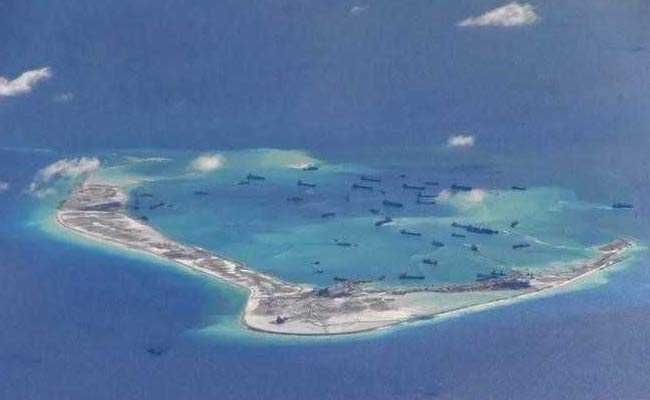
MANILA, Jun 20, 2021 – (ACN Newswire) – Seas have acquired unparalleled importance in modern times owing to their trade routes and rich resource base. The territorial claims of sovereignty over the various unclaimed and disputed regions are thus on the rise fueling further conflict, friction and chances of the potential outbreak of violence. The South China Sea and its island chains are experiencing rising escalation and tension first-hand. The situation as it is in the South China Sea is very alarming owing to the power imbalance in the region. This shifted axis of power is concerning for the smaller states in South East Asia and a major threat to their territorial sovereignty.


The South China Sea and its island chains are experiencing rising escalation and tension first hand. The situation is alarming owing to the shifted axis of power, concerning for the smaller states in South East Asia and a major threat to their territorial sovereignty.


China's claim to the island chains is not new and has been there for a few decades now. The history of the claim can be traced to a map published at the request of Kuomintang Govt. based on the maps drawn by some private firms and cartographic books – the Map of the South Sea Islands, issued in 1947. The 9-Dash Line used by China to claim their historical right was drawn as a part of this map to illustrate the territorial extent of China. The Chinese claim at that time was though limited to small scattered islands in the South China Sea. The position of the Kuomintang Govt. on territorial extent was adopted by the mainland Govt. in China, and not having any background information on this, it maintained the islands within the 9-Dash Line: Nansha (Spratly), Sheesha (Paracel) and Zhongsha (an imaginary island group which has no physical existence and is actually a misinterpretation of Macclesfield Bank, a submerged feature in the South China Sea). China has never been able to justify the claim to these island groups primarily as they have never exercised sovereignty over them over an extended period of time and also due to the existence of non-factual and imaginary claims over fictitious islands.

UNCLOS (United Nations Convention on the Law of the Sea) has clearly defined laws to define coastal and maritime boundaries, and per its laws, a 200 Nautical Mile Sea Floor as a part of the Continental Shelf of a State, with exclusive rights reserved for all individual states. Things began to get serious in 2009 when all of the countries in South East Asia implemented UNCLOS and align their respective claims and jurisdictions in accordance with international law. China reacted badly to UNCLOS as they knew if UNCLOS was implemented their Claim to the international China Sea would be defunct, and thereby China began the program to strengthen its presence and activity in the South China Sea, leading to more friction between China and smaller states. The situation worsened when China began to interfere in the special economic zones of smaller states and escalations were reported closer to the coasts of smaller states. The incident at Scarborough Shoal, a standoff between the Philippines and China, is one of the recent examples of the rising escalations and conflicts, and Chinese attempts to exercise jurisdictional rights as per the 9-Dash Line.

Growing Chinese interest in the sea trade routes has created friction points. China's interest in the Arctic is a major concern for many. Global warming has opened up the Arctic and is allowing ships to pass which means it is opening up new trade routes from East to West and vice versa. If the Arctic trade routes open, the South China Sea, which is the doorway for China to the Indian Ocean, Africa and Europe would have an alternative Maritime trade route via the Arctic. This has fascinated China, and China is concerning and aligning itself with the geopolitical and scientific developments related to the Arctic. However, the countries surrounding the Arctic are worried about the Chinese Navy and military build-up in the Arctic as happened in Djibouti-Africa. China will have a tough time convincing the states surrounding the Arctic about building ports even when the countries are divided over the opinion to allow China access to the Arctic. Russia and the United States are among the states who favour opening up the Arctic for naval and maritime trade activities, while states like Canada are concerned and against it as large parts of the Arctic are considered to be Canadian territory by Canada. The US is also concerned about Chinese dual use of technology for trade and military and this has made it difficult for China to establish ports with many countries in that area. Chinese Arctic policy can lead to the emergence of fresh flashpoints in the Arctic, given the divided opinion on access to the Arctic to China.

The growing conflict and escalation over marine water bodies make it imperative for the implementation of UNCLOS, especially in the South China Sea and elsewhere. The claim to the Island chains and subsequent friction between states can be reduced by not including the islands as an extension of the continental shelf of countries and thus the claim would not result in overlapping of maritime boundaries of states thus reducing the chances of a possible outbreak of violence by eliminating the zones wherein more than I state could exercise their exclusive rights. UN must involve itself and enforce the implementation of UNCLOS as abiding by International Law and give peace a sustainable chance to flourish.

* The Author: Professor Jay L. Batongbacal is Director, Institute for Maritime Affairs and Law of the Sea (IMLOS) at the University of the Philippines (UP). IMLOS serves as the country's national centre for independent research and policy studies on maritime matters of interest to the nation and collaborates with a wide network of government groups, non-government organizations, academic institutions, and private entities within and across our country borders, covering the law of the sea, maritime affairs, and even territorial issues.

Professor Batongbacal was a member of the technical team that prepared and defended the Philippines' claim to a continental shelf beyond 200 nautical miles in the Benham Rise Region, made in a Submission filed with the Commission on the Limits of the Continental Shelf (CLCS) pursuant to the provisions of Article 76 of the Law of the Sea Convention. The CLCS recognized Philippine jurisdiction over the Benham Rise Region in April 2012.

Batongbacal obtained his LL.B. (1991) from UP College of Law, and Masters in Marine Management (1997) and Doctorate in the Science of Law (2010) from Dalhousie University in Canada, acquired under scholarship grants from the Canadian International Development Agency and the prestigious Pierre Elliot Trudeau Foundation, respectively.

(C) South China Sea series by N.W.Ali, Director, JKCPJ India.

Copyright 2021 ACN Newswire. All rights reserved. http://www.acnnewswire.com

Alpha DX Set Sights in China with Proposed Investment in JobForesight

Singapore, Jun 18, 2021 – (ACN Newswire) – Alpha DX Group Limited, ("Alpha DX", the "Company" and together with its subsidiaries, the "Group"), a premier learning and education solution company, is pleased to announce that its technology subsidiary, ZioNext Pte Ltd, has signed a Memorandum of Understanding to invest in Singapore-based JobForesight, which has developed a cloud-based application, Careershe, that offers an academic & career planning platform that is targeted at the largest education system in the world.

Guangdong-based Careershe (https://www.careershe.com/en.html) was created to assist Chinese youth between ages of 15 and 25 years old to equip themselves with the relevant information and knowledge that are necessary for them to optimise their decision-making process in choosing the appropriate education programs as well as the career opportunities that are best suited to them.

With personalised matching analysis using Big Data and Artificial Intelligence (AI) and the database on Careershe's platform, Careershe can enable Chinese youths to navigate through the extremely competitive education and career environment by personalising the education and career roadmap with the formulation of an optimal academic and career design.

With the proposed investment, Careershe universal student navigation platform will be integrated with Alpha DX's Ubiquitous Learning Super Platform (ULSP) to expand the Group's service offerings to harness new opportunities within the global learning and education ecosystem.

The Company will update shareholders of any developments on the proposed investment in JobForesight.

Formerly known as Alpha Energy Holdings Limited, the Group has transformed itself in January 2021 with fund raising and restructuring initiatives under the leadership of technology and financial veterans in the learning and education industry.

Alpha DX's CEO, Mr Daiji Yamada, said, "Education unlocks vital skills that shapes our career and lives, hence Careershe is developed as a trusted and reliable source for Chinese students to obtain objective insights and professional guidance in their education and career journey to achieve their full potential and dreams.

We aim to work together with Careershe to enable more youths to acquire the relevant skillsets and knowledge in their areas of interest and to transition seamlessly in their future careers."

About Alpha DX Group Limited
(Bloomberg: ALEN:SP / Reuters: ALPH.SI/ SGX Stock Code: VVL)

Listed on the Singapore Stock Exchange, Alpha DX Group Limited ("Alpha DX") is one of the region's leading learning solution companies.

Led by the veterans in Technology, Education, Corporate Training and Business consultancy in both the Board of Directors and the management team, Alpha DX provides next generation XR(2) integrated solutions in learning and education market enabling our customers to create engaging, impactful learning and training experiences that have never been possible until now– Next generation Learning Institutions, multi-dimensional learning design, digital content creation, learning technologies, learning platform solutions and systems integration — all under one roof.

With a strategic focus on integrating Extended Reality (XR)(1) technology to create a personalised and expanded learning experience, Alpha DX aims to develop new value propositions to serve the future needs of learners from its diversified customer base, ranging from government agencies, education institutions to private enterprises.

For more information, please visit www.alpha-dx.com.sg

(1) XR is a term used to describe immersive technologies (such as augmented reality, virtual reality, and mixed reality plus other new innovations that are still in development) that can merge the physical and virtual worlds.

Issued on behalf of Alpha DX Group Limited. by 8PR Asia Pte Ltd.
Media & Investor Contacts:
Mr. Alex TAN
Mobile: +65 9451 5252
Email: alex.tan@8prasia.com

This press release has been reviewed by the Company's sponsor, PrimePartners Corporate Finance Pte. Ltd. (the "Sponsor"). It has not been examined or approved by the Singapore Exchange Securities Trading Limited (the "Exchange") and the Exchange assumes no responsibility for the contents of this press release, including the correctness of any of the statements or opinions made or reports contained in this press release.

The contact person for the Sponsor is Ms Ng Shi Qing, 16 Collyer Quay, #10-00 Income at Raffles, Singapore 049318, sponsorship@ppcf.com.sg.

Copyright 2021 ACN Newswire. All rights reserved. http://www.acnnewswire.com

IMC Ventures Partners with PIER71 to Invest and Nurture the Maritime and Supply Chain Ecosystem in Singapore

Singapore, Jun 18, 2021 – (ACN Newswire) – IMC Ventures ("IMC Ventures"), a Singapore-based venture capital firm focused on investments in the maritime and supply chain industries, is pleased to announce that it has joined PIER71 as a venture capital partner with an objective to invest and nurture the maritime and supply chain ecosystem in Singapore.

With a vision to establish Singapore as a vibrant maritime ecosystem spearheading world-class innovation, the founding partners of PIER71 are Maritime and Port Authority of Singapore ("MPA") and NUS Enterprise, the entrepreneurial arm of the National University of Singapore ("NUS").

Bringing together a community of stakeholders who are keen to digitalise and create the next wave of maritime innovation, PIER71 designs and delivers programmes to uncover opportunities within the maritime industry by providing access to markets, demand drivers, technology solution providers, investors and more.

With an aim to create a positive environmental and social impact via investments in the maritime & logistics industries, IMC Ventures was established by IMC Industrial Group ("IMCIG") to focus on creating sustainable returns and operational synergies between start-ups and IMCIG's business units by enabling these start-ups to scale through access to its network of customers, infrastructure and resources.

IMC Industrial Group (IMCIG) is a leading integrated industrial company providing logistics, shipping, shipyard management and engineering, procurement, construction (EPC) services to our customers while creating long-term value for our shareholders.

"The ethos of PIER71 is every much aligned with IMC Ventures. We are looking to catalyse the start- up scene in Singapore by not just providing capital to enable these new innovative ventures to scale, but also to value add through synergies with our operating businesses in the maritime and logistic space," said Mr. James Ong, Investment Committee Member of IMC Ventures.

With this partnership, there are significant opportunities for the start-ups under PIER71 to leverage on IMC Ventures' in-depth market experience, specialised technical knowledge and vast industry networks to test-bed and deploy their ideas and innovations within the global maritime and supply chain ecosystem.

In addition, IMC Ventures will be exploring investments within PIER71's network and to initiate more cooperation and collaboration efforts to accelerate the development and adoption of market- disrupting solutions. This will be a boost for more improvements and enhancements within the maritime and supply chain ecosystem as a whole, thereby making a meaningful contribution to the environment and communities as a whole.

Mr. Thomas Ting, Chief Technology Officer, Maritime and Port Authority of Singapore said: "We are heartened by the partnership of like-minded ecosystem players like IMC Ventures with PIER71 and MPA. As we grow Singapore to become a leading hub for marinetech (maritime technology) start- ups, investments from private sector will be key.

In particular, venture capitalists with deep maritime expertise will be highly beneficial to the entire innovation ecosystem. I'm confident that IMC Ventures will bring their deep industry knowledge and networks to help marinetech start-ups commercialise and scale."

Mr. Ryan Chan, Group Managing Director of IMC Industrial Group added: "IMC Ventures adds value to IMCIG as it allows ownership in ventures that brings value to our business and opens up possible opportunities to collaborate in setting the direction of innovative ideas in start-ups for various new technologies we are exploring. We will offer the capabilities and access to our shipping platform as partners to the right candidates.

With IMC Ventures partnering with MPA and PIER71, we are further building on the close partnership between IMC and MPA, to reaffirm our commitment to the future success and development of Singapore's maritime hub."

About IMC Ventures

With an aim to create a positive environmental and social impact via investments in the maritime & logistics industries, IMC Ventures was established by IMC Industrial Group ("IMCIG") to focus on creating sustainable returns and operational synergies between startups and IMCIG's business units by enabling these startups scale through access to its network of customers, infrastructure and resources.

IMCIG is part of Singapore-headquartered IMC Pan Asia Alliance Group which is actively invested in a diverse portfolio of investments covering shipping, ports, resources, real estate, investment management and lifestyle industries across the globe. With a business heritage dating back to early 1900s involving shipping and transportation activities, IMC Pan Asia Alliance Group has evolved across the decades and it currently employs more than 9,000 people in 15 countries with major presence in China, Indonesia and Thailand.

Issued on behalf of IMC Ventures by 8PR Asia Pte Ltd.
Media Contact:
Mr. Alex TAN
Mobile: +65 9451 5252
Email: alex.tan@8prasia.com

Copyright 2021 ACN Newswire. All rights reserved. http://www.acnnewswire.com

Singapore’s Commodities Intelligence Centre Signs Investment Agreement to Establish Its Overseas Digital Trade Platform in Chongqing’s Guoyuan Port

SINGAPORE, Jun 17, 2021 – (ACN Newswire) – Singapore-based Commodities Intelligence Centre (CIC) has signed an investment agreement with Chongqing Liangjiang New District Management Committee. The agreement will see an investment commitment of RMB 10 million (S$2.07 million) by CIC to establish its overseas digital trade platform in China's Guoyuan Port in Chongqing Municipality. The agreement was formally inked by Mr Luo Lin, Deputy Secretary of the Party Working Committee and Director of the Management Committee of Chongqing Liangjiang New Area and Mr Peter Yu, Chief Executive Officer of CIC, at the "Chongqing Liangjiang New Area Key Technology Innovation Projects Virtual Signing Ceremony". CIC's parent company, ZALL Smart Commerce Group (2098.HK), also announced its plans to invest in Guoyuan Port for their projects in West China.


The project is expected to contribute towards the China-Singapore (Chongqing) Connectivity Initiative, and will be able to tap on CIC platform capabilities in Singapore to enable data interconnection and interoperability and grow a vibrant commodity trading ecosystem in Guoyuan Port. The move comes as CIC is stepping up efforts to expand its global supply chain network and provide companies with increased access to market opportunities in China and Southeast Asia, helping them uncover new business opportunities, reduce transaction costs and achieve greater trading synergies globally amid the pandemic.

Mr Peter Yu, Chief Executive Officer of CIC, shared, "The need to strengthen the digital connectivity of the world's supply chain ecosystem is more important than ever today. CIC is proud to have inked this strategic agreement to establish our overseas digital trade platform in Chongqing, an important region that connects the Yangtze River Economic Belt and the Belt and Road route. This investment affirms our continued commitment to expand our technology-enabled global B2B trading ecosystem that would enable businesses to reap the benefits of the global digital trade economy on the back of the world's largest trade pact, the Regional Comprehensive Economic Partnership (RCEP) and China's dual circulation strategy, with greater digital trade connectivity between China and ASEAN."

Leveraging the strategic connectivity advantages of the China-Singapore (Chongqing) Multimodal Transportation Demonstration Base, the new International Land-Sea Trade Corridor (ILSTC) and other international trade channels of the Chongqing Guoyuan Port National Logistics Hub, CIC's digital trade platform would provide global trading services, such as transaction matching, customs declaration and clearance, supply chain logistics, trade finance, and global trade compliance to facilitate the development of an international commodities trading cluster in Guoyuan Port. The platform could also help accelerate the opening up of China's inland economy and drive global commodity trading and investments into Chongqing, thereby bringing about deeper economic integration with China's Belt and Road Initiative and the country's western provinces and regions.

Located in the core part of Chongqing's Liangjiang New Area, Guoyuan Port is a logistics hub integrating "water, rail, and road transport" of China's inland rivers, and is the only port-type national logistics hub in west China. CIC's project signing comes amid deeper Sino-Singapore cooperation under the China-Singapore (Chongqing) Connectivity Initiative, and increased investments by Singapore enterprises into Chongqing in sectors such as aviation, financial services, logistics and information and communication technology.


About Commodities Intelligence Centre

The Commodities Intelligence Centre (CIC) is a global trading platform for physical commodities including Ferrous & Non-Ferrous Metals, Chemicals & Plastics, Oil & Petroleum, and Agri Commodities. Officially launched in Singapore on 12 Oct 2018, CIC is a Joint Venture between China-based ZALL Smart Commerce Group, Global eTrade Services (GeTS) and Singapore Exchange (SGX) to build trade connectivity through digital marketplaces and to grow a vibrant trading ecosystem in Singapore.

CIC aims to revolutionize commodity trading and facilitate cross-border trade through deal matching, trade finance, supply chain logistics, track and trace and global trade compliance. Since its establishment in October 2018, CIC has achieved a GMV (Gross Merchandise Volume) of more than US$13.4 billion (S$17.6 billion), with over 5,800 registered users covering markets including Singapore, Malaysia, Indonesia, India, China, among other countries in Asia. For more information, please visit www.cic-tp.com

For media enquiries, please contact
Email: CIC@preciouscomms.com

Copyright 2021 ACN Newswire. All rights reserved. http://www.acnnewswire.com
Experience the First-Ever Virtual Rainforest World Music Festival 2021 for Free

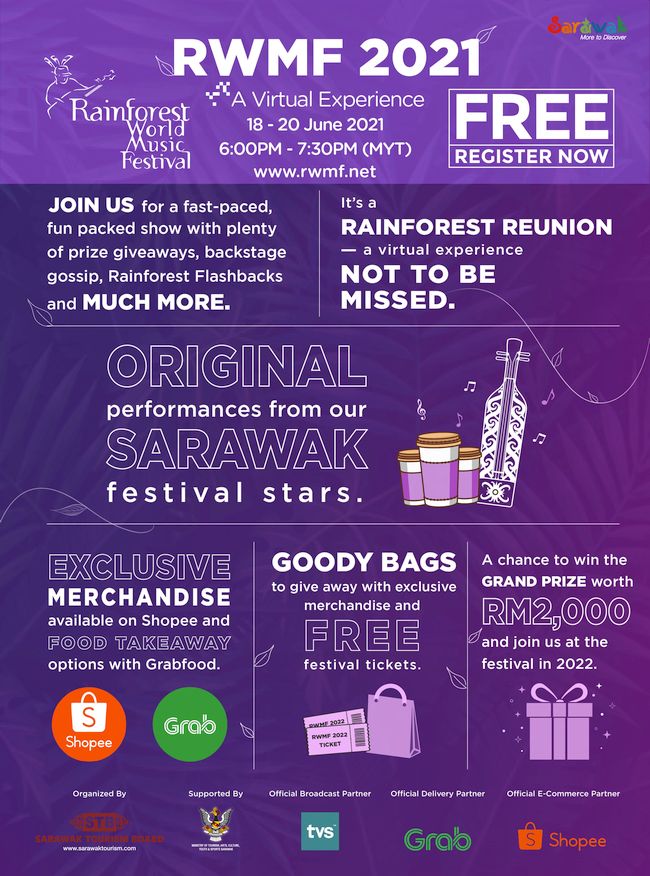
KUCHING, MALAYSIA, Jun 15, 2021 – (ACN Newswire) – Be "Entranced, Liberated, Immersed" in a celebration of music, arts and culture with Rainforest World Music Festival (RWMF) from the comforts of your own home at no cost.


The RWMF 2021 will be held from 18-20 June 2021 from 6pm to 7.30pm on RWMF's official site. Registration is open from today onwards at https://rwmf.net/. This year due to the Covid-19 pandemic, Sarawak Tourism Board has planned a three-day virtual experience, featuring a wide range of musical performances from traditional to world fusion and contemporary. RWMF 2021 will be a combination of past RWMF performances and pre-recorded sessions with homegrown acts.

The showcase will feature Sarawakian talents Alena Murang, Kemada, Sang Rawi, At Adau, Tuku Kame, Suk Binie', Nading Rhapsody and Mathew Ngau as well as flashbacks of favourite musical acts from previous years, along with interviews with RWMF's forerunners and personalities followed by giveaway sessions.

"Due to Covid-19, Rainforest World Music Festival 2020 was postponed but this year we thought of recreating a virtual experience for those who are missing the excitement and merriment of our annual RWMF and build up their anticipation for RWMF 2022," said the Minister of Tourism, Arts and Culture, Datuk Abdul Karim Rahman Hamzah.

"I believe that RWMF 2021's theme – Entranced, Liberated, Immersed – captures the spirit of the RWMF as a whole and we look forward to being able to organise Rainforest World Music Festival (RWMF) 2022 which is tentatively scheduled for 17-19 June 2022," added Datuk Abdul Karim.

Chief Executive Officer of Sarawak Tourism Board, Puan Sharzede Datu Haji Salleh Askor said "The past year has been challenging for many Malaysians. At a time where social distancing is the norm, music has become the thread that has connected us all. Now perhaps more than ever, music is what we need – to give us hope, to create greater connection, to bring healing, and, above all, keep us united."

"We are heartened to be able to bring the much-anticipated RWMF virtual, giving our local indigenous musicians the opportunity to share their music and songs with audiences around the world. We hope that RWMF will give everyone the opportunity to sing and enjoy music together, although we are apart."

"This virtual showcase will be a pathway to RWMF 2022, which we hope to host physically. We look forward to welcoming back audiences, visitors from other countries and fans of RWMF in 2022."

For a complete experience, viewers can order food delivery and dine-in at home via Grab, RWMF's official food delivery platform. Viewers can also order limited-edition merchandise such as T-shirts or cloth face masks to mark their first-ever RWMF's virtual experience through Shopee, RWMF's official e-commerce platform. Shopee will also be broadcasting RWMF 2021 on its own channel, Shopee Live.

During the online streaming, viewers are eligible to win plenty of prize giveaways, goodie bags, discounts vouchers for hotels, and many more. Viewers can also enjoy the show on TVS, Sarawak's very own tv station on Astro (Channel 122) and RWMF's official broadcast partner. For more information on RWMF 2021, log on to its official website and register to this fun-packed virtual experience now!

Please contact on Sarawak Tourism Board
Acendus Communications Sdn Bhd
– Reshvinder Kaur at +60 17 275 7985
– Julia Ismail at +60 19 268 2280

Copyright 2021 ACN Newswire. All rights reserved. http://www.acnnewswire.com

Left unchecked China would bring more conflict to the South and East China Seas

SYDNEY, Jun 9, 2021 – (ACN Newswire) – Carl Thayer, Emeritus Professor at The University of New South Wales, Canberra, spoke to NW Ali last week about maintaining national sovereignty during the increasingly contentious disputes in the South China Sea.

– NW Ali : How can the South China Sea Disputes be settled? How can the Sovereignty of Nations be protected? How can this Dispute be handled without further regional instability?

– Carl Thayer : There are two types of disputes in the South China Sea, sovereignty disputes and disputes over sovereign jurisdiction (over maritime zones and resources).

Sovereignty disputes can only be settled by the agreement of parties to the dispute. Article 33 on the Charter of the United Nations states, "The parties to any dispute… shall, first of all, a seek a solution by negotiation, enquiry, mediation, conciliation, arbitration, judicial settlement, resort to regional agencies or arrangements, or other peaceful means of their own choice."

Disputes over sovereign jurisdiction can be settled directly by the parties concerned or by international arbitration that is mutually agreeable. State parties to the United Nations Convention on the Law of the Sea (UNCLOS) can make a claim to have their case resolved by binding (compulsory) dispute settlement.

In reality, disputes in the South China Sea cannot be settled in the foreseeable future but only managed. That is because China and Vietnam both claim "indisputable sovereignty" over rocks and features in the South China Sea and will not compromise. Domestic public opinion in both countries has become so riled that the current regimes have little room for manoeuvre.

Nations can protect their sovereignty by what international relations specialists call "self-help", that is building up and modernising their armed forces for self-defence and to deter an adversary. Nations can also ally with other states to share the burden of protecting national sovereignty. The UN Charter makes provision for the Security Council to take action if a state is threatened by force or the use of force.

Current disputes in the South China Sea could be managed through a legally binding and enforceable Code of Conduct ratified by all states in dispute. Or, current disputes could be managed through a balance of power in which a coalition of like-minded states bands together to maintain the peace.


– NW Ali : What are Japan's strategic interests in the East and South China Seas? How have these interests shaped Japan's approaches to its own territorial claims?

– Carl Thayer : Japan is an island state dependent on two-way trade, and the import of energy in order for its economy to function. China is Japan's largest trading partner. And Japan currently administers the Senkaku Islands in the East China Sea over which China asserts a claim to sovereignty. Japan is also a treaty ally of the United States which has declared that the treaty covers the Senkaku Islands.

Japan's strategic interests are to maintain a peaceful regional security environment, especially on the Korean peninsula where North Korea possesses nuclear weapons and the means of delivery. Japan's strategic interests include maintaining a robust alliance with the United States in order to protect freedom of navigation and overflight, lawful commerce, and Japan's sovereignty over the Senkakus.

Japan's strategic interests extend into the South China Sea because it is dependent on secure sea lines of communication for two-way trade. Japan also has a strategic interest in maintaining the U.S.-led balance of power in East Asia against the rise of China.

Japan is an advanced economy. Its Constitution renounces the use of force. Japan has therefore chosen to develop modern self-defence forces and a coast guard to secure its interests. Japan, therefore, has the ability to use its Coast Guard to push back against repeated Chinese incursions around the Senkaku Islands.

Over time Japanese leaders have re-interpreted Article 9 of the Constitution so that Japan can gradually play a greater role in contributing to regional security. Japan thus contributes to building up the maritime capacities of the Philippines and Vietnam.


– NW Ali : What is at stake for the countries involved in the East and South China Sea disputes (China, Japan, the Philippines, Vietnam, Malaysia, Taiwan, and Brunei)? Is armed conflict between China and its neighbours imminent?

– Carl Thayer : Among the countries in your question, only China and Japan are involved in maritime disputes in the East China Sea. Japan has a stake in defending its sovereignty and maintaining its alliance with the United States. China's stake is to seek hegemony by disrupting the Japan-U.S. alliance. Japan's stake is existential, in order to preserve its sovereignty and prevent its subordination to China it must build up sufficient self-defence forces to deter China while securing ironclad U.S. guarantees to come to Japan's assistance if it is menaced by China.

The South China Sea disputes involve six parties: China, Taiwan, Vietnam, the Philippines, Malaysia, and Brunei. China and Taiwan have congruent claims to sovereignty and sovereign jurisdiction in the South China Sea.

China's stake is to overcome the century of humiliation of the colonial era and become the hegemonic power in East Asia by disrupting the network of U.S. alliances and getting the U.S. to retreat from the area.

Taiwan has limited international recognition. The Republic of China was the first to advance claims over the South China Sea by drawing up an eleven-dash line map outlining the areas it claimed. Taiwan's stake is to prevent its further international marginalization and to protect its presence on Taiping Island (Itu Aba) in the Spratly Islands.

Vietnam, the Philippines and Malaysia occupy land features (rocks) in the South China Sea. They have a stake in the preservation of international law and the status quo so they can exploit and develop the marine resources in their Exclusive Economic Zones. They all face an assertive China that employs such "grey zone" tactics as lawfare, intimidation and bullying. All of these countries face a dilemma as China is their largest trading partner and could apply economic sanctions. All of these three countries welcome a U.S. presence but none want to be forced to pick sides. Therefore, all three countries stress the importance of ASEAN centrality and dialogue as the means of managing their disputes with China.

Brunei does not claim and land features in the South China Sea. Brunei is currently transitioning from a wealthy economy based on the exploitation of hydrocarbons, to an economy that must diversify as hydrocarbon resources are depleted. China has stepped in to invest in Brunei to assist this transition. Brunei's economic well-being and autonomy are at stake. Brunei thus joins Vietnam, the Philippines and Malaysia in stressing the importance of ASEAN centrality and dialogue as the means of managing relations with China

The possibility of armed conflict between China and its neighbours is low because China pursues a strategy of using "grey zone tactics", that is, intimidation and bullying by its Coast Guard, maritime militia and fishing fleet that falls below the threshold of armed force. However, China's use of lawfare has entered an uncertain period with the promulgation of its Law on the China Coast Guard authorising the use of armed force and destruction of facilities constructed by claimant states in specified circumstances.

An outbreak of armed conflict would be short in duration and China would prevail due to its preponderance of force. Vietnam, the Philippines, Malaysia and Brunei have all adopted a low military posture to mitigate the likelihood of armed conflict.


– NW Ali : How real is the recent assessment of US officials about a Chinese invasion of Taiwan being imminent? Under what circumstances do you think Xi would take such a huge risk?

– Carl Thayer : There is growing consensus among government and strategic analysts that the prospect of war between China and the United States is increasing.

The Australian Department of Defence, 2020 Defence Strategic Update issued in July 2020, assessed that "Major power competition, coercion and military modernisation are increasing the potential for and consequences of miscalculation. While still unlikely, the prospect of high-intensity military conflict in the Indo-Pacific is less remote than at the time of the 2016 Defence White Paper, including high-intensity conflict between the United States and China."

Australia's former Prime Minister and Minister for Foreign Affairs Kevin Rudd argued in August 2020, "The once unthinkable outcome – actual armed conflict between the United States and China – now appears possible for the first time since the end of the Korean War. In other words, we are confronting the prospect of not just a new Cold War, but a hot one as well ("Beware the Guns of August – in Asia," Foreign Affairs, August 3, 2020)."

More recently, in March 2021, the then Commander of the U.S. Indo-Pacific Command, Admiral Phillip Davidson stated in remarks to the Senate Armed Services Committee, "I worry that they're [China's] accelerating their ambition to supplant the United States and our leadership role in the rules-based international order… by 2050. Taiwan is clearly one of their ambitions before that. And I think the threat is manifest during this decade, in fact, in the next six years."

There is also consensus that war is not imminent. China is not taking any steps to prepare for an invasion that has been detected by national technical intelligence means.

A strategic analyst speaking to this author off the record said the time frame for a possible Chinese invasion of Taiwan would come during the latter half of the 2020s and early 2030s.

China likely would take the risk of invading Taiwan when it felt the balance of military power had decisively shifted in its favour and that China would prevail in two scenarios. In the first scenario, China would calculate that it could invade and take control of Taiwan before the U.S. could mobilise an effective response. In the second scenario, China would conclude that the United States lacked the will to respond.


– NW Ali : How effective do you think the US floating port would be in dominating SCS? Has there been any progress on the talk of the US setting up an independent fleet for SCS?

– Carl Thayer : China has so militarised its seven artificial islands in the South China Sea that if conflict suddenly broke out with the United States, any U.S. Navy warship in the South China Sea, including a floating expeditionary base ship like the recently commissioned USS Miquel Keith, would be at risk. The current U.S. strategy is to position precision strike missiles around the South China Sea to overcome China's current dominance.

The USS Miquel Keith would be a definite asset supporting U.S. expeditionary forces in a limited conflict by conducting mine counter-measures or supporting special forces and launching helicopter assaults. Sea control of the South China Sea would require a preponderance of naval force including submarines, surface warships, aircraft carriers and auxiliary vessels.

In November 2020, in the waning days of the Trump Administration, Secretary of the Navy Kenneth Braithwaite announced his Department's intention to stand up the 1st Fleet with responsibility for the Indian Ocean. The Biden Administration's proposed budget for the U.S. Navy in Fiscal Year 2020 does not provide funding for a 1st Fleet.

— Carlyle Thayer is Emeritus Professor at The University of New South Wales Canberra and Director of the Thayer Consultancy. He is a Southeast Asia regional specialist who has taught at the Australian Defence Force Academy, Asia-Pacific Center for Security Studies, Australian Command and Staff College, and Centre for Defence and Strategic Studies, Australian Defence College. [https://unsw.adfa.edu.au/carlyle-thayer]

Copyright 2021 ACN Newswire. All rights reserved. http://www.acnnewswire.com
CropLife Asia Highlights how Plant Science is ‘Part of the Solution’ on Biodiversity Day

SINGAPORE, May 21, 2021 – (ACN Newswire) – In concert with the theme for this year's International Day for Biological Development (or Biodiversity Day), We're part of the solution, CropLife Asia and its members are commemorating the day by raising the necessity of a biologically-diverse planet in ensuring our sustainable future and highlighting that plant science industry is increasingly 'part of the solution' in supporting biodiversity.

At present, climate change, deforestation and human activity pose the greatest threats to biodiversity. This is particularly concerning as richness in biodiversity is key in supporting agricultural systems and food production. Innovations in plant science offer solutions that can help mitigate a number of these threats to biodiversity.

"The goals of ensuring food security and strengthening biodiversity are not mutually exclusive, and we can't afford to fail at either," said Dr. Siang Hee Tan, Executive Director of CropLife Asia. "With population continuing to grow in the region and globally, food productivity in Asia has to keep up to ensure an abundant supply of safe and nutritious food. At the same time, the sustainability of our food production practices is critically important to drive biodiversity conservation and preservation. When used responsibly, plant science innovations such as biotech seeds and crop protection tools help our farmers feed the world while also supporting a healthy, biodiverse plant – but they're only part of the larger solution needed. The plant science industry remains committed to working with all food value chain stakeholders towards protecting the rich biodiversity on which we all depend."

The use of biotechnology and crop protection products help reduce the need to convert natural habitats into farmland. Between 1996-2018, productivity gained through biotechnology saved 231 million hectares of land from ploughing and cultivation[1]. Forests and other natural habitats can also thrive when crop protection products such as pesticides are used to control invading plants or insects that threaten native species. Biotech crops paired with herbicides also enable conservation tillage where soil is left undisturbed thus allowing the natural biodiversity in the soil to flourish. The combined biological activity of the billions of organisms in the soil is important to crop nutrition and soil health. The crop stubble left in the field from conservation tillage improves habitat and food sources for insects, birds, and other animals. Biotech crops also help plants use water more efficiently. In the U.S, genetically modified cotton has helped reduce water usage by 50% over the last 20 years, leaving more water for nature.

Integrated Pest Management also known as IPM is a farming system of managing pests that is designed to be sustainable, protects biodiversity and also helps create wildlife habitats around farms.

By utilizing both plant science innovations and IPM, farmers not only grow more on existing farmed land but also minimize the need to expand into more biodiverse areas, preserving these lands for the benefit of future generations.

[1] International Service for the Acquisition of Agri-Biotech Applications (ISAAA) Brief 55: Global Status of Commercialized Biotech/GM Crops in 2019

About CropLife Asia

CropLife Asia is a non-profit society and the regional organization of CropLife International, the voice of the global plant science industry. We advocate a safe, secure food supply, and our vision is food security enabled by innovative agriculture. CropLife Asia supports the work of 15 member associations across the continent and is led by six member companies at the forefront of crop protection, seeds and/or biotechnology research and development. For more information, visit us at www.croplifeasia.org.

For more information please contact:
Duke Hipp
Director, Public Affairs
CropLife Asia
Tel: +65 6221 1615
duke.hipp@croplifeasia.org

Copyright 2021 ACN Newswire. All rights reserved. http://www.acnnewswire.com

CropLife Asia Highlights how Plant Science is ‘Part of the Solution’ on Biodiversity Day

SINGAPORE, May 21, 2021 – (ACN Newswire) – In concert with the theme for this year's International Day for Biological Development (or Biodiversity Day), We're part of the solution, CropLife Asia and its members are commemorating the day by raising the necessity of a biologically-diverse planet in ensuring our sustainable future and highlighting that plant science industry is increasingly 'part of the solution' in supporting biodiversity.

At present, climate change, deforestation and human activity pose the greatest threats to biodiversity. This is particularly concerning as richness in biodiversity is key in supporting agricultural systems and food production. Innovations in plant science offer solutions that can help mitigate a number of these threats to biodiversity.

"The goals of ensuring food security and strengthening biodiversity are not mutually exclusive, and we can't afford to fail at either," said Dr. Siang Hee Tan, Executive Director of CropLife Asia. "With population continuing to grow in the region and globally, food productivity in Asia has to keep up to ensure an abundant supply of safe and nutritious food. At the same time, the sustainability of our food production practices is critically important to drive biodiversity conservation and preservation. When used responsibly, plant science innovations such as biotech seeds and crop protection tools help our farmers feed the world while also supporting a healthy, biodiverse plant – but they're only part of the larger solution needed. The plant science industry remains committed to working with all food value chain stakeholders towards protecting the rich biodiversity on which we all depend."

The use of biotechnology and crop protection products help reduce the need to convert natural habitats into farmland. Between 1996-2018, productivity gained through biotechnology saved 231 million hectares of land from ploughing and cultivation[1]. Forests and other natural habitats can also thrive when crop protection products such as pesticides are used to control invading plants or insects that threaten native species. Biotech crops paired with herbicides also enable conservation tillage where soil is left undisturbed thus allowing the natural biodiversity in the soil to flourish. The combined biological activity of the billions of organisms in the soil is important to crop nutrition and soil health. The crop stubble left in the field from conservation tillage improves habitat and food sources for insects, birds, and other animals. Biotech crops also help plants use water more efficiently. In the U.S, genetically modified cotton has helped reduce water usage by 50% over the last 20 years, leaving more water for nature.

Integrated Pest Management also known as IPM is a farming system of managing pests that is designed to be sustainable, protects biodiversity and also helps create wildlife habitats around farms.

By utilizing both plant science innovations and IPM, farmers not only grow more on existing farmed land but also minimize the need to expand into more biodiverse areas, preserving these lands for the benefit of future generations.

[1] International Service for the Acquisition of Agri-Biotech Applications (ISAAA) Brief 55: Global Status of Commercialized Biotech/GM Crops in 2019

About CropLife Asia

CropLife Asia is a non-profit society and the regional organization of CropLife International, the voice of the global plant science industry. We advocate a safe, secure food supply, and our vision is food security enabled by innovative agriculture. CropLife Asia supports the work of 15 member associations across the continent and is led by six member companies at the forefront of crop protection, seeds and/or biotechnology research and development. For more information, visit us at www.croplifeasia.org.

For more information please contact:
Duke Hipp
Director, Public Affairs
CropLife Asia
Tel: +65 6221 1615
duke.hipp@croplifeasia.org

Copyright 2021 ACN Newswire. All rights reserved. http://www.acnnewswire.com

Commodities Intelligence Centre and ZALL Group Wins Gold and Silver Awards at The 2021 Asia-Pacific Stevie Awards

SINGAPORE, May 14, 2021 – (ACN Newswire) – Commodities Intelligence Centre (CIC), a physical commodities B2B e-trade platform, announced today that it has won the prestigious Gold Stevie(R) Award for "Innovation in Business-to-Business Services". Its parent company, ZALL Smart Commerce Group (ZALL Group), a leading Chinese B2B e-commerce group with a global presence, has also received the Silver Stevie Award winner for "Best Corporate Response" in fighting against the spread of the COVID-19 pandemic. CIC and ZALL Group were conferred this honour at the 2021 Asia Pacific Stevie Awards, which publicly recognises the achievements and positive contributions of organisations and working professionals worldwide.

Peter Yu, Chief Executive Officer of Commodities Intelligence Centre and Vice President of ZALL Group, shared, "CIC and ZALL Group are deeply honoured and proud to win the 2021 Asia-Pacific Stevie Awards. During the height of the pandemic, our teams at ZALL Group and CIC played a key role as the first responder towards government efforts in fighting the Covid-19 pandemic. The team delivered millions of masks and emergency medical supplies to countries worldwide by tapping on our global technology-enabled ecosystem, network and resources."

"Amid supply chain disruptions, CIC continued to drive innovation with its B2B service offerings, empowering SMEs in Singapore and in Asia with their digital transformation journeys, reinventing their business models with more substantial global supply chain capabilities from sourcing to last-mile delivery and fulfilment during such challenging times. The awards not only affirms the hard work of our teams, but it also validates our global technology leadership position within the B2B etrade segment," added Peter.

Being part of the global supply chain ecosystem, ZALL Group was able to tap on CIC's integrated online platform and offline global supply chain logistics capabilities to mobilize immediate efforts for the Group's international procurement and supply of medical supplies. As such, ZALL Group was able to provide humanitarian assistance in areas where there was greatest shortage in medical aid and equipment. ZALL Group also managed to secure assistance from governments, embassies and civil aviation authorities around the world for designated green lanes for expedited customs clearance amid global lockdown restrictions.

ZALL Group has since delivered 11 air cargo shipments and over 8.75 million quality personal protective equipment (PPE) worth RMB185 million (S$38.1 million), including masks, protective clothing, goggles, gloves and disinfectants, to China, and over 5 million masks to 16 countries around the world. The Group was also among the first to set up seven emergency hospitals and three shelter hospitals in China, and published two e-books on Emergency Hospitals and Fangcang Shelter Hospitals to support the global fight against the pandemic. There were more than 1 million downloads for these e-books worldwide.

Supporting Asia's SME Ecosystem With Technology

A joint venture between ZALL Smart Commerce Group (ZALL Group), Global eTrade Services (GeTS) and the Singapore Exchange (SGX), CIC uses blockchain technology to offer a one-stop integrated value-added services that aims to revolutionise commodities trading by facilitating cross-border business-to-business (B2B) trades, helping companies to uncover new business opportunities, reduce transaction costs and achieve greater trading synergies globally. Its platform and technologies have helped SMEs to accelerate their digital transformation and safeguard their business risks amid global disruptions, enabling companies to trade with confidence with greater transparency, traceability and security. In 2020, the number of customers on CIC's platform grew by 26 per cent as compared to 2019 to reach over 5800 registered users.

Over the past year, CIC has partnered with the Singapore Business Federation (SBF) via their "Rising in Support of Enterprises (RISE)" Programme to help SMEs cope with the challenges of the pandemic by tapping on CIC's business intelligence service DataPro, providing SMEs access to a wide database of over 2 billion records of customs and trade data from more than 110 countries across Asia, Europe and the Americas. It has also jointly launched a "Digital Silk Road" initiative led by ZALL Group, and joined Singapore's Blockchain for Trade & Connectivity (BTC) Network, which aims to help SMEs embrace adopt CIC's blockchain solution TradePro for their business needs and to promote greater trading efficiency and transparency across global supply chains.

The Asia-Pacific Stevie Awards are the only business awards program to recognize innovation in the workplace in all 29 nations of the Asia-Pacific region. The Stevie Awards are widely considered to be the world's premier business awards, conferring recognition for achievement in programs such as The International Business Awards for 19 years.

Nicknamed the Stevies for the Greek word for "crowned," the winners will be celebrated during a virtual (online) awards ceremony on Wednesday, 14 July.

Gold, Silver and Bronze Stevie Award winners were determined by the average scores of more than 100 executives around the world acting as judges in March and April. Information about the 2021 Asia-Pacific Stevie Awards can be found at this link, https://www.asia.stevieawards.com/2021-stevie-winners.


About Commodities Intelligence Centre (CIC)

The Commodities Intelligence Centre (CIC) is a global trading platform for physical commodities including Ferrous & Non-Ferrous Metals, Chemicals & Plastics, Oil & Petroleum, and Agri Commodities. Officially launched in Singapore on 12 Oct 2018, CIC is a Joint Venture between China-based ZALL Smart Commerce Group, Global eTrade Services (GeTS) and Singapore Exchange (SGX) to build trade connectivity through digital marketplaces and to grow a vibrant trading ecosystem in Singapore.

CIC aims to revolutionise commodity trading and facilitate cross-border trade through deal matching, trade finance, supply chain logistics, track and trace and global trade compliance. Since its establishment in October 2018, CIC has achieved a GMV (Gross Merchandise Volume) of more than US$13.4 billion (S$17.6 billion), with over 5,800 registered users covering markets including Singapore, Malaysia, Indonesia, India, China, among other countries in Asia.

About ZALL Smart Commerce Group

ZALL Smart Commerce Group is a leading Chinese B2B e-commerce group (ranked 166th of Fortune China 500 companies) with a global footprint across the world and is listed on three exchanges on HKSE, NYSE and SSE. ZALL Group develops and operates Asia's largest B2B offline-to-online trade ecosystem in China and Southeast Asia, including Singapore, with more than 30 B2B platforms in China, US and Singapore, and a GFA of more than 10 million sqm of wholesale trade centres in China. In 2018, ZALL Group achieved a GMV of more than RMB 600 billion (US$85.2 bn), serving over 1 mil SME customers worldwide. ZALL has also obtained a virtual banking licence and currently operates Z-Bank in China since 2017, one of China's Top 5 digital banks that has supported more than 5.5 million SME and individual customers.

Since 2018, ZALL has invested in five projects in Singapore, including the Commodities Intelligence Centre (CIC), Singapore's first physical commodity eTrading platform (B2B) powered by blockchain technology; ezbuy.sg, Singapore's leading global online shopping platform; ZMA Smart Capital, an online trade finance company; ZALL Chain Technology, a blockchain solutions company. For more information, please visit http://en.zallcn.com/

About the Stevie Award

Stevie Awards are conferred in eight programs: the Asia-Pacific Stevie Awards, the German Stevie Awards, the Middle East & North Africa Stevie Awards, The American Business Awards, The International Business Awards, the Stevie Awards for Women in Business, the Stevie Awards for Great Employers, and the Stevie Awards for Sales & Customer Service. Stevie Awards competitions receive more than 12,000 entries each year from organizations in more than 70 nations. Honoring organizations of all types and sizes and the people behind them, the Stevies recognize outstanding performances in the workplace worldwide. Learn more about the Stevie Awards at http://www.StevieAwards.com.

Sponsors and partners of the 2021 Asia-Pacific Stevie Awards include Adobo Magazine, PR Newswire Asia, and the Korea Business Communicators Association.

For media queries
Email: ZALL@preciouscomms.com

Copyright 2021 ACN Newswire. All rights reserved. http://www.acnnewswire.com