
Brawijaya University researcher develops honey-processing tech

MALANG, E. JAVA, Indonesia, Apr 19, 2024 – (ACN Newswire) – A researcher from the Faculty of Agricultural Technology of Brawijaya University, Anang Lastriyanto, has developed a technology for processing honey that is expected to provide added value to the product.
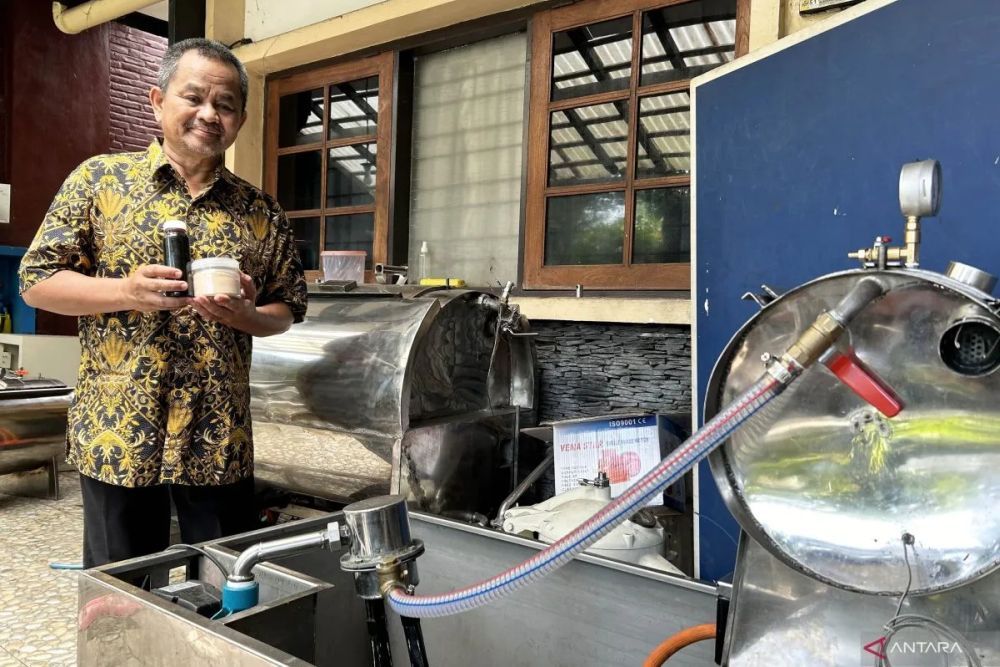
A researcher from the Faculty of Agricultural Technology of Brawijaya University, Anang Lastriyanto, with honey and powdered honey produced with the technology he developed, in Malang city, East Java, on Wednesday (April 3, 2024).
Anang Lastriyanto, a researcher from the Faculty of Agricultural Technology, Brawijaya University, produces honey and powdered honey with technology he has developed. (Image: ANTARA FOTO, 16/Apr/24)

According to Lastriyanto, his research took 3.5 years to produce powdered honey through an integrated process. “Not many people can create this technology on how to process honey into powder,” he says.

The first stage of the research, which was funded by the Indonesia Endowment Fund for Education Agency, involved developing the initial steps for the honey-processing process and producing a prototype of the tools used.

In the first year, honey was processed using pasteurization and rapid cooling or vacuum cooler methods, he informed. The development of the honey-processing process continued in the second year with the aim of increasing production to an industrial scale.

To increase production, pasteurization was used in processing, but the end product contained foam, indicating that the honey was not of good quality. “Honey becomes foamy when heated, so quality assurance and processing time are not necessarily guaranteed,” he explained.

However, Lastriyanto said, through rapid cooling after pasteurization, the problem of foam production during heating was resolved. In addition, the water content in the processed honey was reduced.

Thus, in the two years of research a number of processes were introduced, starting with pasteurization, rapid cooling, foam removal, and water content reduction. The four processes were integrated into a honey-processing technology, or “4 in 1” process.

“4 in 1 is a process of heating, cooling quickly, removing foam, and reducing water,” he said. He explained that in the third year of the technology’s development, the focus was on producing powdered honey, of which the most important process is formulation.

“In the process of (making) powdered honey, the most important thing is the formulation. We are targeting this formulation for acacia honey. Because breeders of acacia forest honey are facing hardship to market their products since prices have fallen,” he said.

The formulation process was carried out through a gradual process of research and evaluation of results. The formulation, which is currently being patented, was then continued with the heating process of the formulated honey.

Once heated, the mixture expands and then dries into lumps. The chunks are cooled, and then ground into powdered honey. “When exposed to heat, the mixture expands. The honey is protected by the (formulated) ingredients and becomes encapsulated,” he said.

Ultimately, in the course of his 3.5-year research, Lastriyanto managed to produce integrated processed honey, powdered honey, as well as a machine to process honey.

In the long term, powdered honey is expected to become a raw material for the industrial sector, both for domestic and international markets. The final product can also be used to supply needs in countries in Africa and Southeast Asia.

Brawijaya University: https://prasetya.ub.ac.id
Written: Vicki Febrianto/Yashinta Difa, Editor: A Malik Ibrahim, COPYRIGHT © ANTARA 2024


Copyright 2024 ACN Newswire. All rights reserved. http://www.acnnewswire.com

A new spin on materials analysis

TSUKUBA, Japan, Apr 17, 2024 – (ACN Newswire) – Researchers Koichiro Yaji and Shunsuke Tsuda at the National Institute for Materials Science in Japan have developed an improved type of microscope that can visualize key aspects of electron spin states in materials. The quantum mechanical property of electrons called spin is more complex than the spin of objects in our everyday world but is related to it as a measure of an electron’s angular momentum. The spin states of electrons can have a significant impact on the electronic and magnetic behavior of the materials they are part of.

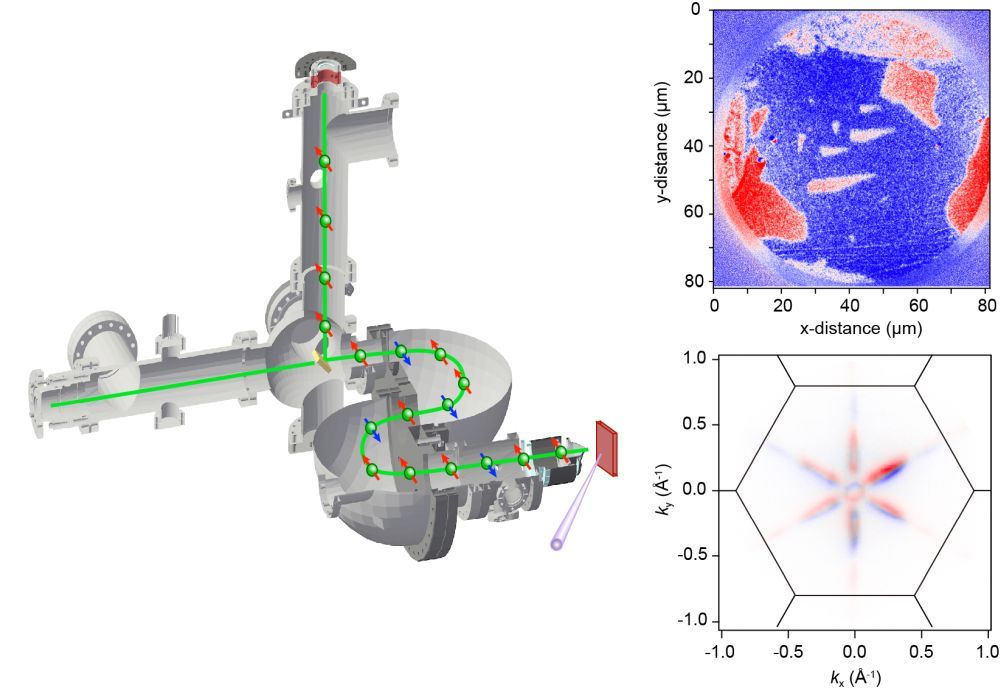
Schematic diagram of the iSPEM and the images it can obtain

The technology developed by Yaji and Tsuda is known as imaging-type spin-resolved photoemission microscopy (iSPEM). It uses the interaction of light with the electrons in a material to detect the relative alignment of the electron spins. It is particularly focused on electron spin polarization – the extent to which electron spins are collectively aligned in a specific direction.

The team’s iSPEM machine consists of three interconnected ultra-high vacuum chambers for preparing and analyzing the sample. Electrons are emitted from the sample by absorbing light energy, accelerated through the apparatus, and then analyzed by interaction with a spin filter crystal. The results are displayed as images which experts can use to glean the necessary information about the electron spin states in the sample.

“Compared to conventional machines, our iSPEM machine drastically improves the data acquisition efficiency by ten-thousand times, with a more than ten-times improvement in spatial resolution, ” says Yaji. “This offers tremendous opportunities for characterizing the electronic structure of microscopic materials and devices at previously inaccessible levels in the sub-micrometer region.”

This advance could promote improvements in using electron spin states in information processing and other electronic devices, as part of the fast-developing field know as spintronics. In spintronics applications, the spin state of electrons is utilized to store and process information, in addition to the traditional use of electric charge.

“This could lead to more energy-efficient and faster electronic devices, including quantum computers” says Yaji. Applying the subtleties of quantum mechanical behavior to computing is at the forefront of efforts to take computing powers to another level, but until now most advances have been restricted to arcane demonstrations rather than practical applications. Mastering the understanding, control and visualization of electron spin could be a significant step forward.

“We now plan to use our machine to investigate the possibilities for developing a new generation of electron spin-based devices, because it will let us look into the properties of tiny and structurally complex samples previously hidden from view,” Yaji concludes.

Further information
Name: Koichiro Yaji
National Institute for Materials Science
Email: yaji.koichiro@nims.go.jp 

Paper: https://doi.org/10.1080/27660400.2024.2328206

About Science and Technology of Advanced Materials: Methods (STAM-M)

STAM Methods is an open access sister journal of Science and Technology of Advanced Materials (STAM), and focuses on emergent methods and tools for improving and/or accelerating materials developments, such as methodology, apparatus, instrumentation, modeling, high-through put data collection, materials/process informatics, databases, and programming. https://www.tandfonline.com/STAM-M 

Dr Yasufumi Nakamichi
STAM Publishing Director
Email: NAKAMICHI.Yasufumi@nims.go.jp 

Press release distributed by Asia Research News for Science and Technology of Advanced Materials.


Copyright 2024 ACN Newswire. All rights reserved. http://www.acnnewswire.com
Kirigami hydrogels rise from cellulose film

TSUKUBA, Japan, Apr 12, 2024 – (ACN Newswire) – New options for making finely structured soft, flexible and expandable materials called hydrogels have been developed by researchers at Tokyo University of Agriculture and Technology (TUAT). Their work extends the emerging field of ‘kirigami hydrogels’, in which patterns are cut into a thin film allowing it to later swell into complex hydrogel structures. The research is published in the journal Science and Technology of Advanced Materials.

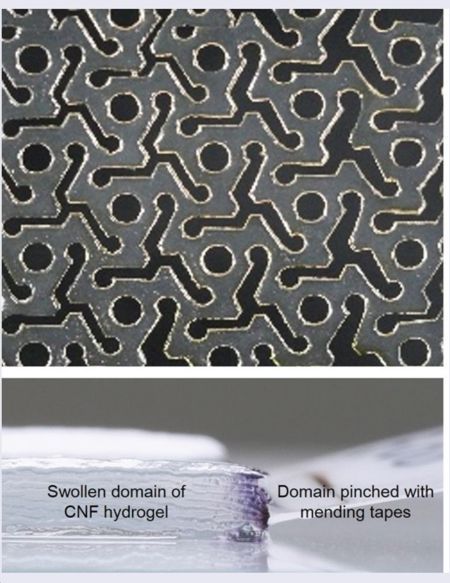
A Kirigami pattern of the hydrogel (top) and the hydrogel swollen from dry state (bottom).

Hydrogels have a network of water-attracting (hydrophilic) molecules, allowing their structure to swell substantially when exposed to water that becomes incorporated within the molecular network. Researchers Daisuke Nakagawa and Itsuo Hanasaki worked with an initially dry film composed of nanofibers of cellulose, the natural material that forms much of the structure of plant cell walls.

They used laser processing to cut structures into the film before water was added allowing the film to swell. The particular design of the Kirigami pattern works in such a way that the width increases when stretched in the longitudinal direction, which is called the auxetic property. This auxetic property emerges provided that the thickness grows sufficiently when the original thin film is wet.

“As Kirigami literally means the cut design of papers, it was originally intended for thin sheet structures. On the other hand, our two-dimensional auxetic mechanism manifests when the thickness of the sheet is sufficient, and this three dimensionality of the hydrogel structure emerges by swelling when it is used. It is convenient to store it in the dry state before use, rather than keeping the same water content level of the hydrogel.” says Hanasaki. “Furthermore, the auxeticity is maintained during the cyclic loading that causes the adaptive deformation of the hydrogel to reach another structural state. It will be important for the design of intelligent materials.”

Potential applications for the adaptive hydrogels include soft components of robotic technologies, allowing them to respond flexibly when interacting with objects they are manipulating, for example. They might also be incorporated into soft switches and sensor components. Hydrogels are also being explored for medical applications, including tissue engineering, wound dressings, drug delivery systems and materials that can adapt flexibly to movement and growth. The advance in kirigami hydrogels achieved by the TUAT team significantly extends the options for future hydrogel applications.

“Keeping the designed characteristics while showing adaptivity to the environmental condition is advantageous for the development of multifunctionality,” Hanasaki concludes.

Further information
Itsuo Hanasaki
Tokyo University of Agriculture and Technology
Email: hanasaki@cc.tuat.ac.jp

Paper: https://doi.org/10.1080/14686996.2024.2331959

About Science and Technology of Advanced Materials (STAM)

Open access journal STAM publishes outstanding research articles across all aspects of materials science, including functional and structural materials, theoretical analyses, and properties of materials. https://www.tandfonline.com/STAM 

Dr Yasufumi Nakamichi
STAM Publishing Director
Email: NAKAMICHI.Yasufumi@nims.go.jp 

Press release distributed by Asia Research News for Science and Technology of Advanced Materials.


Copyright 2024 ACN Newswire. All rights reserved. http://www.acnnewswire.com
Sensing structure without touching

TSUKUBA, Japan, Feb 27, 2024 – (ACN Newswire) – A radical new type of touch sensor for robotics and other bio-mimicking (bionic) applications is so sensitive it works even without direct contact between the sensor and the objects being detected. It senses interference in the electric field between an object and the sensor, at up to 100 millimetres from the object. The researchers at Qingdao University in China, with collaborators elsewhere in China and South Korea, describe their innovation in the journal Science and Technology of Advanced Materials.

Electronic skins have become a crucial element in bionic robots, allowing them to detect and react to external stimuli promptly. This can allow robotic systems to analyse an object’s shape, and, if required, also to pick it up and manipulate it.

The sensors in most current systems rely on direct touch causing a physical deformation of a contact layer, leading to changes in electrical capacitance. Unfortunately, the uniformity of the response to different regions limits the sensitivity and overall abilities of such systems.

“To bring greater sensitivity and versatility we have developed new composite films with surprising and very useful electrical properties,” says Xinlin Li of the Qingdao University team.

The most surprising aspect came when the researchers combined two materials with a high dielectric constant – a measure of their response to electric fields. This composite had an unexpectedly low dielectric constant, a counter-intuitive result which is ideally suited to making a sensor that is more sensitive to electric fields.

The composite consists of small amounts of graphitic carbon nitride added to polydimethylsiloxane. It can be made and processed by a specific 3D printing method, called dispensing printing, that offers fine control over the structure and pattern of the printed high-viscous ink. The team used this to make a grid that could sense objects while between 5 and 100 millimeters away from the object’s surface. They tested the grid’s capabilities by using the researchers’ fingers as the objects being detected, as they approached close to the grid but without actually making contact.

“The performance was outstanding, in terms of sensitivity, speed of response and robust stability through many cycles of use,” says Li. “This opens new possibilities in the field of wearable objects and electronic skin.” She adds that it is suitable for making the physically flexible sensors needed for wearable technologies. These could be applied for medical monitoring, or more general uses in the fast developing ‘internet of things’(IoT), involving remote control of a wide variety of appliances.

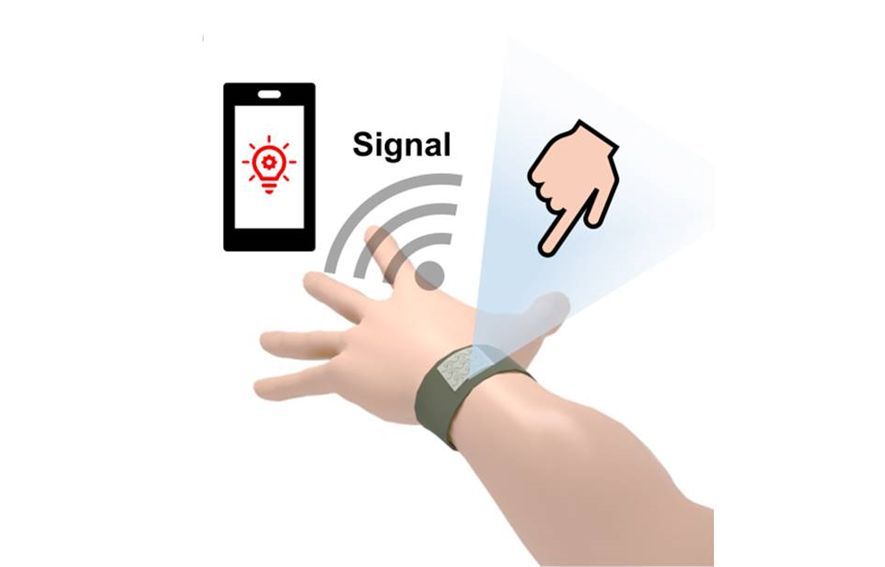
Incorporating the sensing grid into a printed circuit board allowed the data it collects to be transmitted over the 4G networks widely used by mobile phones.

The team now plan to refine the technology with a view to develop its suitability for mass production. They also want to explore further possibilities beyond merely detecting shape and movement.

For example, different units in the sensor array have the ability to respond sequentially, which provides the possibility of realizing human-computer interaction, such as gesture recognition. The performance of the sensors in the contact and non-contact system also reflects its potential in human motion detection, such as obstacle avoidance and gait monitoring, which could be applied in intelligent medical care.

Further information
Xinlin Li
Qingdao University
Email: xinlin0618@163.com

Paper: https://doi.org/10.1080/14686996.2024.2311635

About Science and Technology of Advanced Materials (STAM)

Open access journal STAM publishes outstanding research articles across all aspects of materials science, including functional and structural materials, theoretical analyses, and properties of materials. https://www.tandfonline.com/STAM 

Dr Yasufumi Nakamichi
STAM Publishing Director
Email: NAKAMICHI.Yasufumi@nims.go.jp 

Photos & Graphics

Caption: 3D finger recognition and data transmission to a mobile phone.
3D finger recognition and data transmission to a mobile phone.

Press release distributed by Asia Research News for Science and Technology of Advanced Materials.


Copyright 2024 ACN Newswire. All rights reserved. http://www.acnnewswire.com
Formerra Launches New Nordic Hub to Power Global Healthcare Innovation

ROMEOVILLE, IL, Feb 5, 2024 – (ACN Newswire) – Formerra, a leader in performance materials distribution, announces the opening of a new warehouse in Malmö, Sweden, marking a significant step in its global expansion strategy. The modern facility will support existing customers with an emphasis on serving the growing production demands of medical device and equipment production in Europe.

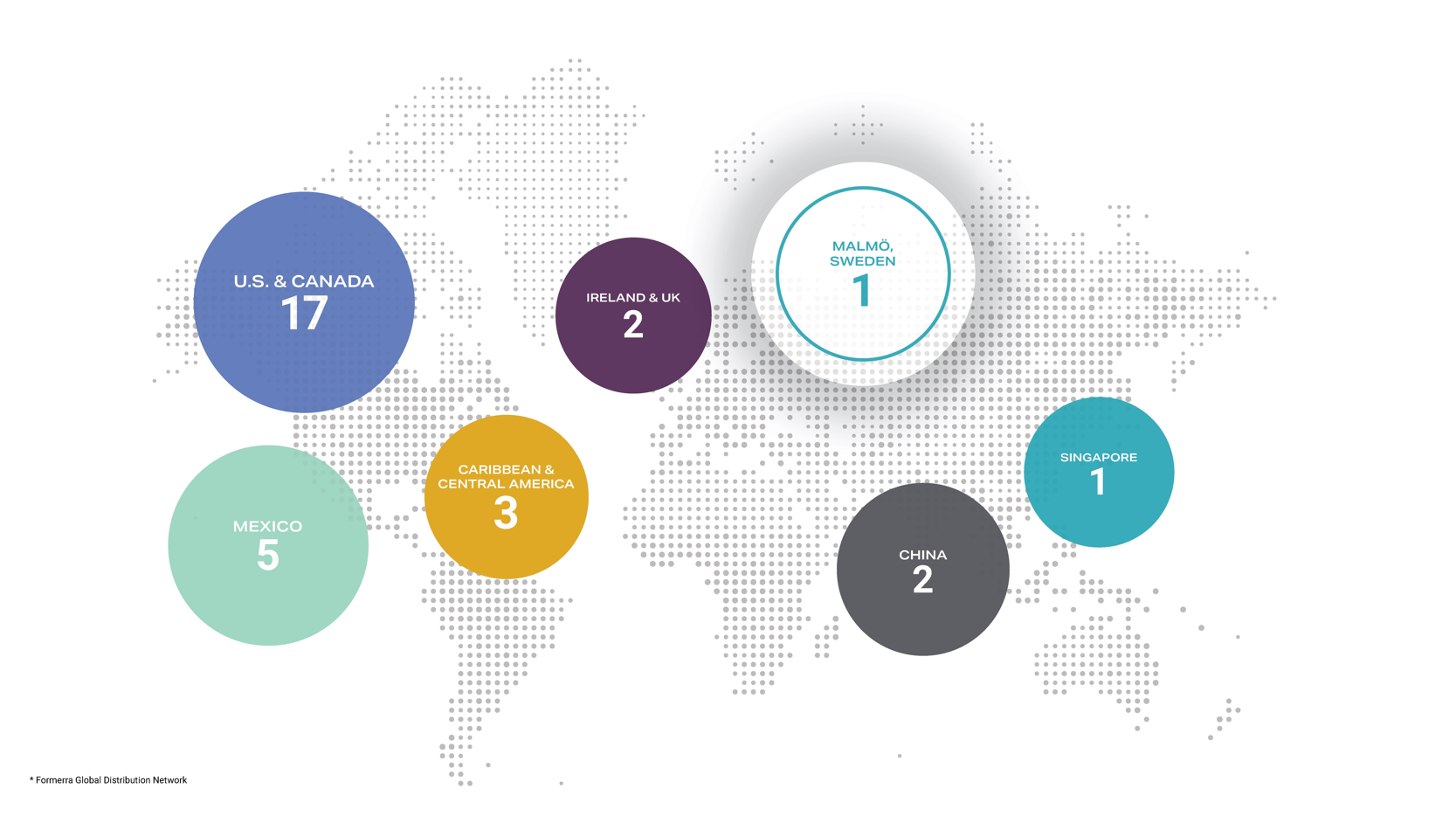
Formerra Global Distribution NetworkFormerra Global Distribution Network

Formerra’s facilities network has expanded to include a new warehouse in Malmö, Sweden that will serve medical device OEMs and suppliers in Europe and Nordic countries.

The new Nordic hub underscores Formerra’s commitment to providing tailored solutions to customers where needed in support of meeting the stringent requirements of the healthcare industry. By pairing an expansive portfolio of products from leading suppliers with its expertise in REACH certification and US-manufactured medical-grade materials, Formerra is uniquely positioned to help customers navigate the complexities of healthcare regulations, ensuring rapid compliance and market entry.

“With this new facility, Formerra is expanding geographically and, at the same time, intensifying our focus on the healthcare sector, where precision, reliability, and rapid innovation are paramount,” explains Cathy Dodd, Chief Executive Officer at Formerra. “Our Malmö warehouse provides Nordic and European customers with a gateway to advanced material solutions, designed to meet the rigorous demands of their medical applications.”

This network expansion further represents Formerra’s deep understanding of the healthcare industry’s challenges, ranging from the growing government regulations to global trade requirements. Housing a comprehensive range of materials capable of supporting these demanding requirements, the new facility positions Formerra as a vital partner in the development and production of medical devices and equipment.

The Malmö facility is strategically located to ensure efficient distribution across Europe. Likewise, the new warehouse will complement Formerra’s existing presence and warehouses in Ireland and the UK, the result of its acquisition of distributor Total Polymer Solutions (TPS) in April 2023. TPS has officially been renamed Formerra, a significant milestone in integrating this important acquisition and expanding the Formerra brand and presence into Europe.

Formerra’s vision extends beyond healthcare. The Malmö location sits amid regional hubs for growth industries such as telecommunications, electronics, powersports, and utility vehicles, industries Formerra currently serves.

Formerra will be exhibiting at MD&M West in Anaheim, California this week in Booth 610.

About Formerra

Formerra is a preeminent distributor of engineered materials, connecting the world’s leading polymer producers with thousands of OEMs and brand owners across healthcare, consumer, industrial, and mobility markets. Powered by technical and commercial expertise, it brings a distinctive combination of portfolio depth, supply chain strength, industry knowledge, service, leading e-commerce capabilities, and ingenuity. The experienced Formerra team helps customers across multiple industries to design, select, process, and develop products in new and better ways – driving improved performance, productivity, reliability, and sustainability. To learn more, visit www.formerra.com.

Contact Information
Jackie Morris
Marketing Communications Manager, Formerra
jackie.morris@formerra.com
+1 630-972-3144

SOURCE: Formerra

.

View the original press release on newswire.com.


Copyright 2024 ACN Newswire. All rights reserved. http://www.acnnewswire.com

Nutrigene Launches Personalised Development Program to Intersect Genetics and Learning through DNA

KUALA LUMPUR, Jan 8, 2024 – (ACN Newswire) – Nutrigene Modern Sciences Sdn. Bhd. (“Nutrigene” or the “Company”), a pioneer in the field of science-driven approach for child development, proudly announces the nationwide launch of Personalised Development Program (PDP). Representing a paradigm shift in parenting and education, this initiative harnesses the power of DNA to harmonize nature and nurture, fostering the holistic development of children.

L-R: Joyce Chan, MD of Nutrigene Modern Sciences; Dato Dr, Gavin Voon; Dato Sri Chuah Poh Khiang; Benjamin Yuen, TVB artist; ⁠Dr Choo Wenxi, Founder & CEO of Nutrigene Modern Sciences; Shaun Tam, TVB artist; ⁠Dato Sri Tommy Lee; ⁠Tyler Teh, Director of Nutrigene Singapore; and ⁠Carven Chan, Director of Educational Program
TVB artists sharing experiences on their children’s DNA report with Dr Choo Wenxi, Founder & CEO of Nutrigene Modern Sciences

Dr. Choo Wenxi, Founder & CEO of Nutrigene, emphasises the transformative nature of the program, “We’re committed to transforming the concept of parenting through the power of DNA. PDP is more than an educational program, it’s a comprehensive approach to nurturing children’s psychological well-being alongside their academic growth. Our goal is to assist families in understanding and supporting their child’s unique needs holistically, thereby shaping their futures.”

PDP is designed to catalyse a shift in educational paradigms, focusing on the psychological as well as the academic development of children. The program is designed to nurture diverse developmental domains, encompassing language, numeracy, world discovery, motor skills, arts and music. Aligned with forward-thinking families, educators, and childcare professionals, Nutrigene envisions a more informed and comprehensive approach to child development, fostering collaborative ventures to empower educators and parenting coaches to excel in their fields.

Dr. Choo added, “Our hallmark RIASEC (Realistic, Investigative, Artistic, Social, Enterprising And Conventional) Career Talent DNA Test has been innovatively applied to early childhood development. This framework enables parents to comprehend their child’s inherent strengths and inclinations from a young age, facilitating more informed and supportive parenting.

Nutrigene is proud to offer both RIASEC Career Talent DNA Test and PDP as a holistic solution for parents. We aspire to assist 10,000 families to recognize that every child deserves to develop physically, mentally and academically in their unique way by 2025. We are open to collaborations with individuals and organisations who share our vision of unlocking the full potential of every child through innovative and personalised education.”

In tandem with the launch of the PDP, Nutrigene announces the inauguration of its maiden branch in Kuching, Sarawak. Beyond business expansion, this move underscores Nutrigene’s commitment to democratizing their innovative educational approach, ensuring every child receives an education tailored to their unique needs, shaping a brighter and fulfilling future.

With the introduction of the PDP and the opening of a new branch in Sarawak, Nutrigene is poised to redefine the standards of personalized education, showcasing unwavering dedication to nurturing and empowering the next generation to thrive in an ever-changing world.

Dr. Choo said, “Ensuring qualified and compassionate educators at our center is crucial. Nutrigene values each educator, acknowledging their pivotal role in shaping young minds, and is committed to enhancing their professional journey, offering career advancement opportunities and personal growth. We aim to create a nurturing environment where educators feel respected, supported and empowered to deliver their best.”


Copyright 2024 ACN Newswire. All rights reserved. http://www.acnnewswire.com
Nano-sized probes reveal how cellular structure responds to pressure

TSUKUBA, Japan, Nov 21, 2023 – (ACN Newswire) – By giving living cells a ‘nano-poke’ and monitoring the resulting changes in the intra-cellular environment, researchers have gotten their first glimpse of how whole cells respond to external mechanical pressure.

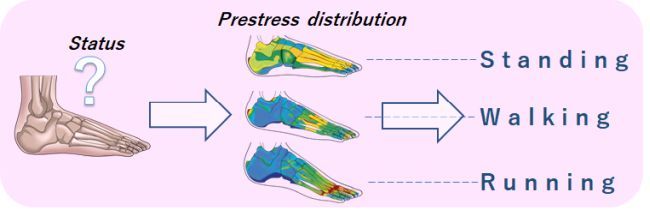
How foot stress (prestress) distribution varies with foot function.

A team lead by scientists from the National Institute for Materials Science in Tsukuba, Japan, used a technique called atomic force microscopy to apply force across the surface of various cells. The method uses nanoscale probes, with tips just a few billionths of a metre in size, to measure and map how force gets distributed across the cellular surface and throughout the cell. The researchers used machine learning to analyse and model the forces they measured. They also used fixing and staining techniques to study how the force distortion affected the cell’s internal structures and the microtubules and actin filaments that make up its ‘skeleton’.

“Cells are smart materials that can adapt to various chemical and mechanical stimuli from their surroundings,” says Jun Nakanishi, one of the corresponding authors of the study and the leader of the Mechanobiology Group at the National Institute for Materials Science. That ability to adapt relies on rapid feedback mechanisms to keep the cell intact and healthy, and there’s growing evidence that the failure of this cellular response underlies a range of ailments, including diabetes, Parkinson’s disease, heart attacks, and cancer.

So far, studies of these cellular responses have been limited by the techniques used – for example, some methods require that cells be pre-fitted with sensors, so they can only measure a small part of the response. “We invented a unique way to ‘touch’ a cell with nanoscale ‘hand’, so that the force distribution over a complete cell could be mapped with nanometer resolution,” says Hongxin Wang, who is the first author of the study and JSPS postdoc in the Mechanobiology Group.

The study revealed that tensional and compressional forces are distributed across actin fibres and microtubules within the cell to keep its shape, similar to how the poles and ropes of a camping tent work. When the researchers disabled the force-bearing function of actin fibres, they found that the nucleus itself is also involved in counterbalancing external forces, highlighting the role of the internal structure of the nucleus in the cellular stress response.

The research team also compared the responses of healthy and cancerous cells. Cancer cells proved more resilient to external compression than the healthy cells, and they were less likely to activate cell death in response.

The findings not only illuminate the complex intracellular mechanics of the stress response, but the discovery of different responses in cancer cells could offer a new way to distinguish healthy and cancerous cells – a diagnostic tool based on cellular mechanics.

Hospitals currently use the size, shape, and structure of a cell in diagnosing cancer. However, these features don’t always provide enough information to tell the difference between healthy and diseased cells. “Our findings provide another way of checking cell conditions by measuring force distribution, which could dramatically improve diagnostic accuracy,” says Han Zhang, another corresponding author of the study and the senior researcher of the Electron Microscopy Group, NIMS.

The study was published in the journal Science and Technology of Advanced Materials.

Further information:

Jun Nakanishi
Email: NAKANISHI.Jun@nims.go.jp 
National Institute for Materials Science (NIMS)

Han Zhang
Email: ZHANG.Han@nims.go.jp 
National Institute for Materials Science (NIMS)

Hongxin Wang
Email: WANG.Hongxin@nims.go.jp 
National Institute for Materials Science (NIMS)

Paper: https://doi.org/10.1080/14686996.2023.2265434 

About Science and Technology of Advanced Materials (STAM)

Open access journal STAM publishes outstanding research articles across all aspects of materials science, including functional and structural materials, theoretical analyses, and properties of materials. https://www.tandfonline.com/STAM

Dr Yasufumi Nakamichi
STAM Publishing Director
Email: NAKAMICHI.Yasufumi@nims.go.jp 

Press release distributed by Asia Research News for Science and Technology of Advanced Materials.


Copyright 2023 ACN Newswire. All rights reserved. http://www.acnnewswire.com

Machine learning techniques improve X-ray materials analysis

TSUKUBA, Japan, Nov 17, 2023 – (ACN Newswire) – Researchers of RIKEN at Japan’s state-of-the-art synchrotron radiation facility, SPring-8, and their collaborators, have developed a faster and simpler way to carry out segmentation analysis, a vital process in materials science. The new method was published in the journal Science and Technology of Advanced Materials: Methods.

The SPring-8 facility has a storage ring with a circumference of 1.5 km

Segmentation analysis is used to understand the fine-scale composition of a material. It identifies distinct regions (or ‘segments’) with specific compositions, structural characteristics, or properties. This helps evaluate the suitability of a material for specific functions, as well as its possible limitations. It can also be used for quality control in material fabrication and for identifying points of weakness when analyzing materials that have failed.

Segmentation analysis is very important for synchrotron radiation X-ray computed tomography (SR-CT), which is similar to conventional medical CT scanning but uses intense focused X-rays produced by electrons circulating in a storage ring at nearly the speed of light. The team have demonstrated that machine learning is capable in conducting the segmentation analysis for the refraction contrast CT, which is especially useful for visualizing the three-dimensional structure in samples with small density differences between regions of interest, such as epoxy resins.

“Until now, no general segmentation analysis method for synchrotron radiation refraction contrast CT has been reported,” says first author Satoru Hamamoto. “Researchers have generally had to do segmentation analysis by trial and error, which has made it difficult for those who are not experts.”

The team’s solution was to use machine learning methods established in biomedical fields in combination with a transfer learning technique to finely adjust to the segmentation analysis of SR-CTs. Building on the existing machine learning model greatly reduced the amount of training data needed to get results.

“We’ve demonstrated that fast and accurate segmentation analysis is possible using machine learning methods, at a reasonable computational cost, and in a way that should allow non-experts to achieve levels of accuracy similar to experts,” says Takaki Hatsui, who led the research group.

The researchers carried out a proof-of-concept analysis in which they successfully detected regions created by water within an epoxy resin. Their success suggests that the technique will be useful for analyzing a wide range of materials.

To make this analysis method available as widely and quickly as possible, the team plans to establish segmentation analysis as a service offered to external researchers by the SPring-8 data center, which has recently started its operation.

Further information
Public Relations Office, RIKEN
Tel: 050-3495-0305
Email: ex-press@riken.jp 
2-1 Hirosawa, Wako, Saitama, 351-0198, Japan
https://www.riken.jp/en/ 

Paper: https://doi.org/10.1080/27660400.2023.2270529 

About Science and Technology of Advanced Materials: Methods (STAM-M)

STAM Methods is an open access sister journal of Science and Technology of Advanced Materials (STAM), and focuses on emergent methods and tools for improving and/or accelerating materials developments, such as methodology, apparatus, instrumentation, modeling, high-through put data collection, materials/process informatics, databases, and programming. https://www.tandfonline.com/STAM-M 

Dr Yasufumi Nakamichi
STAM Publishing Director
Email: NAKAMICHI.Yasufumi@nims.go.jp

Press release distributed by Asia Research News for Science and Technology of Advanced Materials.


Copyright 2023 ACN Newswire. All rights reserved. http://www.acnnewswire.com

A bio-inspired twist on robotic handling

TSUKUBA, Japan, Nov 14, 2023 – (ACN Newswire) – The subtle adhesive forces that allow geckos to seemingly defy gravity, cling to walls and walk across ceilings have inspired a team of researchers in South Korea to build a robotic device that can pick up and release delicate materials without damage. The team, based at Kyungpook National University and Dong-A University, has published their research work in Science and Technology of Advanced Materials, an international science journal. The researchers are hoping it can be applied to the transfer of objects by robotic systems.

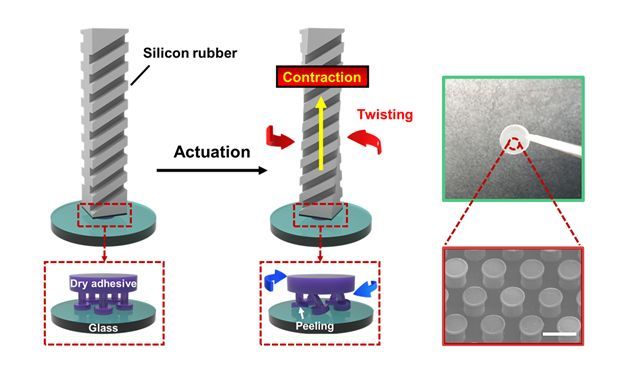
The structure and operation of the soft robotic device with dry adhesive.

The dry but sticky secret of a gecko’s foot lies in its coating of tiny hairs- made of protein- called micro setae. These hairs are around 100 micrometers long and 5 micrometers in diameter. Each hair divides into a number of branches that end in flat triangular pads called spatulae. The spatulae are so small that their molecules interact with those of the surface the gecko is climbing. This creates weak forces of attraction between these molecules, known as van der Waals force. This force is strong enough to hold the gecko in place.

The gecko’s innate adhesive ability has drawn the attention of many researchers and has inspired the use of its adhesion mechanism in robotics. An artificial, mushroom-shaped dry adhesive, that mimics this mechanism, has been used to robotically pick up materials. However, the force needed to detach the adhesive from the material’s surface can lead to its damage, especially if the material is fragile, such as glass. “There have been problems in getting the adhesive to detach easily,” explained Seung Hoon Yoo, first author of the research article. “In order to exploit these adhesive powers in robotic systems, it is imperative that the robot can not only pick up an object, but also readily detach from it to leave the object in its desired location”.

In their study, the team resolved this detachment problem by using a vacuum-powered device, made of soft silicon rubber. In order to detach the dry adhesive without damaging the fragile object being moved, a new detachment method was introduced. This method involves a twisting and lifting motion that pulls the dry adhesive off of the glass surface without causing any damage to it. The researchers found that the addition of this twisting motion caused a ten-fold reduction in the force required for detachment, which could be vital when handling delicate materials.

On conducting tests in which their transfer system was attached to a robotic arm, the researchers demonstrated that it could pick up a delicate glass disc from a sloping surface, move it to a different location and gently set it down without causing any damage to it.

“We expect our research will garner significant interest from the industry, since many companies are very interested in using dry adhesives for temporary attachment and movement of components, especially in robotic applications,” said Sung Ho Lee, one of the study’s authors. He added that his team hopes to serve as a bridge between research and industry by applying it to real industrial applications and developing more advanced models.

About Science and Technology of Advanced Materials (STAM)

Open access journal STAM publishes outstanding research articles across all aspects of materials science, including functional and structural materials, theoretical analyses, and properties of materials. https://www.tandfonline.com/STAM

Press release distributed by Asia Research News for Science and Technology of Advanced Materials.


Copyright 2023 ACN Newswire. All rights reserved. http://www.acnnewswire.com

JE Cleantech Holdings Limited Regains Compliance with Nasdaq Minimum Bid Price Requirement

SINGAPORE, Nov 1, 2023 – (ACN Newswire) – JE Cleantech Holdings Limited (NASDAQ: JCSE) (“JE Cleantech” or the “Company”), a Singapore-headquartered cleantech company, announced today that it has received formal notice from The Nasdaq Stock Market LLC (“Nasdaq”) that the Company has regained compliance with the minimum bid price requirement under the Nasdaq Listing Rule 5550 (a)(2) for continued listing on The Nasdaq Capital market. The Nasdaq Listing Rule 5550(a)(2) requires listed securities to maintain a minimum closing bid price of $1.00 per share for at least 10 consecutive business days.

To regain compliance, the Company initiated a 1-for-3 Share Consolidation so that each outstanding ordinary share became 1 share (“Reverse Stock Split”),  and the total number of authorized Ordinary Shares was reduced from 15,020,000 to 5,006,666 and the par value per share increased from $0.001 to S$0.003.

Following the Reverse Stock Split, the daily closing bid price of the Company’s ordinary shares remained above $1.00 per share for ten consecutive business days from October 16, 2023 to October 27, 2023. Consequently, the Company is now in compliance with all applicable Nasdaq listing standards and the prior bid price deficiency matter is now closed.

About JE Cleantech Holdings Limited

JE Cleantech Holdings Limited is based in Singapore and is principally engaged in (i) the sale of cleaning systems and other equipment; and (ii) the provision of centralized dishwashing and ancillary services. Through its subsidiary, JCS-Echigo Pte Ltd, the Company designs, develops, manufactures, and sells cleaning systems for various industrial end-use applications, primarily to customers in Singapore and Malaysia. Its cleaning systems are mainly designed for precision cleaning, with features such as particle filtration, ultrasonic or megasonic rinses with a wide range of frequencies, high-pressure drying technology, high flow rate spray, and deionized water rinses, which are designed for effective removal of contaminants and to minimize particle generation and entrapment. The Company also has provided centralized dishwashing services through its subsidiary, Hygieia Warewashing Pte Ltd, since 2013 and general cleaning services since 2015, both mainly for food and beverage establishments in Singapore. For more information about JE Cleantech, please visit our website: www.jecleantech.sg.

Disclaimer: Forward looking statements

This press release contains forward-looking statements within the meaning of the Private Securities Litigation Reform Act of 1995, including statements regarding the future effective date and intended effects of the reverse stock split, including whether the reverse stock split will increase the price, marketability, liquidity, and investor appeal of the Company’s Ordinary Shares and the Company’s ability to maintain the listing of its Ordinary Shares on Nasdaq. Generally, statements that are not historical facts, including statements concerning possible or assumed future actions, business strategies, events, or results of operations, are forward-looking statements. These statements may be preceded by, followed by, or include the words “believes,” “estimates,” “expects,” “projects,” “forecasts,” “may,” “will,” “aim,” “should,” “seeks,” “plans,” “scheduled,” “anticipates,” “intends” or “continue” or similar expressions.

Forward-looking statements involve risks and uncertainties that may cause actual events, results, or performance to differ materially from those indicated by such statements. These forward-looking statements are based on JCSE’s management’s current expectations and beliefs, as well as assumptions concerning future events. However, there can be no assurance that the events, results, or trends identified in these forward-looking statements will occur or be achieved. Forward-looking statements speak only as of the date they are made, and JCSE is not under any obligation and expressly disclaims any obligation to update, alter, or otherwise revise any forward-looking statement, whether as a result of new information, future events, or otherwise, except as required by law.

Readers should carefully review the statements set forth in the reports which JCSE has filed or will file from time to time with the Securities and Exchange Commission (the “SEC”).The documents filed by JCSE with the SEC may be obtained free of charge at the SEC’s website at www.sec.gov.

Contact:
Jason Long
Email: enquiry@jecleantech.sg
Tel: +65 63684198
Other number: +65 66029468


Copyright 2023 ACN Newswire. All rights reserved. http://www.acnnewswire.com