

World Malaria Day 2022, Vestergaard CEO: Advance Equity. Build Resilience. End Malaria.

LAUSANNE, Switzerland, Apr 25, 2022 – (ACN Newswire) – World Malaria Day provides us with a moment to reflect on the scale of the challenge we still face – and recognise what needs to happen to fix it.
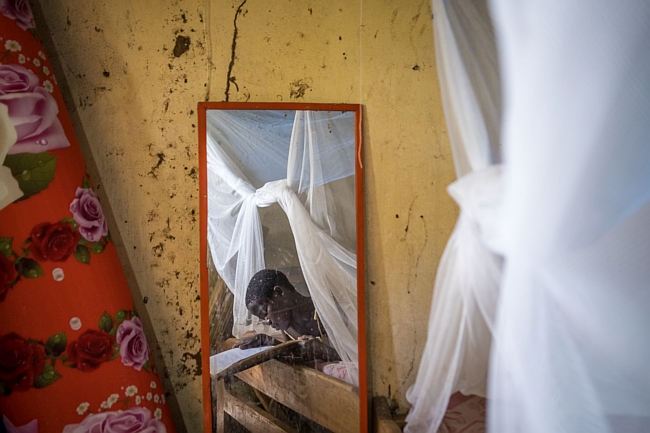

When a community is equipped with effective insecticidal bed nets, it not only protects the individual family, but it also reduces the vector population in that community. [Vestergaard]


Make no mistake, great strides have been made. El Salvador and China were certified malaria free in 2021. However, most countries with a high burden of the disease have suffered setback and are losing ground.

How can we be satisfied, when 627,000 people died in 2021, from what is a curable disease? More than two thirds of those deaths were among children under the age of 5 living in the African Region.

This human tragedy, devastating millions of families, is impossible to comprehend. But the socio-economic impact however is calculable, and it is immense.

The global response to the COVID crisis proved that when the global economy is threatened, we can summon the power to overcome a disease which emerged almost overnight. So, why can't we solve, rather than manage, a curable disease that we have lived with for far too long?

Simply, it requires us to strain every sinew in our collective global health-body, to move in the same direction, at scale.

So, what is stopping us?

We have tackled the low hanging fruit. The strategy and tactics we employed to get us this far will not serve to meet the WHO goal to reduce, by 90%, the global malaria incidence and mortality rates by 2030.

The WHO has clearly stated that it will require new approaches and greatly intensified efforts, aided by new tools and the better implementation of existing ones. Stepped-up investment is also essential.

So how is that going to happen?

The WHO, working with its partners, has done a fantastic job, figuring out how to marshal billions of dollars in unified ways, to a deliver an agreed strategy. It has developed one regulatory framework across a multitude of countries and eliminated masses of bureaucracy. Even though incident rates may not have reduced, death rates have reduced a lot. That means patients are being diagnosed quicker, treated quicker and treated successfully.

It doesn't change the reality, though. The disease remains resilient and concentrated in a specific group of countries. We face many headwinds – climate change, vector resistance to the early class of insecticides, to name two. We need innovation to get ahead of these trends.

And despite the introduction of new interventions such as vaccines and seasonal malaria chemoprevention, mosquito nets will remain a core intervention to save lives until elimination.

Three hundred million people sleep under Vestergaard bed nets every night. What motivates us, is we can see direct relationship between our product and saving lives.

The bed net, probably, is the most cost-effective public health device that ever existed.

When a community is equipped with effective insecticidal bed nets, it not only protects the individual family, but it also acts to decimate the vector population in that community.

The goal of achieving universal coverage, however, has limits, because of the need to adapt the mix of tools deployed for maximum impact in diverse settings. It is a funding challenge – how do we achieve universal coverage while introducing more effective and therefore costly mosquito nets, while at the same time expanding the number of nets to keep pace with population growth?

It is also a logistical challenge: are mass campaign distributions, every 2-3 years, the best method to ensure equitable access for the populations that need it most?

We now need all actors to work together to establish something that has so far eluded us – strategic supply collaboration; a partnership approach to planning, procurement and distribution of mosquito nets.

There is a good reason why every industry, from automotive, to pharma, has moved in this direction. It drives long term investment, accelerates innovation, delivers efficiency – and indeed, can deliver lower unit costs.

A singular focus on price reduction, does not incentivize capital investment and innovation. Conversely, long-term, strategic relationships build resilience of the supply chain, another lesson we learned from COVID.

The reality is, we cannot perform to our full potential in the current environment. Timescales (1-3 years of contract) are too short.

We must also recognize that the private sector in the arena is not homogenous – there are large corporations who contribute chemistry, mostly as a CSR initiative; opportunistic cost-driven suppliers – and ones like ourselves who are full innovation partners.

The leading private sector organizations are ready to invest, automate and innovate to reduce cost.

Vestergaard is uniquely positioned to deliver this innovation at scale because we have constantly challenged ourselves to go further to save lives. We began by simply dipping nets in insecticide to increase protection, through to the development of PermaNet(R) 2.0, the first long lasting insecticidal net (LLIN) to be deployed at scale in the early 2000's. However, the disease does not stand still. Fast spreading mosquito resistance to pyrethroids demanded a response. Vestergaard led the successful large-scale deployment of piperonyl butoxide long-lasting insecticidal nets (PBO LLINs), specifically designed to protect against pyrethroid-resistant mosquitoes.

We will introduce our first dual active-ingredient net, PermaNet(R) Dual in the second half of 2022. The product will help serve a growing demand for dual AI nets.

However, sustaining innovation requires a strategic partnership with the customer – in this case, the funders. Beyond the New Nets Project, they need to define a new model to accelerate innovation and establish long term engagement with innovative suppliers with the goal to bring new nets to market in way that supports equitable access.

So, what would I like to see happen before World Malaria Day 2023?

Fundamentally, that we stop managing the disease and pull together to end malaria.

Michael Joos
CEO, Vestergaard

Contact:
Ayomide Ibironke
Tel: +27 61 326 4765
Africa Communications Media Group
ayomide@africacommunicationsgroup.com

View the article in English: https://tinyurl.com/vestergaard-20220422-en
View the article in French: https://tinyurl.com/vestergaard-20220422-fr

This Op Ed is issued through EmailWire.Com (www.emailwire.com) – the global newswire service that provides Press Release distribution with guaranteed results(TM).

Copyright 2022 ACN Newswire. All rights reserved. http://www.acnnewswire.com
World Malaria Day 2022 – Vestergaard CEO: Advance Equity. Build Resilience. End Malaria.

LAUSANNE, Switzerland, Apr 25, 2022 – (ACN Newswire)World Malaria Day provides us with a moment to reflect on the scale of the challenge we still face – and recognise what needs to happen to fix it.

Make no mistake, great strides have been made. El Salvador and China were certified malaria free in 2021. However, most countries with a high burden of the disease have suffered setback and are losing ground.

How can we be satisfied, when 627,000 people died in 2021, from what is a curable disease? More than two thirds of those deaths were among children under the age of 5 living in the African Region.

This human tragedy, devastating millions of families, is impossible to comprehend. But the socio-economic impact however is calculable, and it is immense.

The global response to the COVID crisis proved that when the global economy is threatened, we can summon the power to overcome a disease which emerged almost overnight. So, why can’t we solve, rather than manage, a curable disease that we have lived with for far too long?

Simply, it requires us to strain every sinew in our collective global health-body, to move in the same direction, at scale.

So, what is stopping us?

We have tackled the low hanging fruit. The strategy and tactics we employed to get us this far will not serve to meet the WHO goal to reduce, by 90%, the global malaria incidence and mortality rates by 2030.

The WHO has clearly stated that it will require new approaches and greatly intensified efforts, aided by new tools and the better implementation of existing ones. Stepped-up investment is also essential.

So how is that going to happen?

The WHO, working with its partners, has done a fantastic job, figuring out how to marshal billions of dollars in unified ways, to a deliver an agreed strategy. It has developed one regulatory framework across a multitude of countries and eliminated masses of bureaucracy. Even though incident rates may not have reduced, death rates have reduced a lot. That means patients are being diagnosed quicker, treated quicker and treated successfully.

It doesn’t change the reality, though. The disease remains resilient and concentrated in a specific group of countries. We face many headwinds – climate change, vector resistance to the early class of insecticides, to name two. We need innovation to get ahead of these trends.

And despite the introduction of new interventions such as vaccines and seasonal malaria chemoprevention, mosquito nets will remain a core intervention to save lives until elimination.

Three hundred million people sleep under Vestergaard bed nets every night. What motivates us, is we can see direct relationship between our product and saving lives.

The bed net, probably, is the most cost-effective public health device that ever existed.

When a community is equipped with effective insecticidal bed nets, it not only protects the individual family, but it also acts to decimate the vector population in that community.

The goal of achieving universal coverage, however, has limits, because of the need to adapt the mix of tools deployed for maximum impact in diverse settings. It is a funding challenge – how do we achieve universal coverage while introducing more effective and therefore costly mosquito nets, while at the same time expanding the number of nets to keep pace with population growth?

It is also a logistical challenge: are mass campaign distributions, every 2-3 years, the best method to ensure equitable access for the populations that need it most?

We now need all actors to work together to establish something that has so far eluded us – strategic supply collaboration; a partnership approach to planning, procurement and distribution of mosquito nets.

There is a good reason why every industry, from automotive, to pharma, has moved in this direction. It drives long term investment, accelerates innovation, delivers efficiency – and indeed, can deliver lower unit costs.

A singular focus on price reduction, does not incentivize capital investment and innovation. Conversely, long-term, strategic relationships build resilience of the supply chain, another lesson we learned from COVID.

The reality is, we cannot perform to our full potential in the current environment. Timescales (1-3 years of contract) are too short.

We must also recognize that the private sector in the arena is not homogenous – there are large corporations who contribute chemistry, mostly as a CSR initiative; opportunistic cost-driven suppliers – and ones like ourselves who are full innovation partners.

The leading private sector organizations are ready to invest, automate and innovate to reduce cost.

Vestergaard is uniquely positioned to deliver this innovation at scale because we have constantly challenged ourselves to go further to save lives. We began by simply dipping nets in insecticide to increase protection, through to the development of PermaNet® 2.0, the first long lasting insecticidal net (LLIN) to be deployed at scale in the early 2000’s. However, the disease does not stand still. Fast spreading mosquito resistance to pyrethroids demanded a response. Vestergaard led the successful large-scale deployment of piperonyl butoxide long-lasting insecticidal nets (PBO LLINs), specifically designed to protect against pyrethroid-resistant mosquitoes.

We will introduce our first dual active-ingredient net, PermaNet® Dual in the second half of 2022. The product will help serve a growing demand for dual AI nets.

However, sustaining innovation requires a strategic partnership with the customer – in this case, the funders. Beyond the New Nets Project, they need to define a new model to accelerate innovation and establish long term engagement with innovative suppliers with the goal to bring new nets to market in way that supports equitable access.

So, what would I like to see happen before World Malaria Day 2023?

Fundamentally, that we stop managing the disease and pull together to end malaria.

Michael Joos
CEO, Vestergaard
www.vestergaard.com

View the article in English: https://tinyurl.com/vestergaard-20220422-en
View the article in French: https://tinyurl.com/vestergaard-20220422-fr

Contact:
Ayomide Ibironke
Tel: +27 61 326 4765
Africa Communications Media Group
ayomide@africacommunicationsgroup.com

This Op Ed is issued through EmailWire.Com (www.emailwire.com) – the global newswire service that provides Press Release distribution with guaranteed results™.


Copyright 2022 ACN Newswire. All rights reserved. http://www.acnnewswire.com

G20 urges World Bank to prepare FIF Establishment: Indrawati

Washington, Apr 21, 2022 – (ACN Newswire) – G20 members have urged the World Bank to immediately prepare for the establishment of the Financial Intermediary Fund (FIF), Finance Minister Sri Mulyani Indrawati stated. FIF should be formed immediately in the framework of pandemic preparedness and response (PPR) in the future, the minister emphasized.


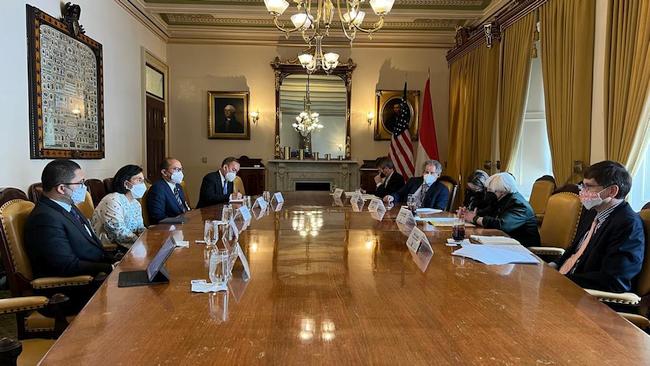
Indonesian Finance Minister Sri Mulyani Indrawati met with World Bank Group President David Malpass at the G20's second meeting of the FMCBG in Washington D.C on Wednesday (April 20, 2022). Minister Indrawati and President Malpass discussed structural reforms and other steps toward a sustainable post-pandemic recovery.


"The (G20) presidency concluded that the World Bank should start exploring the process for developing and establishing FIF," Indrawati remarked at the second meeting of the G20 Finance Ministers and Central Banks Governors (FMCBG) press conference here on Thursday.

G20 members view FIF as being the most effective choice for new financial mechanisms, especially in preparing for other potential pandemics in future. Indrawati believes this is because the establishment of FIF is viewed as being able to overcome the financing gap in the health sector as had occurred during the current COVID-19 pandemic.

"Most (G20) members agree on the need for a new financial mechanism dedicated to addressing the financing gap in PPR," she stated, explaining that G20 members hope that the establishment of FIF would mitigate the health financing needs in line with the World Health Organization's (WHO's) expectations.

Moreover, G20 members called on the World Bank to explore discussions on the governance and operational regulations of FIF by involving the WHO. "There is widespread support for WHO and the World Bank regarding the assessment of significant financing gaps that need to be addressed," Indrawati remarked.

Earlier, on April 1, the Indonesian finance and health ministries resumed the third G20 Joint Finance and Health Task Force (JFHTF). At the meeting, JFHTF co-chair Wempi Saputra invited G20 member countries to draw up a financing action plan for pandemic preparedness and response (PPR).

"The third JFHTF meeting is an important step for all member countries in drafting the financing strategies for prevention, preparedness, and response to the pandemic or PPR," Saputra stated.

Meanwhile, one of the main agendas of Indonesia's G20 Presidency is global health architecture.

Written by Astrid H, Kenzu T, Editor: Suharto (c) ANTARA 2022

Copyright 2022 ACN Newswire. All rights reserved. http://www.acnnewswire.com
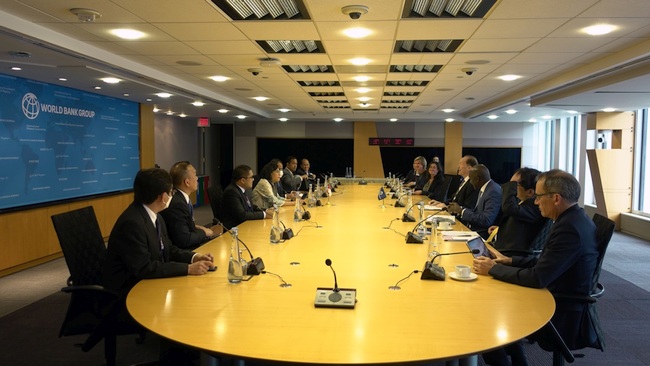
G20 hopes Indonesia’s G20 Presidency finds solution to Global Economic Impact of Russia-Ukraine conflict

Washington, Apr 21, 2022 – (ACN Newswire) – The second G20 Finance Ministers and Central Bank Governors (FMCBG) meeting expects Indonesia's G20 Presidency to bring about a solution to the Russia-Ukraine conflict, Indonesian Finance Minister Sri Mulyani Indrawati stated.


The second G20 Finance Ministers and Central Bank Governors (FMCBG) meeting expects Indonesia's G20 Presidency to bring about a solution to the Russia-Ukraine conflict, Indonesian Finance Minister Sri Mulyani Indrawati stated.


"(G20) members hope that the current geopolitical situation, particularly related to the war in Ukraine, will be handled," Indrawati noted at a press conference of the second G20 FMCBG meeting on Thursday.

The expectation is based on the fact that the global situation has worsened and changed rapidly due to the COVID-19 pandemic, coupled with the Russia-Ukraine war, she remarked.

Moreover, the Russia-Ukraine conflict has a very dynamic implication, including on the energy, food, and fertilizer price hike, she affirmed.

Indrawati said Indonesia, which currently holds the G20 presidency, will continue to conduct intensive communication and consultations with all G20 members to address the very dynamic situation.

"The G20 good governance is actually based on consultations as well as cooperation," she remarked.

Indonesia continues to hold discussions with all G20 member states to find ways to get out of the various global economic risks that result not only from the war in Ukraine but also from the pandemic, she stated.

The minister emphasized the current need for an exit strategy since several countries were under the threat of high inflation while the global energy and food price hike will increasingly create a challenging situation for policy makers.

According to Indrawati, G20 members are concerned about inflationary pressures that tend to prompt several central banks to raise the policy interest rates that will eventually lead to faster-than-expected global liquidity tightening.

Hence, the higher level policy becomes the focus to fulfill the exit strategy-related commitment that is well-calibrated, planned, and communicated to support recovery and reduce the potential impact of a spillover, she stressed.

The collective and coordinated actions are not only aimed at mitigating the impact of the Russia-Ukraine war but also at controlling the pandemic. The actions will remain high on the list of G20's priorities, she stated.

G20 members have recorded an increase in the number of COVID-19 cases in several regions that burdened growth, extended supply disruption, worsened inflationary pressure, and slowed down global recovery, she remarked.

Written by Astrid Faidlatul H, Suharto, Editor: Fardah Assegaf (c) ANTARA 2022

Copyright 2022 ACN Newswire. All rights reserved. http://www.acnnewswire.com
Myanmar Government to Accelerate Energy Projects and Amid Power Shortages; Says Sanctions End Up Hurting Foreign Investors, Local Workers and Businesses More

NAY PYI TAW, MM, Apr 21, 2022 – (ACN Newswire) – The Myanmar Government will accelerate development of hydrocarbon and renewable energy even as it repairs power lines damaged by terrorists while seeking to increase foreign investments despite the threat of fresh economic sanctions, the Ministry of Information (MOI) and Ministry of Investment and Foreign Economic Relations (MIFER) announced today.

MOI Minister Mr Maung Maung Ohn and MIFER Minister Mr Aung Naing Oo issued the joint statement in response to recent media reports about energy shortages in the country and exits of some foreign energy companies, and fresh sanctions against Myanmar announced in recent months.

Addressing Energy Shortages in Myanmar

The recent temporary shortage of power was caused by a surge of global liquefied natural gas (LNG) prices, exacerbated by the Russia-Ukraine conflict, a weaker kyat currency as well as terrorist actions linked to the People's Defensive Force (PDF). Apart from advocating a boycott of utility payments since 2021, PDF terrorists blew up power lines from the Lawpita hydroelectric plant in Kayah State. These actions contributed to outages which caused hardship to ordinary citizens and small businesses in particular.

However, despite earlier civil unrest, the country has largely achieved national stability since the second half of 2021. Myanmar Government, under the direction of the State Administration Council (SAC) that was formed on 2 February 2021, is focusing efforts on various mitigating actions regarding the country's energy situation:

i) With the relative stabilization of global energy prices, the Government is seeking to increase use of natural gas for local power generation.

ii) The Government will step up repair of power infrastructure damaged by terrorists and increase security measures.

iii) It will accelerate power generation in the country from oil and gas sources through new investments, partnerships and actions such as conversion to use of existing facilities:

– the new Shwe Gas Pipeline was completed on 18 March 2022 and will generate about 330 MW of regular power.

– Conversion of some fertilizer plants (which use gas as feedstock) for immediate generation of 30 MW of electricity and accelerating works on other gas-fired power generators or waste-heat projects. A total of about 100 MW of electricity has been generated in Kyaukphyu using 20 million cubic feet of gas currently. After pipeline maintenance, this will expand to 30 million cubic feet per day and generate 195 MW.

iv) Major energy projects with China

As its largest neighbour and economic partner, China will play an increasingly important role in energy-related developments in Myanmar.

– With regard to the China-Myanmar pipeline project involving China National Petroleum Corporation (CNPC), the gas pipeline portion was completed at the end of 2013 and the oil pipeline portion was completed in April 2017. The project, which also includes a crude oil terminal, is CNPC's largest investment in Myanmar, and a centerpiece of China's Belt and Road Initiative in the country.

– 3 Chinese companies – Union Resources and Engineering Company (41%), Yunnan Energy Investment (39%) and Zhefu Holding Group (1%) – are partnering Myanmar's -Supreme Group (19%) to develop the 1,390MW Mee Lin Gyaing Project. This facility in Ayeyarwady region involves a LNG-fired power plant, a LNG terminal, a high voltage transmission line and gas pipelines to Yangon. It has been approved by the Myanmar Investment Commission. Currently in the early stages of design and construction, it is expected to start commercial operation in 2027.

Myanmar Government is also proposing to include this high-priority energy project – with an estimated investment value of USD 2.5 billion – in the list of early harvest projects of the China-Myanmar Economic Corridor (CMEC) to enhance bilateral cooperation so as to accelerate its progress.

v) Increase investments in renewable energy

– Solar Energy: More than half of the 40-MW Letpanhla and 30-MW Nyaungbin Gyi solar projects has been completed. To achieve national renewable energy goals, 13 solar power projects which will generate 370 MW have been launched.

While three more solar power projects which will generate 390-megawatt are also planned. Special efforts are being made to promote floating solar projects, rooftop solar projects, and small and medium-sized projects wherever possible.

Tenders are also being called for 18 solar power projects that can generate 635 MW. These are in addition to ongoing negotiations for 11 solar projects which will generate 300 MW that have been invited. Negotiations are underway to sign an agreement for one of them.

– Hydroelectric Power – With more than 60 hydropower dams, hydroelectricity is a key source of energy in the country. The Government is negotiating to purchase about 120 MW of electricity from the Tapin (1) hydropower project soon. The Government will emphasise proper environmental and social impact assessments before approval. Project designs must address such impact and communicate plans and benefits to the relevant communities in order to allay future concerns.

Myanmar plans to achieve national electrification by 2030 and generate 9% of electricity from renewable sources such as hydro and solar power.

Reported Exits of Foreign Oil and Gas Companies

The Ministers said the withdrawal by France's TotalEnergies from the Yadana field and a related gas transportation project will be effective on 20 July 2022. The former's 31.24% stake has been allocated proportionately to the remaining partners in the joint venture.

After the withdrawal of TotalEnergies, Thailand's PTTEP International Limited (PTTEPI) will hold 37.0842% participating interest while Unocal Myanmar Offshore Company Limited, a subsidiary of Chevron Corporation (Chevron) of the United States, will hold 41.1016%, the highest participating interest in the project. Since the first shipment in 1996 about 70% of production from this project, or about 768 million standard cubic feet per day currently, has been sold to Thailand with the rest designated for domestic power generation.

"As this is a change of ownership, operations are not affected. The Yadana field has the largest known Myanmar offshore hydrocarbon reserves. However, production there has declined since end-2021 following 20 years of post-plateau output. Production at this field to date has reached 85% of the recoverable reserves," the Ministers said. Total Energies is not seeking compensation for the withdrawal.

The Ministers said that while Chevron had stated it would exit investments from Myanmar, the Government has to date not received any formal notification from the company.

A third foreign energy company, Woodside Petroleum Ltd of Australia, has recently withdrawn from A6 Natural Gas Project in Rakhine State. Its stake has been taken over by its project partner the MPRL E&P Group of Companies. Operations are also not affected.

Myanmar's Energy Sector Remains Attractive

Despite being one of the world's oldest oil producers (exports started in 1853), Myanmar's upstream sector is still in its infancy due to sanctions, opaque regulatory policy and insufficient investment.

"Although, proven energy reserves are still relatively modest, unofficial estimates are extremely promising. Such fields with potential which are also in proximity to large demand centres in Thailand and China have attracted the interest of several major players. Hence, the Government continues to speed up its reform and has held a number of successful international bids for such hydrocarbon fields," the Ministers said.

Response to Fresh Economic Sanctions Against Myanmar

The Ministers said that external pressure and fresh economic sanctions by several Western countries in recent months may have raised concerns among some foreign investors.

"Economic sanctions may have more negative impact on private sectors than on the Government. Domestic and foreign businessmen and their enterprises, local workers, suppliers and consumers end up suffering the most.

Some sizeable projects that had been approved have commenced construction. Due to the economic sanctions, promoters of some of these projects are now facing obstacles in transferring foreign currency. This has affected progress of the projects.

Should these projects be terminated due to sanctions their investors must repay tax exemptions they enjoyed on top of project costs incurred. Otherwise, their investments will remain in the pending state. Hence, investors may end up leaving Myanmar not because of an unfavourable investment environment but because of external pressures.

Myanmar is committed to providing a secure, accessible and conducive investment environment. We do not wish to see investment withdrawals.

Although the international community publicly discourages economic cooperation with Myanmar, we continue to attract foreign investments. Many of our foreign partners choose to work quietly with us, away from the glare of external publicity, fully recognizing Myanmar's economic potential as well as its unique challenges," the Ministers said.

Energy Sector Remains Priority For Total Investments

The Ministers also gave an update on investments in Myanmar in the last 2 fiscal years. During fiscal 2020-2021 (12 months ended October) and fiscal 2021-2022 (interim budget of 6 months ended March) a total of 82 projects in 12 sectors with investments totaling USD 4.32 billion were approved (USD 3.79 billion in fiscal 2020-2021 and USD 530.775 million fiscal 2021-2022.)

Manufacturing accounted for most projects among 12 sectors in fiscal 2020-2021. However, the Power sector received substantially higher amount of total approved investment of USD 3.12 billion for 6 projects during this period, underscoring the attractiveness of the sector.

Foreign Investments

Most of the countries investing in Myanmar are Singapore, China, Hong Kong, Thailand and South Korea. In fiscal year 2020-2021, a total of 15 projects were from China, and 14 projects were from Singapore.

In 2021-2022 FY, there are 18 projects from China and 6 were from Hong Kong.

Domestic Investments

In the last 2 fiscal years, a total of 93 domestic investment projects (61 in fiscal 2020-2021 and 32 in fiscal 2021-2022) in 12 sectors valued at 2,248.7 billion kyat (1,171.8 billion kyat in fiscal 2020-2021 and 1,076.9 billion kyat in fiscal 2021-2022, respectively) were approved.

A total of 50 projects were from the Manufacturing sector, which is the leading domestic investment category, followed by the Services sector which recorded 14 approved projects while Hotel and Tourism sector was third with 11 projects.

Issued by Ministry of Information and Ministry of Investment and Foreign Economic Relations, Union Government of Myanmar.
For more information, please contact mediacontact@e-information.gov.mm or myintkyawmoi@gmail.com

Copyright 2022 ACN Newswire. All rights reserved. http://www.acnnewswire.com

Duiba’s Surprising 1H2021 Turnaround Supporting Bank SaaS Operations

HONG KONG, Sep 8, 2021 – (ACN Newswire) – Duiba Group (Hong Kong) Ltd, the well-known platform provider of management software, and interactive advertising platform operator founded by Xiao Liang Chen in 2014 and headquartered in Hong Kong, released its interim financial report on August 27, for the First Half 2021.

According to the report, Duiba (HKG:01753) recorded total revenues of RMB720 million, representing an increase of 53.82% from a year earlier, with profit attributable to owners of RMB62.804 million, representing a significant increase from a loss of RMB47.839 million in the First Half of 2020.

Significantly, Duiba recorded revenues on Software as a Service (SaaS) user management processes of RMB68.56 million, representing a sharp increase of 142%. We could guess from the report that Duiba achieved strong First Half 2021 financial results with its existing strategies. But what of Duiba's potential future development?

Getting through tough times to turn around poor profitability

Founded in May 2014, Duiba is a SaaS user management systems provider and interactive advertising platform operator committed to providing enterprise customers with user acquisition, user activation and retention: realization covering the entire user lifetime.

With consideration to the COVID-19 situation, advances in digital technology and the influence of geopolitics have expedited the development of service companies in China, and the rapid growth of high-quality SaaS user management operators such as Duiba, and talk of an emerging SaaS unicorn:

On the one hand, for Chinese SaaS companies, the biggest pain point is the long profit-making cycle. Duiba acquired lots of customers by launching the free-of-charge SaaS user management platform in the early days, and began to offer paid services in April 2018 which led to a significant increase in its business performance.

From 2017 to 2019, Duiba recorded revenue of RMB650 million, RMB1.14 billion and RMB 1.65 billion and an adjusted net profit of RMB120 million, RMB210 million and RMB340 million, respectively, and achieved a three-year profit compound growth rate up to 69.4%.

The above data could tell that Duiba has gone through its no-profit period, and the financial data in the first half of 2021 could also tell that Duiba has come to the performance growth period. On the other hand, what many Chinese companies need from the SaaS industry are integrated solutions, instead of services for any single segment.

The user management services provided by Duiba are full-cycle management services and integrated solutions which cover user acquisition, user activation and retention, realization and other several aspects. Besides, in 2015, Duiba took the lead in conducting the interactive advertising business to reach target customers in non-first-tier cities, and achieved a win-win situation for advertisers, media providers and users through ad realization.

Support for banks with breakthrough offline strategies

The SaaS field is a big market. For SaaS service providers, whether or not they can seize market opportunities has nothing to do with their own strength, but their ability to take the best advantage when opportunity knocks. We find in a careful analysis of Duiba's source of new customers that the increase in Duiba's unit price and customer base mostly comes from offline sources, such as typical banking institutions.

For Duiba, providing SaaS services to banks is a great choice with vast potential opportunities:

First of all, banks are driven by the current trend to move their businesses online. According to a McKinsey survey, 40% of Chinese respondents expressed their preference for mobile banking, and 20% of Chinese respondents expressed their intention to use offline banking outlets less. In the context of the 5G technology and the coming era of 5G, banks will face great difficulties in acquiring new customers in the future and even lose their existing customers if they do not move their businesses online as soon as possible.

Furthermore, banks face challenges in moving their businesses online. Being accustomed to the comfortable days in the past, banks have no idea of Internet, and are too weak to confront Internet giants and fintech companies. Therefore, from the perspective of input-output ratio, banks desperately need outsiders such as SaaS service providers to help them move their businesses online.

Moreover, more and more customers prefer digital banking channels to traditional banking outlets in the context of COVID-19. According to a BCG survey, after COVID-19, the utilization rate of mobile banking is expected to further increase by 19%, and that of traditional banking outlets is expected to further decrease by 26%.

Duiba's advantages in giving professional support to banks are described as below:

On the one hand, Duiba has run online since the beginning and has unique advantages online, and therefore, it can help banks to gradually convert customers who get banking services at offline banking outlets into online customers and include them in banks' systems and to retain existing customers in face of the fierce horizontal competition.

On the other hand, Duiba focuses on user management and is familiar with "Gen Z", and therefore can help banks acquire new customers including "Gen Z".

In Duiba's experience, Gen Z is more likely to participate in discussions on online social platforms and to focus on pan-entertainment information. In terms of daily consumption habits, Gen Z prefers to share membership to watch movies, place group orders for takeaways, search "price-cutting", "coupons" and other discount information before shopping online, and the joy of "bargain hunting" in sales and shopping festivals.

Therefore, in view of Gen Z's consumption habits, Duiba has helped banks to come up with many operation modes centring on user habits, such as IP pets, interactive games and mystery boxes.

According to the feedback from Duiba's partners, with the help of Duiba, one out of four active users of bank cards can be converted on average to apply for instalment credit, with an event participation rate of 72.74% and a sharing rate of 53.8%. It can be seen that the SaaS services provided by Duiba can efficiently support banks in conducting their businesses.

In return, Duiba's professional support to banks has also laid a foundation for its steady long-term business performance. On the one hand, key customers such as banks are very resilient to risks and are less likely to lose due to insolvency, and they are financially strong and have a strong willingness to renew.

On the other hand, key customers face high replacement costs. For banks, they will not change a SaaS service provider they have selected unless in unavoidable circumstances. This is because if they change, they will not only have to pay high costs of data transfer involving several divisions and businesses but also face the risk of data loss.

Generally speaking, key customers such as banks have a positive, long-term and sustainable impact on the growth of Duiba's business performance. But in addition, Duiba has expanded its business since April 2018 to include offline companies with strong latent demand for user management solutions, a nimble strategy that led exactly to Duiba's business outperformance.

Contact:
Jing Gao, Peanutmedia
E-mail: gaojing@czgmcn.com
Website: www.Peanutmedia.com

Copyright 2021 ACN Newswire. All rights reserved. http://www.acnnewswire.com

New treatment option for schizophrenia Reagila(R) listed on PBS

MELBOURNE, Sep 6, 2021 – (ACN Newswire) – A new treatment for schizophrenia in adults, Reagila(R) (cariprazine), was listed on the Pharmaceutical Benefits Scheme (PBS) on 1 September, providing patients with an additional treatment option. Approved in the US since 2015 and EU since 2017, Reagila is approved in over 52 countries for the treatment of schizophrenia in adults.

Schizophrenia is a complex psychiatric disorder comprising a range of symptoms – positive symptoms include hallucinations and delusions, while negative symptoms include social withdrawal and apathy.

Affecting some 90,000 Australians, schizophrenia is our most stigmatised and disabling mental illness, with life expectancy nearly 15 years below the general population.

Reagila, in-licensed by Seqirus, a wholly-owned subsidiary of CSL, is an atypical antipsychotic which indirectly targets two neurotransmitters in the brain: dopamine and serotonin. Neurotransmitters are considered the brain's 'chemical pathways'.

Professor Ian Hickie, Co-Director for Health & Policy, The Brain and Mind Centre, University of Sydney and NHMRC Senior Principal Research Fellow said this listing highlights ongoing efforts to provide new treatments for schizophrenia and ensures people living with the illness have affordable access to a wider range of treatments.

"The complex nature of schizophrenia, whereby people experience a range of different problems, means treatment is not a "one size fits all". Additional options are most welcome and help to reduce the current barriers to effective treatment," said Prof Hickie.

"The annual cost to Australian society of psychosis is an estimated $6 billion. However, this figure does not account for the impacts endured by individuals, their families, and the supporting community.

"Schizophrenia is a complex and often persistent mental illness. It not only affects brain function and behaviour but is also associated with serious impacts on physical health. Consequently, it is associated with very high rates of premature death, often due to preventable illnesses such as heart disease, diabetes, infections, accidents and suicide," Prof Hickie said.

National CEO of the Mental Illness Fellowship of Australia (MIFA) Tony Stevenson welcomed the reimbursement of a new treatment option for those living with schizophrenia.

"The availability and accessibility of affordable treatment options for adults living with schizophrenia is crucial for the patient community, given the stigma they experience with the disorder, and resulting social isolation," said Mr Stevenson.

"Sadly, stigma can contribute to the impact of psychosis in schizophrenia, delays in accessing treatment, social isolation, stress, and furthermore, places those affected at higher risk for a more severe course of illness."

According to mental health advocate and policy advisor living with schizophrenia, Richard, 40, Sydney, "mental illness does not make you 'crazy'.

"Everyone needs love and hope, and this applies to those living with a mental illness too," Richard said. "Timely and affordable access to a range of treatment options plays an important role in effectively managing schizophrenia, while importantly, arming the patient community with hope.

"Love gives you a sense of self-worth – of being appreciated, having a net, and not being lonely. Hope gets you up in the morning, and helps to continue one's relationship with mental illness," said Richard.

Dr Jonathan Anderson, Seqirus Head of Medical Affairs Asia Pacific, in Melbourne, said, "The Australian Government's investment in innovative medicines like Reagila(R) is important to ensure Australians have timely and affordable access to treatments which may help to address the unmet need in schizophrenia.

"Seqirus is proud to make Reagila available in Australia for the first time, and we thank the Australian Government for their support in delivering this PBS listing – ensuring Australian adults living with schizophrenia can access this innovative medicine, and do so in an affordable way," Dr Anderson said.

"We know that additional investment in treatment options and support is critical to changing the statistics for people living with schizophrenia, their carers, family and friends"

DIGITAL MEDIA KIT
https://www.schizophreniamediakit.com.au
VNR
https://vimeo.com/592544606/d1188a8813

MEDIA CONTACTS
Joanne Cleary
Senior Manager, Communications, Seqirus
M: 0428 816 751 E: Joanne.Cleary@seqirus.com

Kirsten Bruce
Principal Senior, VIVA! Communications
Mobile: 0401 717 566 / 0421 551 257
Email: kirstenbruce@vivacommunications.com.au

Mel Kheradi
Mobile: 0421 551 257, VIVA! Communications
Email: melorin@vivacommunications.com.au

ABOUT SEQIRUS
Seqirus, a CSL company, is a leading provider of essential vaccines and pharmaceuticals. We have served Australia's healthcare needs for over a century, and today we operate Australia's only local manufacturing facility for seasonal and pandemic influenza vaccine. Seqirus produces a range of unique medicines in the National Interest, and also in-licences a broad range of paediatric and adult vaccines and specialty pharmaceutical products. http://www.seqirus.com.

ABOUT REAGILA(R)
Reagila(R) was TGA approved in November 2020 as a Schedule 4 (Prescription Only Medicine). Reagila is indicated for the treatment of schizophrenia in adult patients, and was listed on the PBS on 1 September 2021 for schizophrenia, requiring a Streamlined Authority prescription.

FURTHER INFORMATION
Reagila is not recommended for use during pregnancy, and in women of childbearing potential not using effective contraception. Breastfeeding is not recommended whilst taking Reagila. For further information, including Contraindications, Precautions, and Interactions, refer to the Product Information and Consumer Medicine Information, or your doctor or pharmacist.

Disclosure statement
No compensation was provided to Professor Ian Hickie, Mr Tony Stevenson, Mental Illness Fellowship of Australia or Richard for this media announcement, and the opinions expressed are their own. Professor Hickie has been briefed by Seqirus on the approved use of this product.

REFERENCES
1. The Pharmaceutical Benefits Scheme Medicine Status Website. CARIPRAZINE. 2021; Available from:
https://www.pbs.gov.au/medicinestatus/document/16.html.
2. Better Health Channel. Schizophrenia. [June 2021]; Available from:
https://www.betterhealth.vic.gov.au/health/ConditionsAndTreatments/schizophrenia.
3. Health Direct. Schizophrenia. 2020 [June 2021]; https://www.healthdirect.gov.au/schizophrenia.

Copyright 2021 ACN Newswire. All rights reserved. http://www.acnnewswire.com

TEC case study on the Future of Work found that an increased number of their employees wanted greater workplace flexibility

HONG KONG, Sep 2, 2021 – (ACN Newswire) – The office of the future must be an inspiring physical space that facilitates communication, cooperation and collaboration in order to encourage employees to come into the office, according to the latest case study by The Executive Centre ("TEC"), the leading premium flexible workspace.

Modern technology and globalised communication systems have allowed us to become a more agile and mobile workforce, and these trends have accelerated with the COVID-19 pandemic. The workforce culture today is increasingly championing flexible working practices as the Future of Work, leading to a shift for multinational corporates towards adopting a flexible work culture through an extensive review and analysis of their portfolio and employee needs.

The case study reviews the learnings and provides a roadmap for other organisations that realise the value of flexibility but find it challenging to create an architecture to empower change.

One of the key learnings is that for companies to successfully transition towards flexible working practices, they need to understand their business requirements and priorities first, as there is no one-size-fits-all solution. They must also interview and collaborate with their employees extensively, conduct research to make informed decisions, seek external consultations from multiple industry partners, and understand where their operations need to be geographically and how the occupants will use that space. While the company approach must be tailored, there were three factors that all companies should consider in their workplace strategy: Physical, Digital and Social.

— Physical transformation: As people will be coming into the workplace to perform activities that they cannot do at home, office design will become one that facilitates communication, cooperation and collaboration.

— Digital transformation: With an increasing demand to work flexibly and remotely, technology and digitalisation of workflows will play a pivotal role in enabling day to day productivity.

— Social transformation: As the office will become a place where employees choose to work from, greater incentives will be needed to attract people into the office.

For its Greater Bay Area location, one of TEC's clients realised it required private office spaces and meeting rooms in a CBD location which would allow for multiple business units to operate, and a flexibility to scale up or down as their business needs changed. The Executive Centre's flexible workspace solution gave them the ability to mitigate their risks and reduce costs while remaining in the heart of Guangzhou's central business district.

"As a solution, flexible workspaces provide ready to use, fully furnished and serviced workspaces for the headcount that's needed at hand. This ability to scale up or down or move locations at relatively short notice is a highly intelligent way for companies to address their workspace requirements," said Paul Salnikow, Founder & CEO of The Executive Centre.

See the full case study from the below link for more insights and best practices The Executive Centre's Future of Work collaboration.

https://business-reporter.co.uk/2021/08/23/why-the-future-of-work/.

About The Executive Centre
The Executive Centre (TEC) opened its doors in Hong Kong in 1994 and today boasts over 150+ centres in 32 cities and 14 markets. It is the third largest serviced office business in Asia with annual turnover in excess of US$237 million.

The Executive Centre caters to ambitious professionals and industry leaders looking for more than just an office space – they are looking for a place for their organisation to thrive. TEC has cultivated an environment designed for success with a global network spanning Greater China, Southeast Asia, North Asia, India, Sri Lanka, the Middle East, and Australia, with sights to go further and grow faster. Each Executive Centre offers a prestigious address with the advanced infrastructure to pre-empt, meet, and exceed the needs of its Members. Walking with Members through every milestone and achievement, The Executive Centre empowers ambitious professionals and organisations to succeed.

Privately owned and headquartered in Hong Kong, TEC provides first class Private and Shared Workspaces, Business Concierge Services, and Meeting & Conference facilities to suit any business' needs.

For more information please visit www.executivecentre.com

Press Enquiries

Finsbury Glover Hering
Sheena Shah / Crystal Chow
Sheena.Shah@fgh.com / +852 3166 9855
Crystal.Chow@fgh.com / +852 3166 9838


Copyright 2021 ACN Newswire. All rights reserved. http://www.acnnewswire.com
TEC case study on the Future of Work: Standard Chartered Bank found that around 75% of their employees wanted greater workplace flexibility

HONG KONG, Sep 2, 2021 – (ACN Newswire) – The office of the future must be an inspiring physical space that facilitates communication, cooperation and collaboration in order to encourage employees to come into the office, according to the latest case study by The Executive Centre ("TEC"), the leading premium flexible workspace and Standard Chartered Bank.

Modern technology and globalised communication systems have allowed us to become a more agile and mobile workforce, and these trends have accelerated with the COVID-19 pandemic. The workforce culture today is increasingly championing flexible working practices as the Future of Work. Standard Chartered Bank is leading the shift for multinational corporates towards adopting a flexible work culture through an extensive review and analysis of their portfolio and employee needs.

Sheridan Perkins, Property Program Director of Future Workplace, Now at Standard Chartered Bank said, "Initially, we assumed maybe 50% of our employees wanted Flex, but actually from our survey we found that over 75% wanted it. Typically, this was 2-3 days at home and 2-3 days at the office or a third space. Despite some regional nuances, this finding was reasonably consistent across all regions."

The case study reviews the learnings from Standard Chartered Bank's exercise and provides a roadmap for other organisations that realise the value of flexibility but find it challenging to create an architecture to empower change.

One of the key learnings is that for companies to successfully transition towards flexible working practices, they need to understand their business requirements and priorities first, as there is no one-size-fits-all solution. They must also interview and collaborate with their employees extensively, conduct research to make informed decisions, seek external consultations from multiple industry partners, and understand where their operations need to be geographically and how the occupants will use that space. While the company approach must be tailored, there were three factors that all companies should consider in their workplace strategy: Physical, Digital and Social.

— Physical transformation: As people will be coming into the workplace to perform activities that they cannot do at home, office design will become one that facilitates communication, cooperation and collaboration.
— Digital transformation: With an increasing demand to work flexibly and remotely, technology and digitalisation of workflows will play a pivotal role in enabling day to day productivity.
— Social transformation: As the office will become a place where employees choose to work from, greater incentives will be needed to attract people into the office.

For its Greater Bay Area location, Standard Chartered Bank realised it required private office spaces and
meeting rooms in a CBD location which would allow for multiple business units to operate, and a flexibility to scale up or down as their business needs changed. The Executive Centre's flexible workspace solution gave them the ability to mitigate their risks and reduce costs while remaining in the heart of Guangzhou's central business district.

"As a solution, flexible workspaces provide ready to use, fully furnished and serviced workspaces for the headcount that's needed at hand. This ability to scale up or down or move locations at relatively short notice is a highly intelligent way for companies to address their workspace requirements," said Paul Salnikow, Founder & CEO of The Executive Centre.

Shelley Boland, Head of Property Asia Pacific, Standard Chartered Bank added, "The talent of the future are expecting flex; whether that's flexible work hours or locations. Successful adopters of flex will be those that have the foresight to model and visualise how workplace changes may affect business outcomes, operations and employees, and be agile enough to constantly evolve their workspace to those needs. We see flexible office spaces playing a greater role in that strategy."

See the full case study from the below link for more insights and best practices from Standard Chartered Bank and The Executive Centre's Future of Work collaboration.

https://tinyurl.com/3vkbezyn

About The Executive Centre
The Executive Centre (TEC) opened its doors in Hong Kong in 1994 and today boasts over 150+ centres in 32 cities and 14 markets. It is the third largest serviced office business in Asia with annual turnover in excess of US$237 million.

The Executive Centre caters to ambitious professionals and industry leaders looking for more than just an office space – they are looking for a place for their organisation to thrive. TEC has cultivated an environment designed for success with a global network spanning Greater China, Southeast Asia, North Asia, India, Sri Lanka, the Middle East, and Australia, with sights to go further and grow faster. Each Executive Centre offers a prestigious address with the advanced infrastructure to pre-empt, meet, and exceed the needs of its Members. Walking with Members through every milestone and achievement, The Executive Centre empowers ambitious professionals and organisations to succeed.

Privately owned and headquartered in Hong Kong, TEC provides first class Private and Shared Workspaces, Business Concierge Services, and Meeting & Conference facilities to suit any business' needs.

For more information please visit www.executivecentre.com

Press Enquiries

Finsbury Glover Hering
Sheena Shah / Crystal Chow
Sheena.Shah@fgh.com / +852 3166 9855
Crystal.Chow@fgh.com / +852 3166 9838


Copyright 2021 ACN Newswire. All rights reserved. http://www.acnnewswire.com

Legend Holdings Announces 2021 Interim Results, Revenue and Net Profit Attributable to Equity Holders Recorded a Historical High

HONG KONG, Sep 2, 2021 – (ACN Newswire) – According to South China Morning Post, in the first half of 2021, the uncertainty of the COVID-19 threatened the global economic recovery, while China benefited from the good control of the epidemic situation, the economy continued to recover steadily, production and market demand continued to increase, many enterprises emerged from the impact of the epidemic and announced excellent interim results. Legend Holdings Corporation (3396.HK) is one of them that has attracted market attention. Legend Holdings announced interim results of the Company and its subsidiaries on August 31, it has made an outstanding performance with both revenue and net profit attributable to equity holders recorded a historical high level. Revenue stood at RMB 228.57 billion, representing a year-on year increase of 24%; net profit attributable to equity holders of the Company amounted to RMB 4.69 billion, representing a year-on year increase of 636%. Driven by the interim results, the share price of Legend Holdings increased 14.83% to HKD 14.4 yesterday, which fully shows that investors are optimistic about its development.

The market is also concerned about the reason why Legend Holdings has achieved high growth. Mr. Li Peng, Executive Director and CEO of Legend Holdings, pointed out the answer, "Through effective management and value-added services, Legend Holdings consolidated and strengthened its business operation fundamentals, steadily developed its pillar assets, and enhanced its competitive advantages. Meanwhile, the Company adjusted its business strategy, seized the opportunity of China's high-quality economic development, and actively promoted the layout of the technology sector to achieve good performance growth, and various business optimization initiatives are steadily progressing. In addition, the Company's funds continued to perform well with the listing of many portfolio companies and the orderly implementation of various fundraising, investment, management and exiting work."

During the first half of 2021, both strategic investments and financial investments segments demonstrated thriving performance. Net profit attributable to equity holders of the Company from strategic investments segment has out of red with approximately RMB3 billion climbs; net profit attributable to equity holders of the Company from financial investments segment soared 81% to approximately RMB2,558 million.

Legend Holdings further strengthened its industrial operation capability and gained profit in all business sectors of strategic investments. For the IT segment, the net profit attributable to equity holders of Legend Holdings generated by Lenovo increased 172% year-on-year. For the advanced manufacturing and professional service segment, its revenue was up by 46% year-on-year to RMB 3,894 million, and net profit attributable to the equity holders of Legend Holdings increased by 108% year-on-year. Agriculture and Food segment benefited from the improvement of fruit and animal protein businesses, contributing a year-on-year increase of 9% to RMB 9,778 million in revenue, and the net profit attributable to equity holders of Legend Holdings was RMB 240 million. The adverse impact of the COVID-19 pandemic on innovative consumption and services has been largely offset, with the revenue rising by 103% year-on-year to RMB 533 million and net profit attributable to equity holders of Legend Holdings of RMB 67 million. Excluding the impact of the one-off loss from share dilution of Hankou Bank, and the disposal and impairment loss of Kaola Technology, the financial services segment recorded net profit attributable to the equity holders of Legend Holdings grew by 20% year-on-year.

The interim results announcement clearly shows the good profits of the above segments, and through in-depth and specific analysis, we can find the enhancement of the competitiveness of Legend Holdings' pillar assets and optimization of asset portfolio. In line with the development trend, Legend Holdings further increased investment in the field of science and technology, adheres to the development path of science and technology leading, deepening innovation-driven, and strengthening industrial synergy to promote sustainable and high-quality development of the enterprise.

Attributable to the global digital and intelligent transformation, Lenovo achieved long-term and sustainable profit growth, with revenue up 25% year-on-year to RMB 210.78 billion, and the net profit attributable to equity holders of Legend Holdings surged by 172% to RMB 1.54 billion. The personal computer business remained No.1 globally, and the non-pc business also showed strong growth. As the consensus "carbon neutrality" accelerates, Lenovo significantly exceeded its emission reduction target in 2019/20 fiscal year and strives to achieve zero carbon emissions by 2050.

Notable highlights were RMB 548 million net profit from Levima Advanced Materials, a 131% increase on the corresponding period, and its market value also saw a significant increase. Meanwhile, it energetically plans for investment and merges and acquisitions, acquiring Levima (Shandong) Chemicals to further improve the industrial layout and enhance the sustainable profitability and stability; investing in Jiangxi Keyuan Bio-Material to cultivate new growth points in the field of biodegradable materials. Furthermore, the company's main plant economic and technological indicators were further optimized, continue to maintain a leading position in the industry.

Banque Internationale a Luxembourg (BIL) displayed significant growth amid the epidemic in Europe. In the first half of 2021, its net profit increased by 18% year-on-year to approximately EUR 47 million, and the assets under management increased to EUR 45.5 billion with CET-1 ratio 13.18%. In response to the new post-epidemic environment, BIL will progressively advance its business in China by further reinforcing the connection among Luxembourg, Switzerland, and Hong Kong SAR and Beijing, China.

Joyvio Group deepened its strategic layout and focused on the core businesses. Joy Wing Mau continued to improve the layout of the whole industrial chain of fruits and achieved rapid revenue growth by reinforcing the advantages in its supply chain and the core products strategy. As prices in the international market continue to rebound, Joyvio Food's salmon business gradually recovered.

In 2020, Legend Holdings took its first strategic stake in Fullhan Microelectronics, laying out the semiconductors track, and as of June 30, 2021, Legend Holdings, as the largest shareholder, holds an aggregate of 15.91% equity in Fullhan Microelectronics through its subsidiaries. Legend Holdings will engage with the Fullhan Microelectronics management team for deeper cooperation to jointly promote the long-term development of Fullhan Microelectronics.

In addition, Legend Holdings continued to exit non-core businesses to ensure a more focused business and accelerate cash and resources flow-back, bringing ample financial resources to future development in new sectors. In the first half of 2021, Legend Holdings determined an orderly exit strategy for Kaola Technology; some equities in investee enterprises from agriculture and food segment were sold.

In the first half of 2021, low interest rates in the market provide a good opportunity for investment, and the capital market progressed strongly. Funds under Legend Holdings demonstrated outstanding results. More than 60 projects were fully or partially exited, contributing more than RMB 2 billion of cash flow.

Legend Star managed eight funds with a size exceeding RMB 3.3 billion, investing in more than 300 domestic and overseas projects accumulatively. During the first half of 2021, Legend Star's total number of investment projects was over 20, it made follow-on investments in approximately 50 projects and exited 15 projects. As of June 30, 2021, the final closing of the 4th USD fund was completed as well as the first round closing of the biotechnology fund. Legend Capital managed a total of 28 funds, with a size of more than RMB 60 billion. As of June 30, 2021, the total amount raised by the funds was RMB 6,335 million. During the first half of 2021, Legend Capital accumulatively completed 20 new project investments, fully or partially exited 33 projects, bringing sound cash returning. As of June 30, in total, 90 of Legend Capital's portfolio companies went public (not including those listed on NEEQS). Hony Capital's businesses cover PE, real estate, public offering fund management, hedge fund, and venture capital. The AUM amounted to RMB 100 billion.

It is also important to note that Legend Holdings has an in-depth understanding of the operation of the capital market, which coincides with the opportunity of a new round of capital market mechanism reform. As of June 30, 2021, 12 portfolio companies got listed, and at least 11 are promoting the IPO.

Eastern Air Logistics was listed on the Shanghai Stock Exchange on June 9, which was the first civil aviation enterprise included in the first batch of domestic pilot enterprises under the mixed-ownership reform-making it a successful case of the "two-wheel-drive business model" of Legend Holdings. Chemclin Diagnostics Corporation, a project in the biomedical field invested by Zhengqi Holdings, was listed on April 9. Gocom Information Technology entered the capital market on June 28, becoming the first stock of industrial railway signal control and intelligent scheduling in China. In addition, Joy Wing Mau and Hankou Bank are orderly preparing IPO.

In terms of financial investment, Keymed Biosciences, invested by Legend Star, issued its IPO in Hong Kong on July 8. Ten enterprises under the management of Legend Capital went public during the first half of 2021, such as CareRay Digital Medical Technology Co., Ltd., Beijing Kawin Technology Share-Holding Co., Ltd., NexImmune, Inc., and New Horizon Health Limited and so on. Besides, Dindong Shopping, invested by Hony Capital, issued its IPO during the first half of 2021.

Legend Holdings and its three fund platforms have paid attention to and invested in the high-tech industry for a long time, accumulating considerable assets. More than 20 portfolio companies were included in the list of National "Little Giants with Specialties, Refined Products and Management, Unique Technologies, and Innovation" announced by the Ministry of Industry and Information Technology of the People's Republic of China (MIIT), such as Fullhan Microelectronics, Gocom Information Technology, QuantumCTek, Sansure Biotech, Hanshow Technology, MNCHIP, INST Magnets, Faith Long Crystal, LEADMICRO, Zonsen Biotech, CAXA, YUNJI Technology and so on. These companies will embrace a broad development space, as they feature remarkable results, high technology, and strong market competitiveness, and suit the trend of industrial upgrading in China.

These developments are exactly in line with Mr. Ning Min's prospect and expectations for Legend Holdings in the future, Ning Min, Chairman, and Executive Director of Legend Holdings, said that, "In the first half of 2021, Legend Holdings grasped the new development pattern, and seized the historical opportunities given by the new era, made steady progress and breakthroughs, and achieved good results, which also laid a more solid foundation for the long-term development of the Company. In the meantime, the Company has always attached great importance to corporate social responsibilities from a strategic perspective, adhered to the mission of 'serving the country through industrial development', and upheld the concept of 'people orientation'. It is our first priority to develop our business in the direction adhered by the state, and to continue to promote win-win development of China's real economy, entrepreneurship and innovation through our own industrial accumulation and unique business model to create better economic and social benefits; the Company will pay constant attention to the environment and energy and support its subsidiaries to play a leading role in green energy conservation and environmental protection; and will continue to insist on social welfare investment."


Copyright 2021 ACN Newswire. All rights reserved. http://www.acnnewswire.com